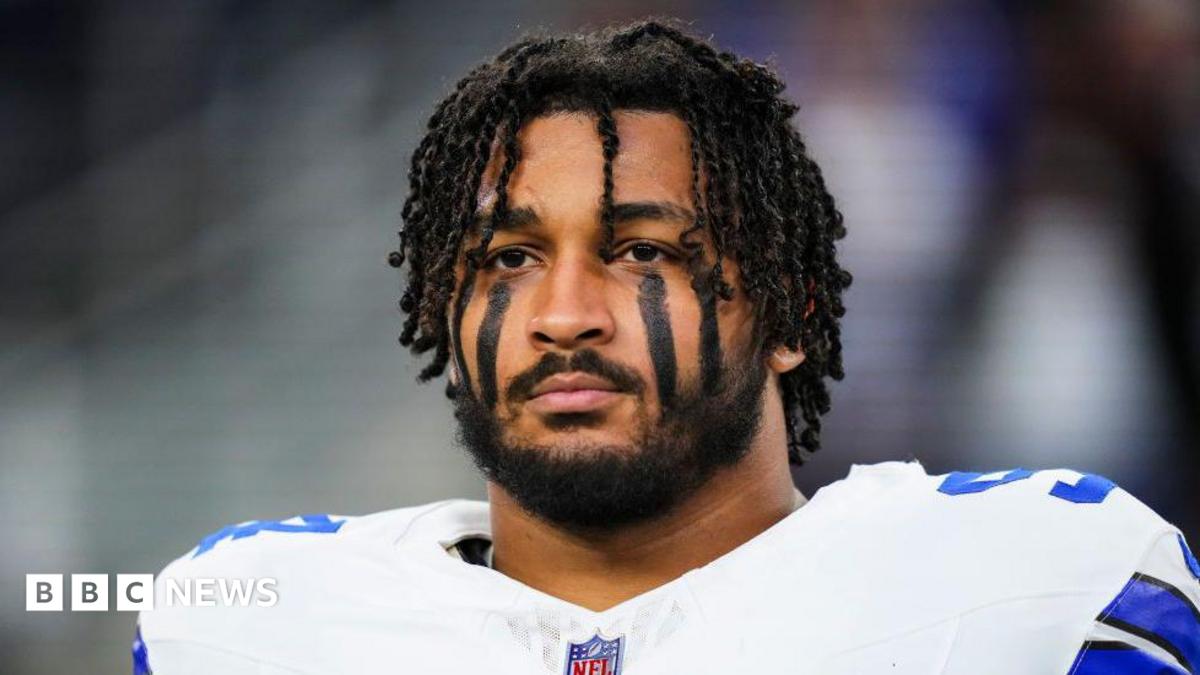
The BBC’s report on Marshawn Kneeland adds a sobering medical dimension to a tragedy that has already shaken the Dallas Cowboys and the wider football community. Scientists said the former Cowboys player was suffering from stage 1 chronic traumatic encephalopathy, or CTE, when he died by suicide last year.
For supporters, the news is difficult not only because it concerns the loss of a young player, but because it again places the long-term consequences of repeated head impacts under the spotlight. CTE is a degenerative brain disease associated with trauma, and even an early-stage diagnosis raises questions about how football continues to manage player welfare, contact exposure and post-career health monitoring.
What the finding means
Stage 1 CTE is the earliest level identified in the disease’s progression, but it is still a serious finding. In practical terms, it reinforces the growing concern that damage linked to repeated blows to the head can exist even before obvious public signs appear. The BBC report does not provide further medical detail, but the diagnosis itself is enough to deepen the conversation around brain health in American football.
That matters because the sport has spent years trying to balance its physical identity with the need for better protection. From the NFL’s concussion protocols to broader debates about tackling technique and contact limits, every new case of brain disease in a player feeds into a larger argument about whether enough is being done to reduce risk.
A painful reminder for the game
Kneeland’s death was already a devastating story for those connected to him. The new information does not change that loss, but it does help explain why his case will resonate beyond one club. For the Cowboys, it is another reminder that the human cost of the sport can extend far beyond the final whistle.
For fans, especially those who follow the NFL closely, the report is likely to prompt reflection rather than simple reaction. It underlines the importance of mental health support, medical research and honest discussion about the long-term effects of football. It also shows why player safety remains one of the most important issues in the modern game, even when the headlines are driven by results, trades and draft picks.
BBC’s reporting is brief, but the implications are not. A diagnosis of stage 1 CTE in a deceased player will inevitably renew scrutiny of how the sport protects athletes during and after their careers, and why the conversation around brain injury remains unresolved.
Source note: This article was prepared using publicly available information from BBC Sport and expanded with editorial context.
Share this content: