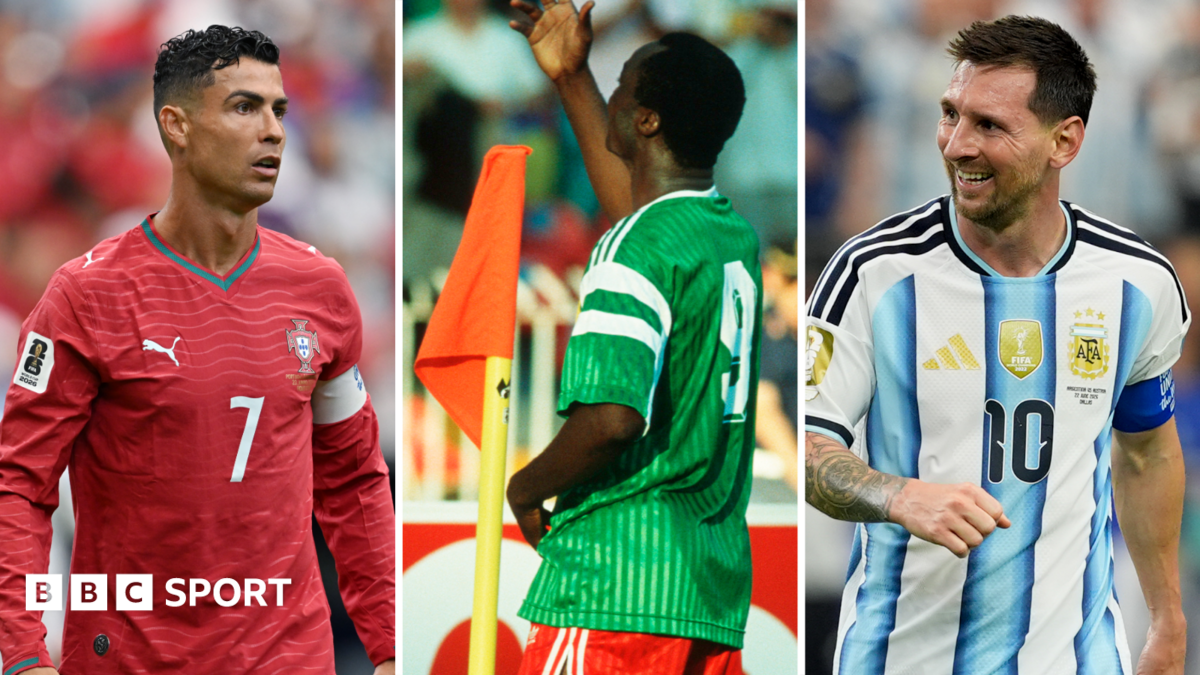
BBC Sport’s latest World Cup trivia feature underlines just how difficult it is to keep pace with football’s most durable stars. Cristiano Ronaldo has already added another line to his extraordinary international record by scoring at a sixth FIFA World Cup, while Lionel Messi continues to extend the conversation around longevity after turning 39. Yet the piece points to a separate benchmark that still sits beyond both men: a goalscoring milestone tied to age, not just achievement.
The answer highlighted by the source is Martin Palermo, whose goal for Argentina against Greece on 22 June 2010 came when he was 36 years and 227 days old. That detail matters because it places Palermo in a very select category of older World Cup scorers, a reminder that tournament history is shaped not only by teenage breakthroughs and peak-age superstars, but also by late-career moments that can linger for decades in the record books.
Why this World Cup record still matters
For supporters, these kinds of records are more than pub-quiz material. They frame how the game remembers its biggest names. Ronaldo and Messi have spent more than a decade redefining what elite longevity looks like, but World Cup scoring at an advanced age remains a different challenge altogether. The tournament’s intensity, the short preparation windows and the pressure of knockout football make every goal significant; doing it late in a career adds another layer of difficulty.
That is why Palermo’s entry remains notable. It is not simply that he scored at an older age than many forwards manage to reach at the World Cup; it is that the feat has survived multiple generations of elite attackers. Even as modern conditioning and sports science extend careers, the record has stayed intact through the eras of Ronaldo and Messi, two players who have repeatedly moved the goalposts for what is considered possible.
What it means for the modern greats
The BBC feature also reflects a broader truth about international football: records are often fragmented, with one player holding one age-related mark while another owns a different kind of milestone. Ronaldo’s sixth World Cup appearance and Messi’s continued presence on the biggest stage show how both have already stretched the limits of longevity. But Palermo’s goal is a useful reminder that the World Cup’s statistical history is full of niche achievements that resist even the most decorated careers.
For readers, the takeaway is simple. The World Cup record books are not only about the highest totals or the most trophies. They also reward persistence, timing and the ability to deliver when age might suggest the moment has passed. Palermo’s goal against Greece remains one of those enduring markers, and the fact that it still stands adds another layer to the ongoing comparison between football’s modern icons.
Source note: This article was prepared using publicly available information from BBC Sport and expanded with editorial context.
Share this content: