Rory McIlroy’s bid to contend for the Scottish Open title unravelled late, with one errant approach shot into the rough underlining how fine the margins can be at the top level. Even so, the Northern Irishman still produced a six-under-par final round at The Renaissance Club, a reminder that the scoring was there even if the decisive moments did not fall his way.
One mistake, and the momentum shifted
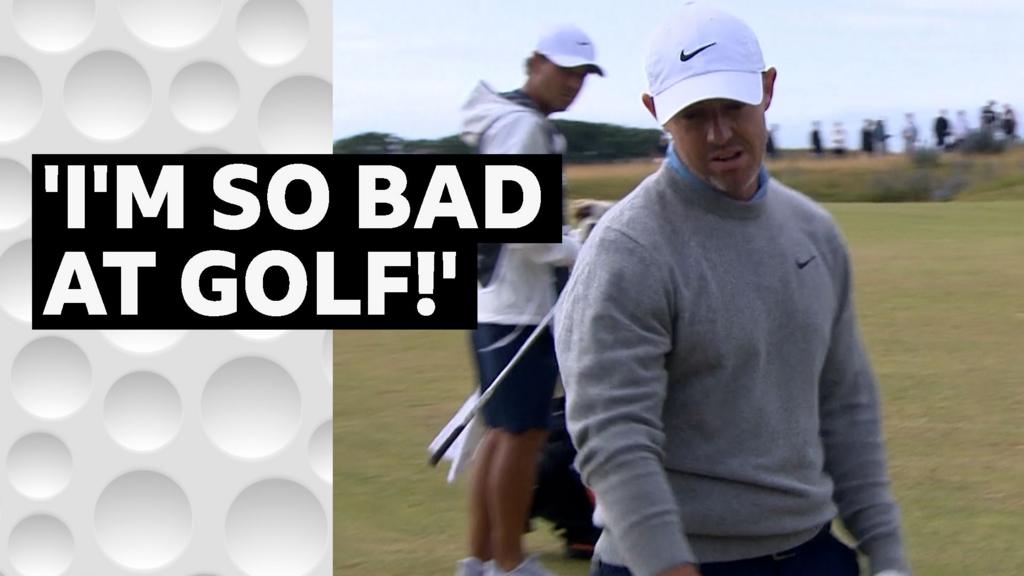
The key detail from the round was McIlroy’s approach finding the rough at a crucial stage, a shot that helped stall his challenge as the tournament moved into its closing stretch. In elite golf, especially on a course like The Renaissance Club, the difference between staying in the hunt and slipping out of contention often comes down to a single missed line or a slightly misjudged angle. McIlroy’s frustration was visible in the way he berated himself, which speaks to the standards he sets and the expectation that follows him in every big event.
For supporters, that combination of quality and self-criticism is familiar. McIlroy remains one of the sport’s most compelling figures because his rounds rarely feel routine: when he is in rhythm, he can post low numbers quickly, but when a key shot drifts, the emotional reaction is immediate and the pressure intensifies. That tension is part of what makes his tournaments so watchable, and it also explains why a strong scoring round can still feel disappointing if the title is no longer within reach.
What it means for McIlroy and the Scottish Open picture
A six-under-par final round is a positive return on paper, but in tournament golf the context matters as much as the score. McIlroy’s late surge was not enough to keep his Scottish Open challenge alive, which suggests the damage had already been done earlier in the round or in the wider shape of the tournament. For a player of his calibre, that will likely sharpen the focus on consistency rather than raw scoring ability.
The Scottish Open remains one of the most important stops on the calendar, both as a standalone event and as a test of form against a strong field. For McIlroy, it is another example of how quickly a title bid can change on a links-style setup where control, patience and precision are all demanded. The final-round birdies may soften the blow, but the missed approach and the visible self-reproach tell the fuller story: he had the scoring touch, yet not quite the control at the decisive moment.
For followers of the game, the takeaway is straightforward. McIlroy is still producing the kind of low scoring that keeps him in contention, but the Scottish Open showed again that winning at this level requires more than a hot round. It requires the right shot at the right time, and this time the rough proved costly.
Source note: This article was prepared using publicly available information from BBC Sport and expanded with editorial context.
Share this content: