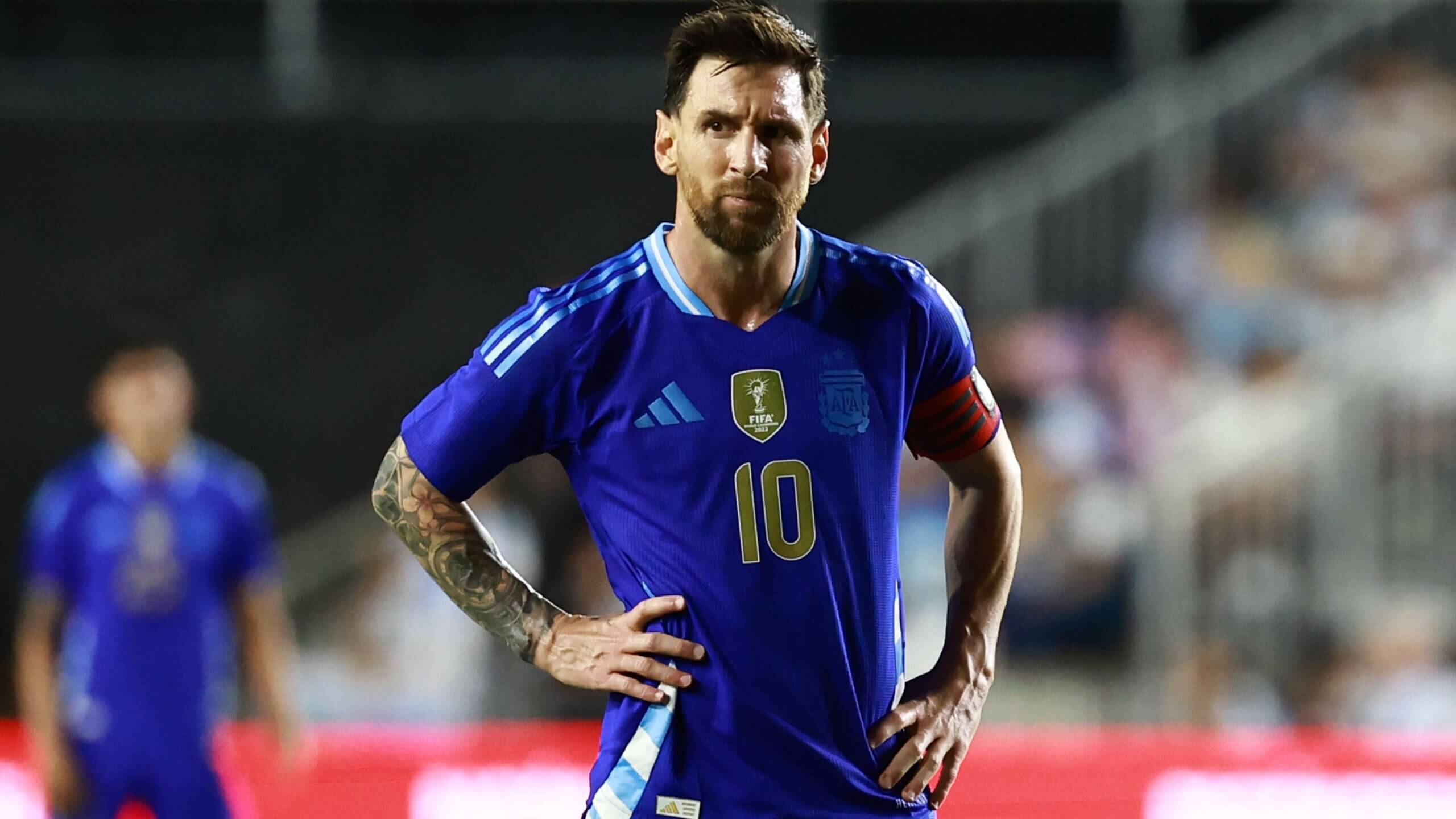
Messi lawsuit headlines have emerged as Lionel Messi and the Argentine Football Association (AFA) are being sued by a Miami-based events company for allegedly breaching a major contract. The legal dispute centers on Messi’s absence from a high-profile friendly match in Miami against Venezuela, an event that was expected to draw significant crowds due to the superstar’s participation.
Messi Lawsuit: Details of the Miami Friendly Dispute
The Messi lawsuit was filed by VID Music Group, an events organizer based in Miami, who claim that Messi’s non-appearance at the friendly match on October 10 last year constituted a violation of a $7 million agreement. According to the contract, Messi was obligated to play at least 30 minutes in two exhibition matches between Argentina and Venezuela, and then Puerto Rico. This clause, VID asserts, was a critical feature for their event promotions and ticket sales.
However, despite being present at the venue, Messi did not take the field against Venezuela, instead sitting in the stands. The following day, he played for his club Inter Miami, scoring twice in a 4-0 league win. VID Music Group argues that Messi’s absence, without timely notification from the AFA, led to substantial financial losses and a negative impact on spectators and sponsors alike.
Was Messi Required to Play for Argentina?
The Messi lawsuit’s core argument revolves around the responsibility Messi and the AFA had to fulfill their contractual promises. Yet, the context is nuanced. The friendly occurred outside Major League Soccer’s recognized international window, meaning Inter Miami was in the middle of a crucial league stretch. Messi prioritized his club’s playoff push and opted to rest during Argentina’s first friendly, only returning to the national team four days later for a dominant 6-0 victory over Puerto Rico.
This scheduling conflict presented a dilemma for Messi, who is known for his professionalism and commitment to both club and country. Still, VID claims it was only informed of Messi’s decision to skip the Venezuela match a day prior, limiting their ability to adjust marketing efforts or inform fans in advance.
Financial Ramifications and VID’s Claims
VID insists the contract with the AFA was worth a staggering $7 million, underlining the financial stakes involved in the Messi lawsuit. The organizer claims to have lost “millions” due to Messi’s absence, not just in the Venezuela game but also in reduced ticket sales for the subsequent Puerto Rico match. They allege that last-minute communication from the AFA hampered their opportunity to mitigate losses or manage fan expectations.
While VID has not specified the exact damages sought in court, their suit underscores the economic gravity high-profile football events carry, especially when featuring global icons like Lionel Messi.
Messi Lawsuit Adds Uncertainty Ahead of 2026 World Cup
The Messi lawsuit arrives at a key moment, with speculation swirling about Messi’s participation in the 2026 World Cup. Argentina manager Lionel Scaloni recently commented that Messi’s involvement will depend on his own wishes, physical condition, and mental readiness, stating, “I’ll do everything I can to make sure he’s there. For the sake of football, he has to be there. But ultimately, it’s his decision.”
This uncertainty only adds to the tension surrounding Messi’s off-field activities, and the lawsuit implicates both his personal brand and the AFA’s management of international obligations.
Broader Implications for Football Contracts
The Messi lawsuit highlights the complexities of contracts involving global football superstars and the challenges organizations face in balancing commercial interests, player fitness, and club commitments. In a world where fans, sponsors, and organizers invest millions based on the presence of a single star, the stakes for clear communication and contractual clarity have never been higher.
For stakeholders in the football industry, this case serves as a reminder of the need for transparent agreements and prompt notifications regarding player participation. As the legal proceedings unfold, the outcome could influence how future contracts are structured for international exhibition matches and the obligations of clubs and players alike.
Opinion: Transparency Is Key in Star-Powered Friendlies
While the Messi lawsuit underscores the financial risks tied to star absences, it also reveals the importance of transparent communication between organizations, players, and fans. Fans buy tickets not just for the team, but for the chance to watch global icons in action. Organizers and federations must prioritize timely and honest updates about player availability to protect both their reputations and the trust of supporters. For more news and analysis on global football developments, visit for more news.
Your global gateway to nonstop football coverage:
News Goal
Share this content: