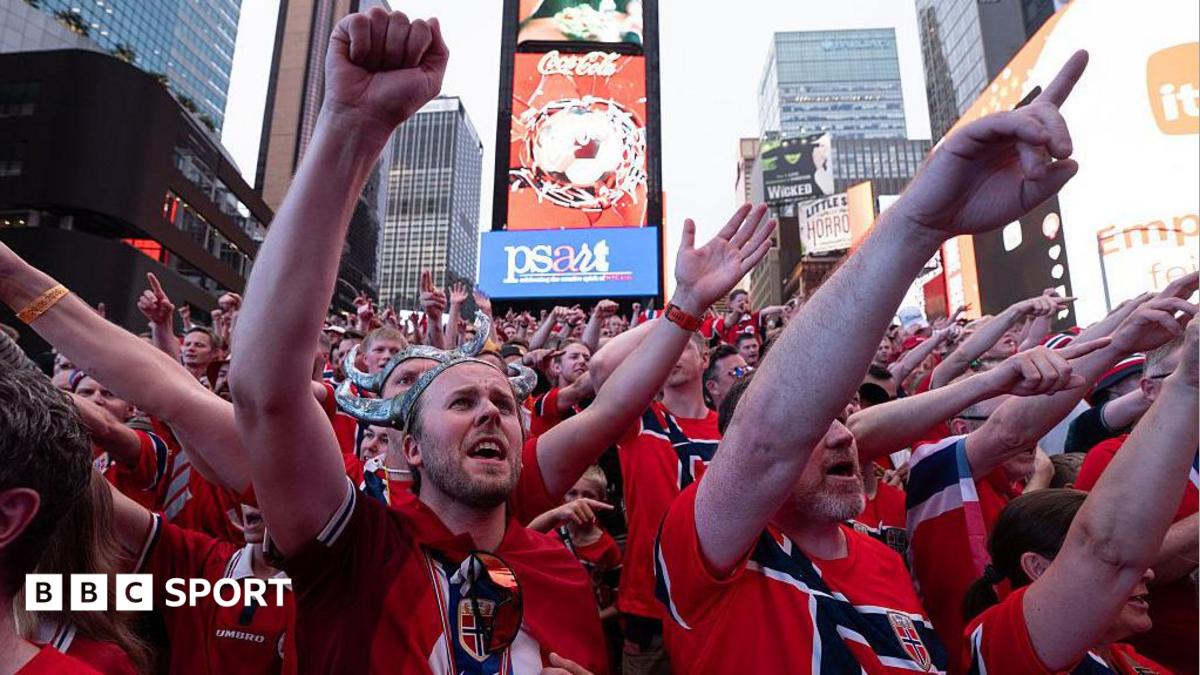
New York mayor Zohran Mamdani has entered the World Cup conversation with a clear message for organisers and the wider football industry: the tournament already brings in enough money, and supporters should not be asked to shoulder higher prices.
That stance will resonate with fans who have watched major international tournaments become increasingly expensive to attend, from match tickets to travel, accommodation and the wider costs that come with following a global event. While the BBC report does not set out a detailed policy proposal, the political signal is straightforward. Mamdani is framing the World Cup not just as a sporting spectacle, but as a commercial product whose financial gains should not come at the expense of ordinary supporters.
Why the message matters for fans
The World Cup is one of football’s biggest revenue generators, and that scale is exactly why comments like this matter. For many supporters, the issue is not whether the tournament makes money, but who benefits from it. When a public figure says the event makes “more than enough” income, it taps into a familiar frustration around elite football: the sense that the game’s biggest occasions are often priced beyond the reach of the very people who give them atmosphere and meaning.
For fans, the practical implication is obvious. Any debate over pricing, access and affordability can shape how inclusive the tournament feels, especially in host cities where demand is intense and costs rise quickly. Even without a formal change in policy, public pressure from city leaders can influence the tone of the conversation around ticketing and fan access.
What it means in the wider football debate
The BBC’s brief report places Mamdani’s comments within broader World Cup coverage, but the underlying issue is bigger than one quote. Football has spent years balancing commercial growth against supporter access, and the World Cup sits at the centre of that tension. The tournament’s global reach makes it a powerful source of income, yet it also raises questions about whether the sport is still being organised for fans or increasingly around them.
For New York, a city with a major sporting and cultural profile, the comments also underline how the World Cup is not only a football story but a civic one. Host cities are expected to deliver both spectacle and accessibility, and any discussion about prices quickly becomes a discussion about who gets to be part of the event.
For supporters, the takeaway is simple: the conversation around the World Cup is not only about football on the pitch. It is also about whether the game’s biggest stage remains open to the people who follow it most closely.
Source note: This article was prepared using publicly available information from BBC Sport and expanded with editorial context.
Share this content: