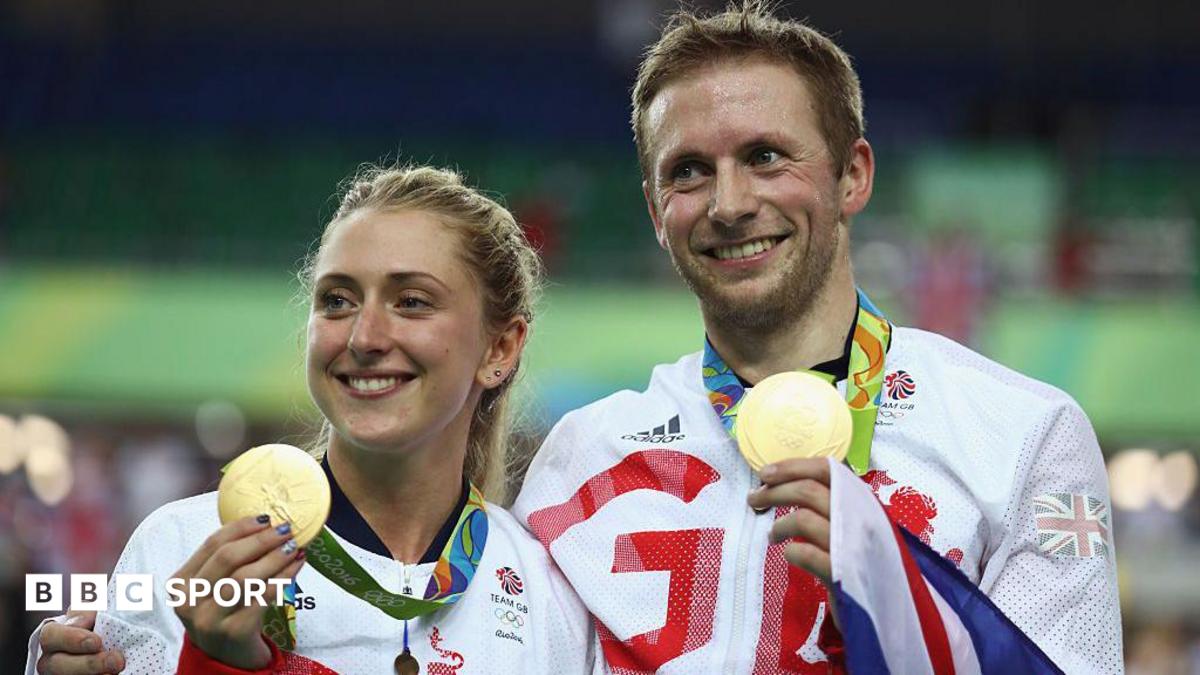
A fresh debate has opened around Britain’s long-term Olympic hosting ambitions after a group of current and former British Olympians and Paralympians publicly backed a proposed bid from the north of England. Their support gives the idea a high-profile endorsement and adds sporting credibility to a discussion that is as much about regional identity and investment as it is about the Games themselves.
The central message from the athletes is clear: the north of England should be considered a serious candidate because of its sporting culture and its connection with major events. Their argument, as reported by the BBC, is that the region has “a passion for sport like no other place”. That kind of language matters because Olympic bids are rarely judged only on infrastructure; they are also shaped by public support, legacy plans and the ability to present a compelling national story.
Why the bid matters beyond sport
For supporters of the proposal, a northern bid would represent more than a chance to stage the Games. It would be a statement about spreading opportunity beyond the capital and using a major event to drive regeneration, participation and long-term sporting development. In practical terms, any serious bid would need to show how venues, transport, accommodation and funding could be aligned, but the early political and public debate is already focused on the symbolism of the location.
That is why Sir Sadiq Khan’s intervention is significant. The London Mayor has criticised the government’s plans for a possible north of England bid, arguing that excluding the capital would be “a missed opportunity”. His comments underline a familiar tension in British sport: whether the country should concentrate on one region’s strengths or use a national event to spread benefits more widely.
What this means for supporters
For football fans and wider sports supporters, the story sits at the intersection of legacy, identity and access. A northern Games bid could energise communities that already live and breathe sport, while also raising questions about where the biggest events should be staged in the future. The backing of Olympians and Paralympians will likely help the proposal gain attention, but the political debate suggests there is still a long way to go before any formal bid takes shape.
At this stage, the key takeaway is that the conversation is moving beyond speculation. With elite athletes now publicly supporting the idea and London’s mayor pushing back, the government faces a choice that could shape the geography of British sport for years to come.
Source note: This article was prepared using publicly available information from BBC Sport and expanded with editorial context.
Share this content: