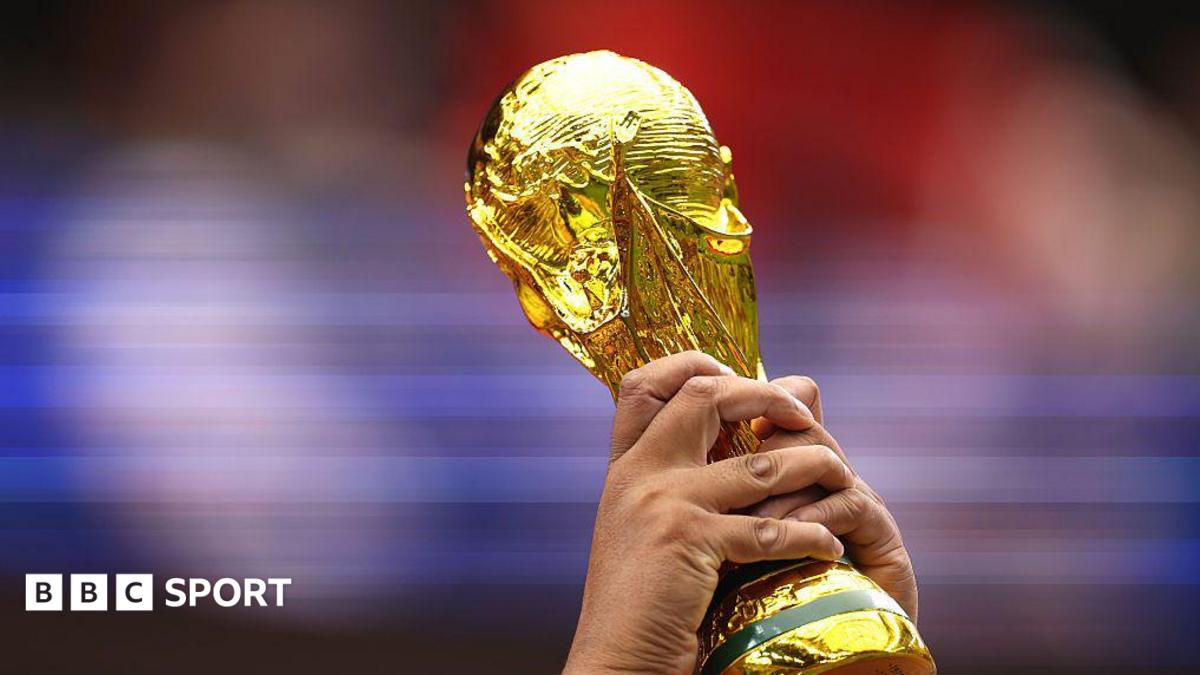
The 2026 World Cup is already offering a clear reminder of how much modern football is shaped by money, recruitment power and squad depth. According to BBC Sport, players from 75 different domestic football divisions have featured in the tournament so far, but the Premier League’s financial muscle is standing out as one of the biggest forces on the competition.
This is not simply a story about one league producing more players than another. It is about the way elite clubs now influence the global game through transfer spending, wage levels and the ability to attract talent from every corner of the world. When those players arrive at the World Cup, they bring with them the tactical habits, physical standards and competitive demands of English football’s top flight.
Premier League spending power reaches the World Cup
BBC’s analysis points to a familiar pattern: the clubs with the most resources often shape the biggest stages. Premier League sides can afford to sign established internationals, develop emerging talent and stock squads with depth that many other leagues cannot match. That has consequences not only for domestic competition, but also for international tournaments where those players are now central figures.
For supporters, the implication is straightforward. The Premier League’s reach is no longer limited to England. Its influence is visible in World Cup line-ups, in the style of play teams use, and in the level of intensity expected from players who have spent time in that environment. Even when a player represents a different nation, the club context behind him can matter enormously.
What it means for teams and supporters
There is also a tactical angle. Players who have been exposed to Premier League football often arrive at international tournaments with experience of high pressing, fast transitions and physically demanding matches. That can help national teams, especially in knockout football where small details decide outcomes. At the same time, it raises questions about competitive balance, because wealthier leagues are able to shape the development of more players than their rivals.
The BBC piece does not suggest that money alone decides World Cup success, and that would be too simplistic. But it does underline a broader truth about the modern game: the clubs with the biggest budgets can leave a footprint far beyond their own league tables. For fans, that means the World Cup is increasingly a showcase not just of national teams, but of the global power structures that sit behind them.
As the tournament continues, the Premier League’s influence will remain a key subplot. Whether through goals scored, chances created or attacks stopped, the league’s financial strength is helping define the shape of the competition.
Source note: This article was prepared using publicly available information from BBC Sport and expanded with editorial context.
Share this content: