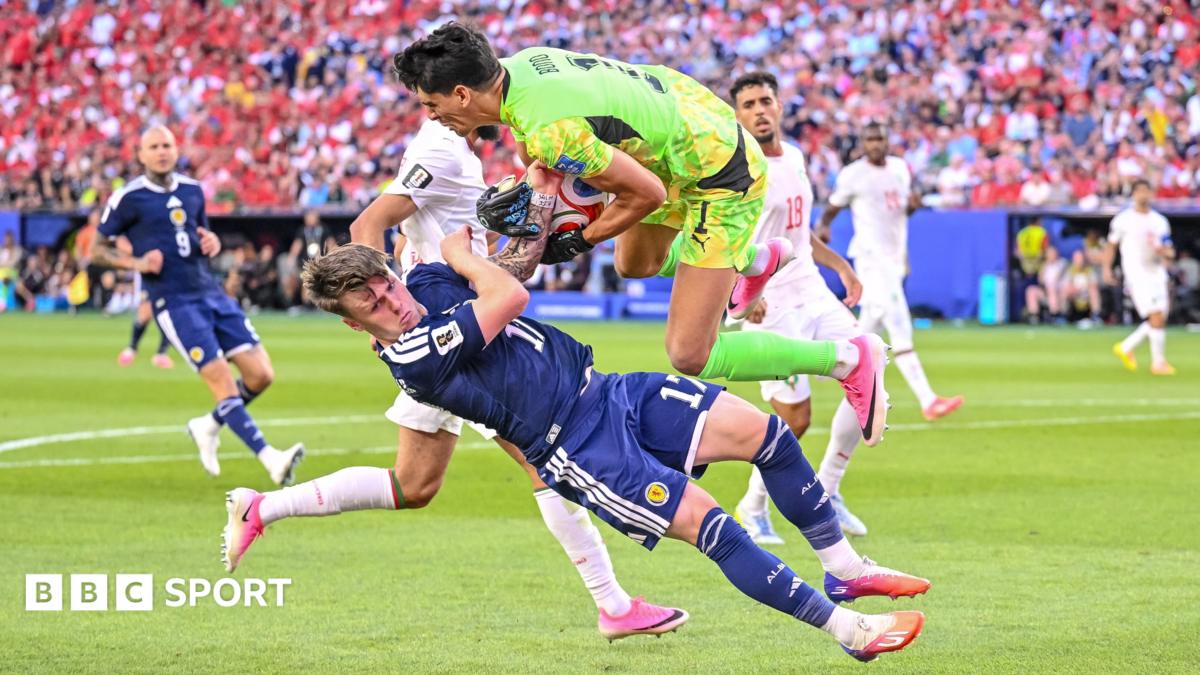
Scotland’s latest showing has been framed not as a masterpiece, but as another reminder of why Steve Clarke’s team have earned respect: they are difficult to break, difficult to shake and rarely surrender their shape. That matters in international football, where fine margins often decide whether a campaign feels promising or wasted.
BBC’s analysis of the performance places Clarke back at the centre of the debate around Scotland’s identity. He has long been criticised for caution and for a pragmatic approach that can look conservative when results are not immediately flattering. Yet the broader point is that Scotland’s structure has given them a level of consistency that more expansive teams often struggle to maintain.
Resilience over romance
For supporters, this is the familiar trade-off. Scotland under Clarke may not always produce the kind of free-flowing football that satisfies every neutral, but they have repeatedly shown an ability to stay in games, absorb pressure and remain competitive against stronger opposition. That is not a small thing in a qualifying or tournament environment, where emotional control and defensive discipline can be as valuable as attacking flair.
The BBC piece’s description of Scotland as “men of substance” reflects that wider reality. The team’s value is not built on style alone, but on the reliability of their collective effort. When a side is organised, committed and hard to unsettle, it can turn imperfect performances into useful ones. That is often the difference between a team that merely participates and one that can genuinely progress.
What it means for Clarke and Scotland
Clarke’s challenge has always been to balance pragmatism with ambition. Too much caution invites criticism; too much risk can expose the very foundations that have made Scotland competitive. The debate around his management is therefore not simply about tactics, but about identity: how much should Scotland trust structure, and how much should they chase greater attacking freedom?
For the squad, the message is clear. Even when the football is not fluent, the underlying standards remain important. Scotland’s supporters know that international success is rarely built on aesthetics alone. It is built on resilience, clarity and the ability to stay in the contest long enough for quality or momentum to decide it.
That is why this latest analysis matters beyond one match. It reinforces the idea that Scotland’s progress under Clarke is not always spectacular, but it is real. In a landscape where many teams talk about identity without consistently showing it, Scotland continue to offer something more tangible: a side with limitations, certainly, but also with enough substance to matter.
Source note: This article was prepared using publicly available information from BBC Sport and expanded with editorial context.
Share this content: