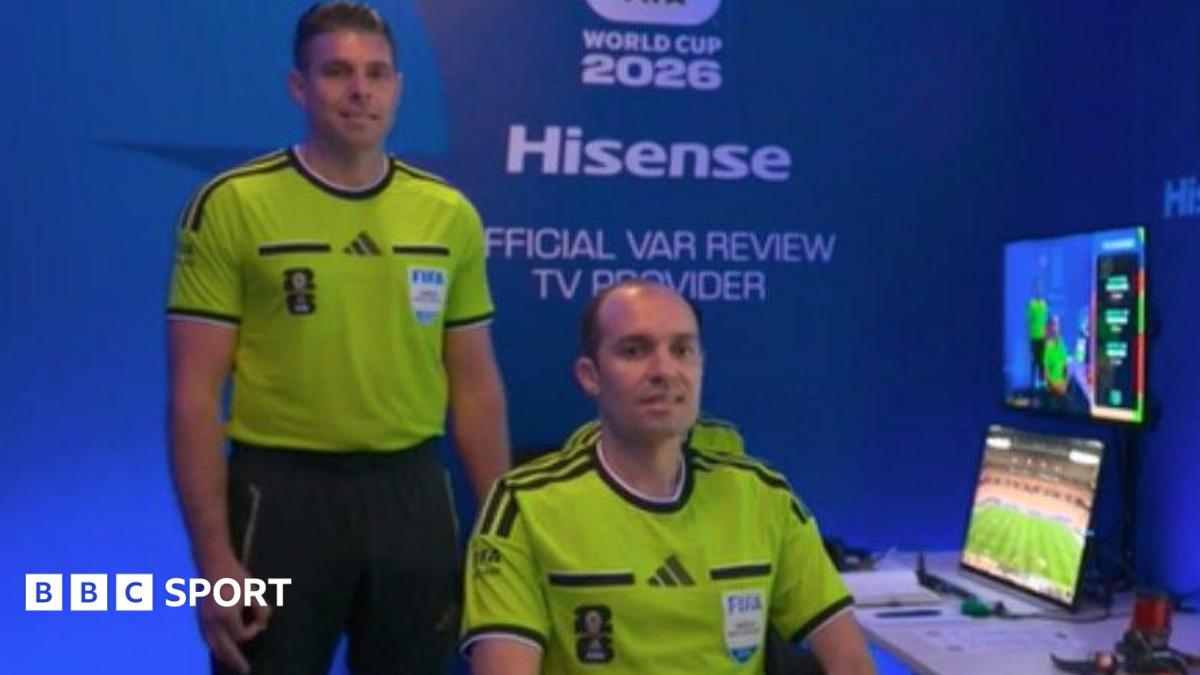
Fifa’s decision to clear video assistant referee Shaun Evans after reviewing an ‘OK’ hand gesture is a reminder that modern football’s officiating debate now extends far beyond decisions on the pitch. In an era where every camera angle is analysed, even a brief gesture can become a disciplinary issue if it is interpreted as carrying meaning.
According to the BBC report, Evans said the gesture was an “involuntary, subconscious twitch”, and that explanation was accepted after a Fifa investigation. The case matters because it shows how quickly officials can find themselves under the same level of scrutiny as players and coaches, especially in tournaments where the stakes are high and the margin for error is tiny.
Why this matters for football governance
For supporters, the immediate takeaway is not about a match result but about trust in the system. VAR already divides opinion because of delays, interpretation and consistency. When an official’s body language becomes part of the story, it adds another layer to the debate over transparency, professionalism and how much room referees have to operate under constant surveillance.
The fact that Fifa investigated the incident suggests the governing body treated it seriously rather than dismissing it as a trivial moment. That is significant in itself. Football’s authorities have spent years trying to protect the credibility of officiating, and any suggestion of coded communication or inappropriate signalling can quickly damage confidence, even if no wrongdoing is ultimately found.
What it means for VAR and tournament pressure
VAR officials work in an environment where every action is recorded, replayed and judged. That pressure is amplified during major international competitions, where decisions can shape qualification, knockout paths and public perception of the tournament. Evans being cleared will likely close this specific case, but it will not end the broader conversation about how referees are monitored and how much explanation fans receive when controversies arise.
From a football perspective, the episode also highlights the fragile balance between human judgment and technological oversight. VAR was introduced to reduce obvious errors, yet the people operating it remain human, with all the imperfections that come with that. The more football leans on technology, the more the conduct of officials themselves becomes part of the public conversation.
For supporters, the story is a small but telling example of how elite football now works: not just as a game of goals and tactics, but as a highly regulated, highly visible system where even a hand gesture can trigger investigation. Evans’ clearance removes one question, but the wider scrutiny around officiating remains firmly in place.
Source note: This article was prepared using publicly available information from BBC Sport and expanded with editorial context.
Share this content: