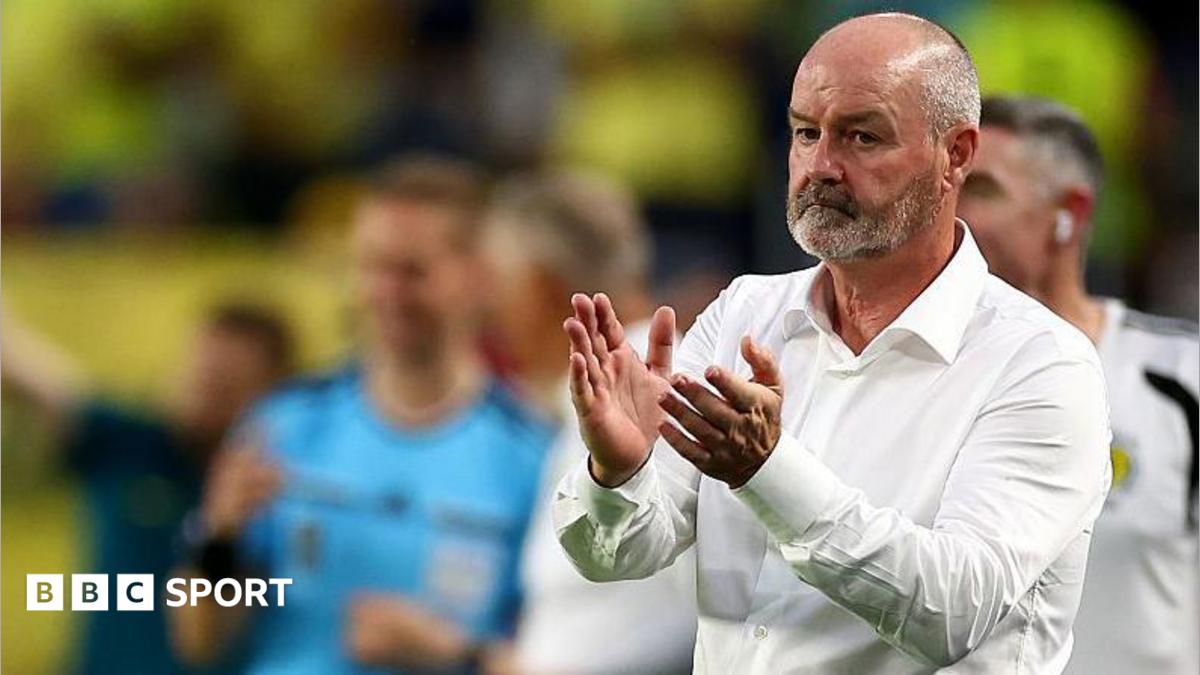
Steve Clarke’s departure as Scotland head coach was framed by one clear condition: if the team did not make the World Cup knockout rounds, he would walk away. That is exactly what happened, and Clarke has now described the decision to resign as an easy one after Scotland’s group-stage exit was confirmed.
A planned exit after seven years in charge
According to Clarke, the timing was not driven by emotion in the moment but by a long-standing understanding of what the tournament would mean for his future. He told his players on Saturday night at their hotel in Charlotte that his seven-year spell as Scotland boss was ending. The message came after Scotland were eliminated from a group that included Brazil, Morocco and Haiti.
For supporters, that detail matters because it changes the way the departure is viewed. This was not a sudden break or a reaction to one result alone. It was a decision linked to a target that Clarke had set for himself and for the team. In that sense, the exit is both personal and symbolic: personal because it closes a long managerial chapter, and symbolic because it underlines how high the expectations were around Scotland’s World Cup campaign.
What the exit means for Scotland
Clarke’s tenure covered seven years, a significant stretch in international football where continuity is often hard to maintain. A coach staying that long usually points to trust in the dressing room and a clear identity on the pitch. His resignation now leaves Scotland facing a reset at a time when the national side will be judged not only on results, but on whether it can build on the structure and standards established during his reign.
The immediate football implication is obvious: Scotland must now look for a new head coach, and the next appointment will shape the next phase of the national team’s development. The broader implication is for the squad itself. Players who have worked under Clarke will have to adapt to new ideas, new selection preferences and possibly a different tactical approach.
For fans, the end of Clarke’s spell is likely to prompt mixed emotions. There is the disappointment of a World Cup campaign that did not deliver knockout-stage football, but also the recognition that his exit was tied to a clear promise rather than a chaotic fallout. That gives the story a degree of closure, even if the next steps for Scotland remain uncertain.
Clarke’s own wording suggests he sees the resignation as the logical conclusion to a campaign that fell short of the standard he had set. In football terms, that makes this less a surprise than the final act of a plan that was always dependent on World Cup success.
Source note: This article was prepared using publicly available information from BBC Sport and expanded with editorial context.
Share this content: