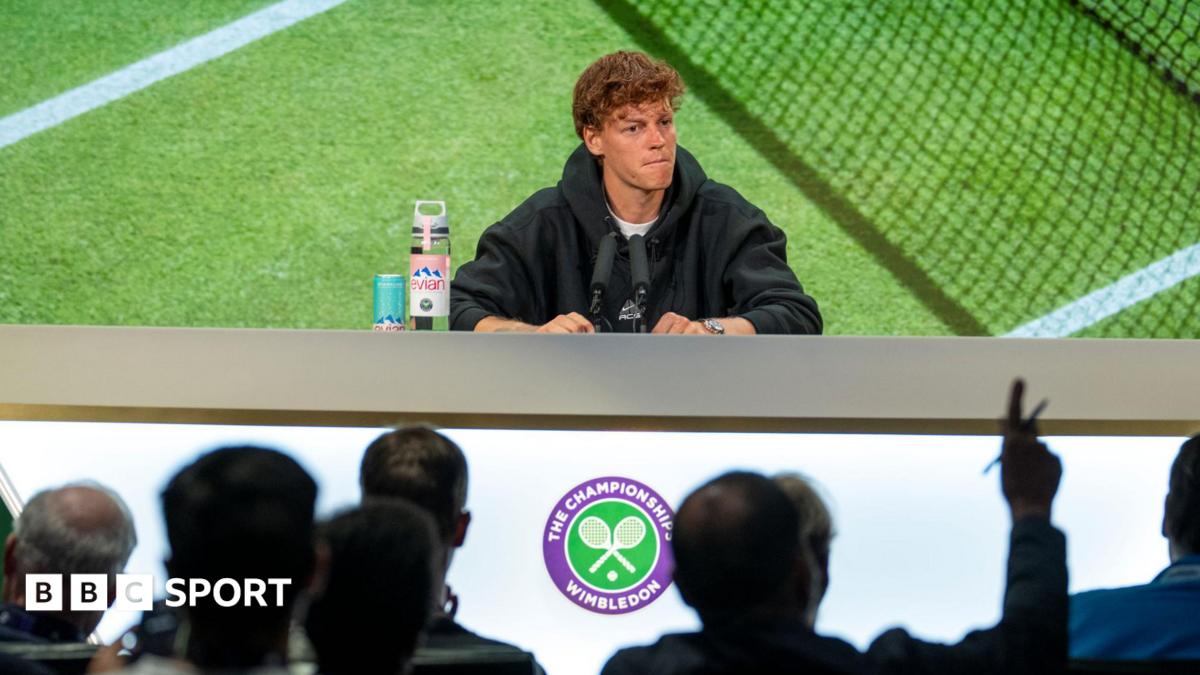
Top tennis players are using Wimbledon to keep pressure on the sport’s power brokers, with BBC Sport reporting that many of the game’s biggest names will continue their prize-money protest by limiting media access. It is a pointed move, and one that goes beyond a simple off-court disagreement: it is a public challenge to how tennis rewards its leading performers and, by extension, how the sport values the wider professional game.
Why the protest matters
Prize money disputes are not new in tennis, but they tend to sharpen during the biggest tournaments, where the gap between the sport’s commercial success and the players’ share of the revenue becomes most visible. Wimbledon is one of the most prestigious events in world sport, and that makes it a powerful stage for protest. When leading players reduce their media availability, they are not only drawing attention to their own concerns; they are also forcing fans, organisers and broadcasters to confront the economics behind the spectacle.
For supporters, the issue is more complicated than a simple argument over who earns what. The top of the game generates the headlines, sells the tickets and drives the television audience, but tennis is also a sport with a deep pyramid. Any change to prize-money distribution can affect players far beyond the elite tier. That is why these disputes often become a test of whether the sport can balance star power with broader competitive fairness.
What Wimbledon adds to the debate
Wimbledon gives the protest extra weight because of its global profile and its traditional image of order, ceremony and control. A media restriction at the tournament is a subtle form of pressure, but it is still highly visible. It signals that the players believe normal channels are not enough to move the conversation forward.
From an editorial perspective, the key question is not whether the protest is disruptive, but whether it is effective. If the aim is to force a rethink on prize money, then the timing at Wimbledon is logical: the tournament guarantees attention. If the aim is to win public sympathy, the players may find the response mixed. Some fans will see the protest as a justified stand for fairness in a sport built on individual risk and performance. Others may view it as an unnecessary distraction during one of the calendar’s most important events.
Either way, the dispute underlines a familiar truth about tennis: the sport’s biggest names have leverage, and they know it. By tightening their media access at Wimbledon, they are making sure the conversation about prize money does not fade once the matches begin.
Source note: This article was prepared using publicly available information from BBC Sport and expanded with editorial context.
Share this content: