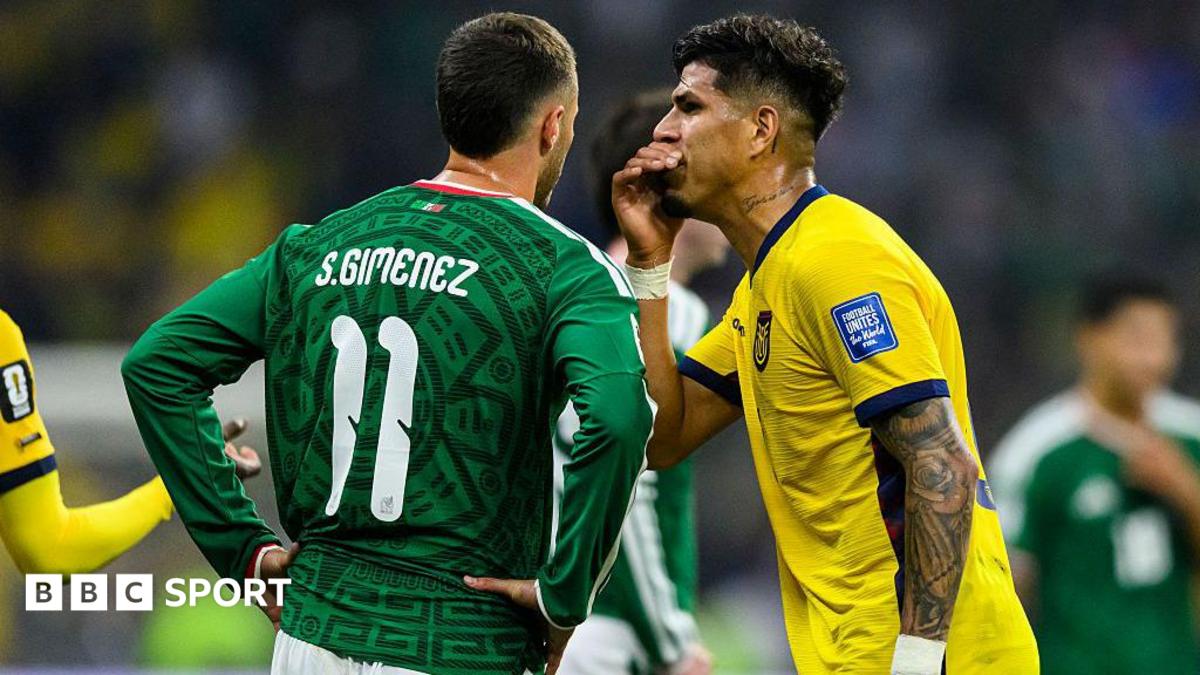
UEFA has moved to end uncertainty over a small but increasingly scrutinised detail of on-pitch behaviour: players covering their mouths during confrontations with opponents will not be shown red cards in UEFA competitions. The clarification, confirmed on Thursday and reported by BBC Sport, settles a question that has become more relevant in an era where lip-reading, VAR scrutiny and social media analysis can turn even a brief exchange into a major talking point.
What UEFA’s clarification means
The ruling matters because mouth-covering has become a common habit among players who want to shield conversations from cameras, opponents or match officials. In modern football, that gesture is often interpreted as an attempt to hide dissent, tactical instructions or something more controversial. UEFA’s position now removes one possible disciplinary outcome from the equation, at least in its own competitions.
For players, the immediate implication is straightforward: the act of covering the mouth itself is not enough to trigger a red card. That does not mean all related behaviour is automatically acceptable. Any insult, abusive language, dissent or unsporting conduct would still be assessed under the laws and disciplinary framework that govern UEFA matches. The distinction is important because the gesture and the content of the exchange are not the same thing.
Why the issue matters for clubs and supporters
For clubs, the clarification provides a degree of predictability in high-pressure European fixtures, where a single dismissal can alter a tie and reshape a season. Managers and analysts spend considerable time preparing for the emotional and tactical margins of knockout football, and even a misunderstood confrontation can have consequences beyond the incident itself. UEFA’s stance reduces the chance that a player is punished simply for trying to keep a conversation private.
Supporters, meanwhile, will likely see the decision as part of football’s ongoing attempt to balance transparency with common sense. The modern game is heavily monitored, but not every gesture should be treated as misconduct. UEFA’s decision suggests that disciplinary action should focus on what is actually said or done, rather than on a player’s effort to prevent others from reading their lips.
There is also a broader tactical angle. Players often cover their mouths when discussing set-piece details, pressing triggers or late-game instructions. In elite football, where information can be valuable, that habit is now effectively protected from the most severe sanction in UEFA competitions. The clarification may not change how players behave, but it does remove one layer of risk from a routine part of matchday communication.
In practical terms, the story is less about controversy than about clarity. UEFA has drawn a line under a behaviour that has become common across the professional game, and in doing so has given players, coaches and officials a clearer framework for what should and should not be punished.
Source note: This article was prepared using publicly available information from BBC Sport and expanded with editorial context.
Share this content: