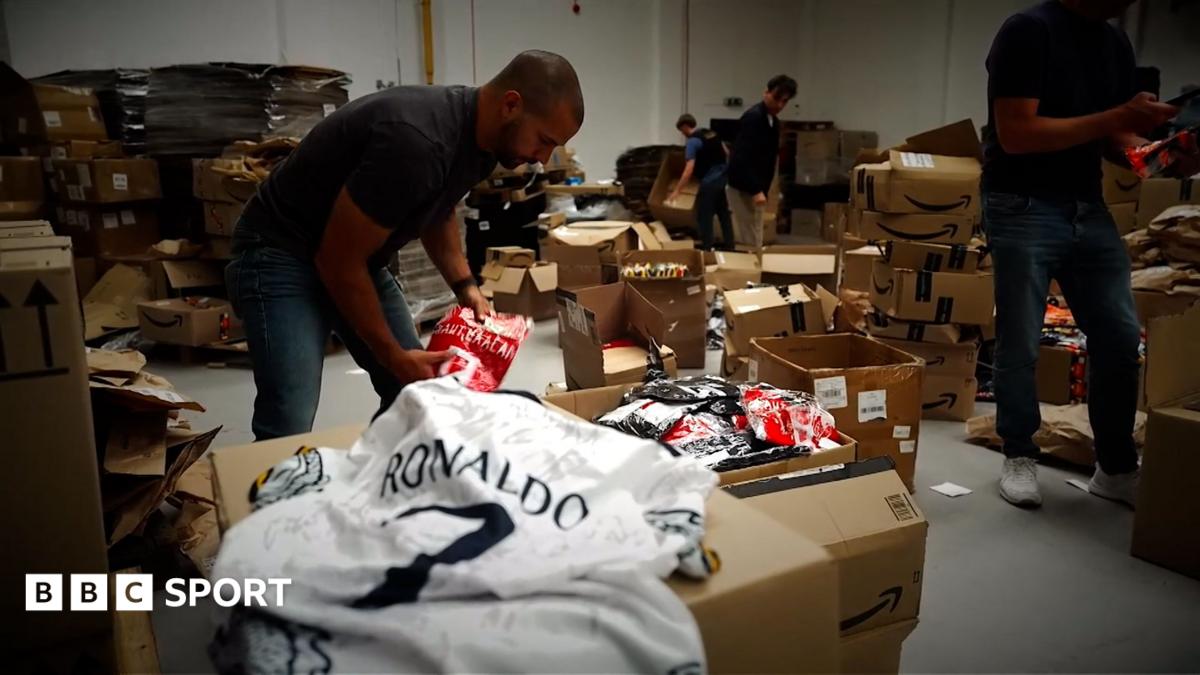
Counterfeit football shirts worth more than £18m were seized across the UK during the World Cup period, underlining how major tournaments continue to drive demand for unofficial merchandise. The scale of the seizures also shows that the fake-kit market is not just a matter of lost sales for clubs and manufacturers, but a wider consumer safety issue.
For supporters, the attraction of cheaper shirts is obvious. Tournament summers and international competitions typically trigger a surge in demand, with fans looking to buy the latest colours, badges and sponsor logos without paying full retail prices. But the BBC report makes clear that the risks go beyond poor stitching or faded printing. Fire safety officials warned that counterfeit shirts can be far more flammable than genuine items, turning what looks like a bargain into a potential hazard.
Why fake kits remain a major problem
The counterfeit football market has long thrived on high-profile events, and the World Cup remains one of the biggest drivers of that trade. When national teams are in the spotlight, fake shirts can flood online marketplaces, street sellers and informal retail channels. The latest seizure figure suggests enforcement agencies are still having to deal with a large and organised supply chain rather than isolated opportunistic sellers.
There is also a broader footballing context. Clubs and national associations rely heavily on merchandise revenue, and fake kits cut directly into that income. That matters because shirt sales help fund everything from commercial operations to fan engagement, while counterfeit goods undermine the value of official licensing and brand protection.
Safety, not just authenticity, is the issue
The Fire Service warning adds a sharper edge to the story. Supporters often think of counterfeit shirts as a quality problem or a legal grey area, but the concern here is physical safety. If a shirt is made with inferior materials, it may behave very differently in the event of heat or fire, which is why officials are urging caution around unverified products.
The warning quoted in the BBC report also points to another uncomfortable truth: buyers may not know where their money is going when they choose fake merchandise. That uncertainty is part of why authorities continue to target the trade, especially during periods when demand is highest and consumers are most likely to prioritise price over provenance.
For fans, the message is straightforward. The cheapest shirt is not always the safest one, and the World Cup’s commercial boom has once again shown how quickly counterfeit sellers move to exploit football’s biggest moments.
Source note: This article was prepared using publicly available information from BBC Sport and expanded with editorial context.
Share this content: