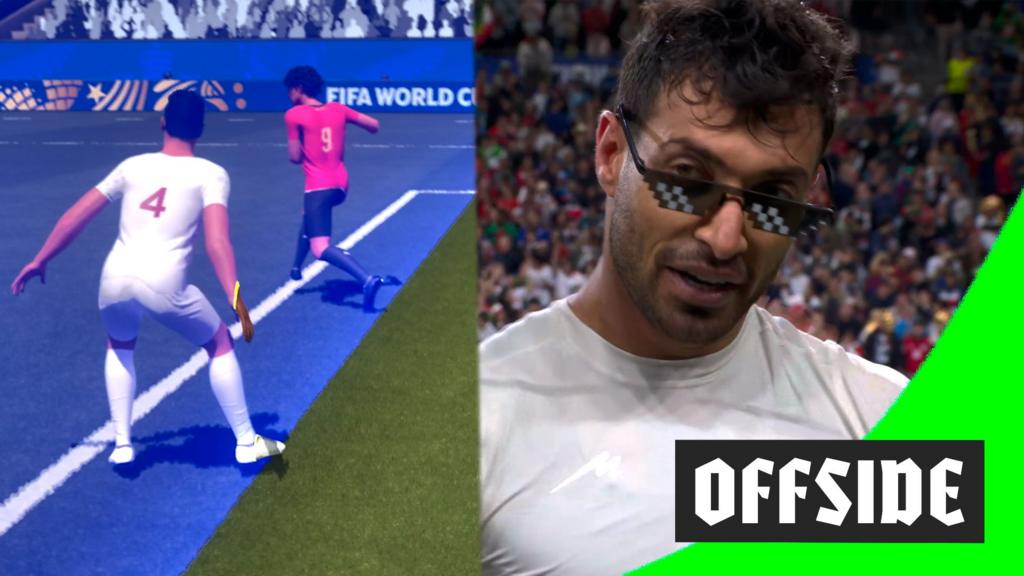
Iran were left to wait on their World Cup fate after a dramatic late intervention from VAR overturned what looked like a decisive added-time winner. Shoja Khalilzadeh’s goal was ruled out, and with it went the chance for Iran to secure automatic qualification for the last 32.
The decision matters because it changes the shape of Iran’s tournament path. Instead of celebrating a guaranteed place in the knockout stage, they now have to rely on the best third-placed qualification route. That is a very different position psychologically, especially in a competition where margins are often decided by goal difference, discipline and the timing of key moments.
What the VAR call means for Iran
For supporters, the frustration is obvious. A late winner is usually the kind of moment that can transform a group-stage campaign, but VAR has increasingly become part of the defining narrative in modern tournament football. In Iran’s case, the technology did not just change one result; it altered the team’s immediate outlook and left them in a more uncertain position.
From a footballing perspective, the episode underlines how fine the margins are at this level. Iran had done enough to believe they had taken a major step toward the knockout rounds, only for the decision to be reversed in added time. That kind of swing can affect momentum, confidence and the way a team approaches its final group match or matches.
Why the result matters beyond one goal
Iran have built a reputation as one of Asia’s more competitive national sides, and qualification scenarios like this are often where experience becomes crucial. Teams in their position must balance ambition with caution: pushing for a winner can bring reward, but it can also leave them exposed to the kind of late drama that VAR can amplify.
For the squad, the focus now shifts to recovery and preparation rather than celebration. They remain alive in the competition, but the route is less secure and the pressure is higher. For supporters, that means the story is not over, only delayed. A place in the last 32 is still possible, but it now depends on results elsewhere as well as Iran’s own standing in the group.
In tournament football, that uncertainty can be both a burden and a motivator. Iran will know they cannot control everything, but they can still control their response. After a ruling that took away a late breakthrough, the next match becomes about resilience, composure and making sure one VAR moment does not define their campaign.
Source note: This article was prepared using publicly available information from BBC Sport and expanded with editorial context.
Share this content: