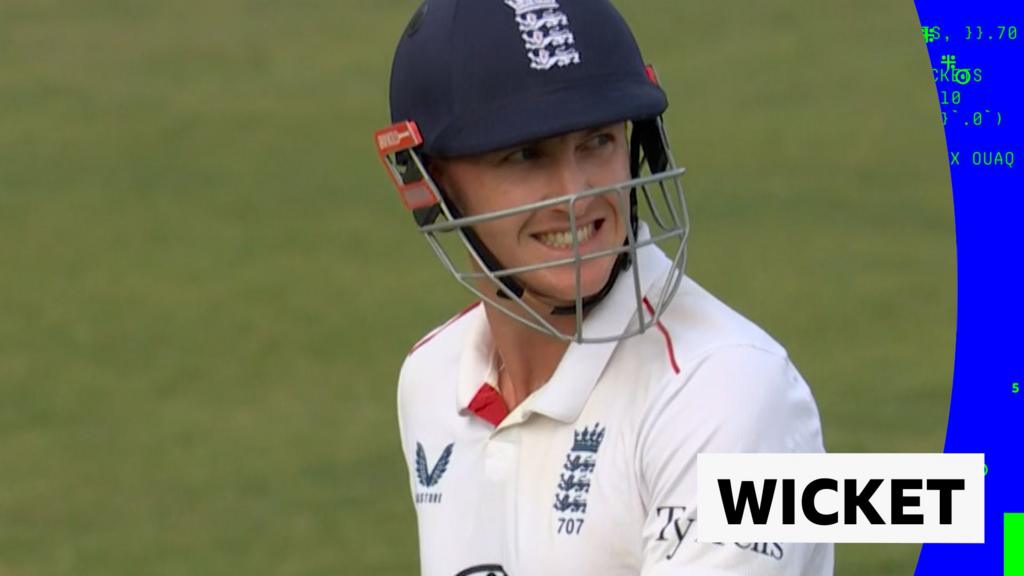
England’s pursuit of 373 against New Zealand at Trent Bridge was jolted by the dismissal of Harry Brook, with the batter out for 21 in the second innings and the score slipping to 72-3. The moment drew a sharp reaction from former England captain Michael Vaughan, who labelled the dismissal “pathetic” in a verdict that underlined the pressure building on England’s chase.
For supporters, the key issue is not just the wicket itself but the timing. England had already been asked to produce a substantial fourth-innings effort, and losing a player of Brook’s attacking profile at that stage narrows the margin for error. In a Test chase, especially one above 300, partnerships matter as much as individual shots, and early wickets can quickly shift the balance back toward the fielding side.
Why Brook’s wicket mattered
Brook has become one of England’s most watched batters because of the tempo he brings to the middle order. That makes his dismissal particularly significant in a chase where England needed calm decision-making as much as scoring intent. When a side is hunting a target of 373, the batting order cannot afford repeated soft dismissals, because each wicket increases the required rate of risk and reduces the number of settled players available to guide the innings.
Vaughan’s criticism reflects that broader concern. His comments were not simply about one shot, but about the standards expected when England are trying to control a difficult fourth-innings chase. In that context, a loose wicket can feel costly even before the final result is known, because it hands momentum back to the opposition and forces the remaining batters to rebuild under greater scrutiny.
What it means for England
At 72-3, England were still in the contest, but the chase had already become more complicated. The scoreboard pressure of 373 is substantial in any Test, and the loss of wickets means the innings must now be managed with greater discipline. That places a premium on the next partnerships, shot selection, and the ability to absorb pressure without allowing New Zealand to dictate terms.
For New Zealand, the wicket represented exactly the kind of opening they would have wanted after setting a challenging target. In Test cricket, early breakthroughs in a chase can be decisive because they force the batting side to balance ambition with survival. England’s task from that point was clear: stabilise, extend the innings, and avoid letting one dismissal turn into a collapse.
For England fans, the episode is a reminder of how quickly a Test chase can change. A target of 373 demands patience, but also clarity under pressure. Brook’s wicket, and the reaction it provoked, captured the tension of a match still finely poised but increasingly shaped by England’s ability to respond to setbacks.
Source note: This article was prepared using publicly available information from BBC Sport and expanded with editorial context.
Share this content: