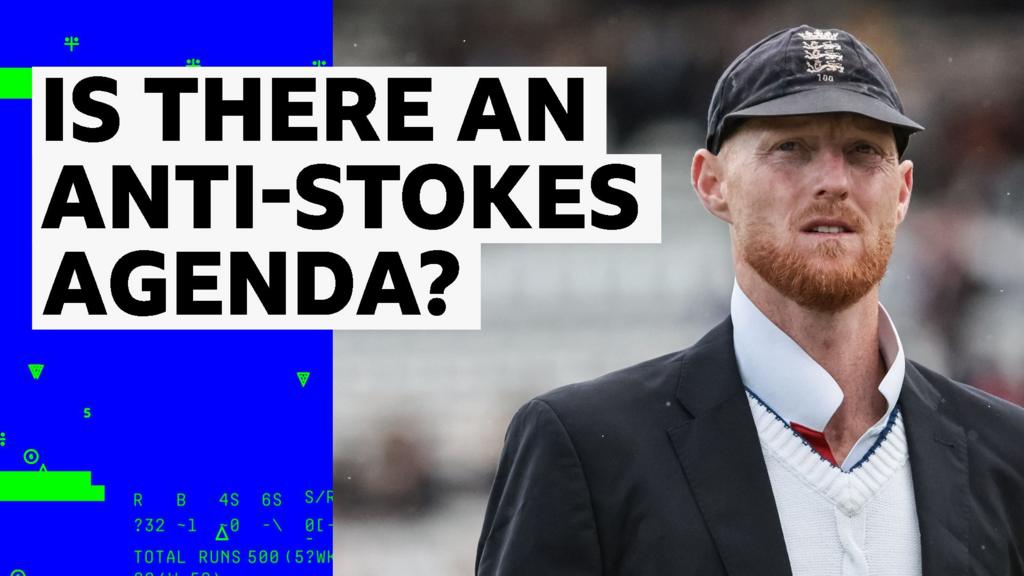
Michael Vaughan’s latest intervention has added another layer to the debate around Ben Stokes and England’s leadership future. In a BBC Sport video item, the former England captain said he believes there are people inside the ECB who do not want Stokes to return as England captain and have been briefing against him after the curfew incident that led to his absence from the second Test against New Zealand.
The comments matter because they go beyond the immediate disciplinary issue and into the politics that often shape major England decisions. Stokes is not just another senior player: he is one of the most influential figures in the side, a match-winner with bat and ball, and a cricketer whose presence has repeatedly changed the tone around the team. Any discussion about his leadership therefore carries wider implications for selection, dressing-room authority and the direction of the national side.
Why the Stokes debate is bigger than one incident
The curfew episode has clearly become more than a one-off flashpoint. Vaughan’s suggestion that resistance to Stokes may exist within the ECB points to a familiar tension in elite sport: how much weight should be given to discipline, and how much to the value of a proven leader? For supporters, the issue is not only whether Stokes should be punished, but whether England can afford to move away from a captain who has already shown he can reshape the team’s mentality.
England’s recent Test environment has often been judged through the lens of leadership stability. When a side is trying to build momentum, uncertainty around the captaincy can distract from cricketing priorities such as team balance, batting order clarity and bowling plans. That is why comments like Vaughan’s resonate beyond the headline. They suggest the decision-making process may be influenced by internal opinion as much as public perception.
What it means for England supporters
For England fans, the key question is whether Stokes’ return to the captaincy would be seen as a pragmatic sporting decision or as a compromise after a disciplinary setback. Vaughan’s remarks will likely sharpen that debate rather than settle it. If the ECB is divided, supporters may see the issue as a test of how the governing body handles high-profile talent when standards and results collide.
At the same time, the absence of full public detail means the story should be treated carefully. What is verifiable is Vaughan’s view, not the internal workings of the ECB. Even so, his comments ensure that Stokes’ status remains a live issue, and they underline how quickly a disciplinary matter can become a broader conversation about trust, authority and England’s long-term direction.
Source note: This article was prepared using publicly available information from BBC Sport and expanded with editorial context.
Share this content: