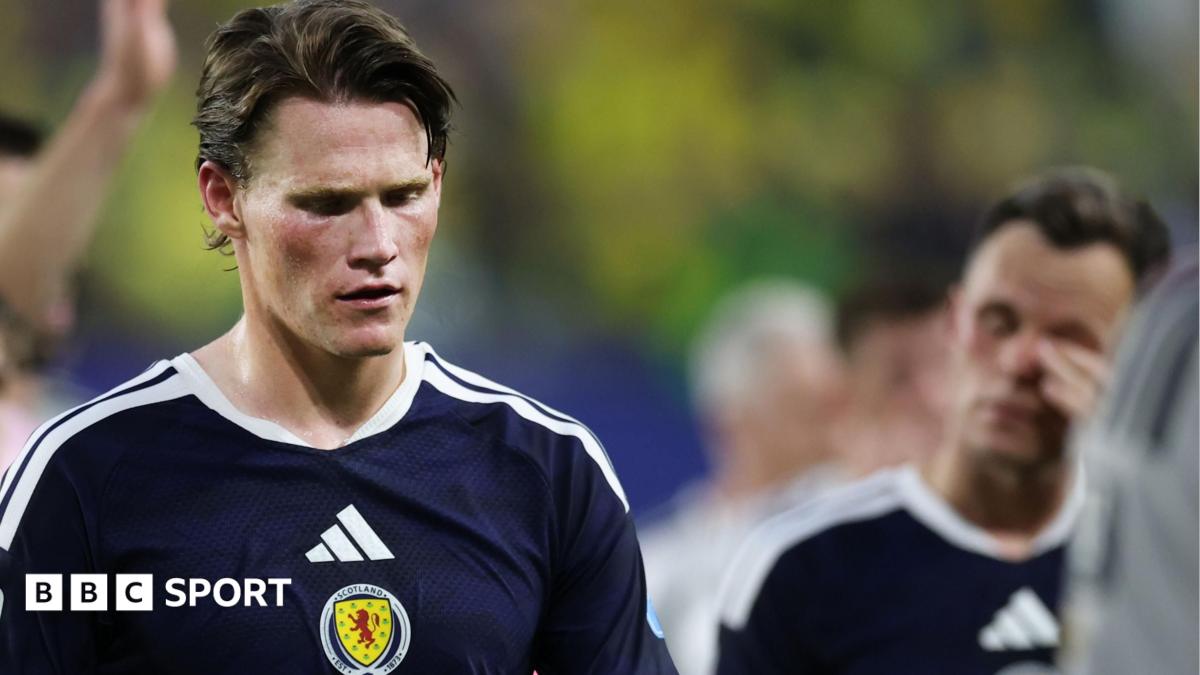
Scotland’s World Cup hopes have been left hanging on results elsewhere after a 3-0 defeat by Brazil in their final group-stage match. The result means the route to the last 32 is no longer in Scotland’s control, turning the focus away from what they can do on the pitch and toward the wider qualification picture.
For supporters, that is a frustrating position. Tournament football often comes down to fine margins, and a heavy loss in the final group game can leave a team relying on permutations rather than performance. Scotland’s task now is not to chase another result themselves, but to wait and see how the rest of the group stage plays out across the competition.
What the Brazil defeat means
The immediate consequence of the 3-0 loss is simple: Scotland cannot secure knockout qualification by their own efforts alone. That shifts the pressure onto other teams and other matches, which is rarely where a side wants to be after the group phase. In practical terms, Scotland must now hope the results elsewhere fall in their favour if they are to progress among the World Cup’s expanded knockout places.
That kind of scenario can be difficult for players and fans alike. Instead of building momentum from a positive final group performance, Scotland are left needing a combination of favourable outcomes. It is a reminder of how unforgiving major tournaments can be, especially when a team is competing against elite opposition such as Brazil.
Why the knockout race matters
The move to a last-32 format means more teams can stay alive deeper into the tournament, but it also creates a complicated qualification picture. For Scotland, that complexity is now the story. Their fate depends on how the wider group standings and knockout qualification criteria settle, rather than on a final-day push of their own.
From a footballing perspective, the defeat also underlines the gap that can exist between group-stage survival and genuine knockout security. Even when a team remains mathematically in contention, a poor final result can leave them vulnerable to tiebreakers and external calculations. Scotland now sit in that uncertain space, waiting for the numbers to work in their favour.
For supporters, the next stage is one of anxious watching rather than active control. The hope is still alive, but the margin for error has gone. Scotland’s World Cup story is not over yet, but after the loss to Brazil, the team’s progress depends on help from elsewhere.
Source note: This article was prepared using publicly available information from BBC Sport and expanded with editorial context.
Share this content: