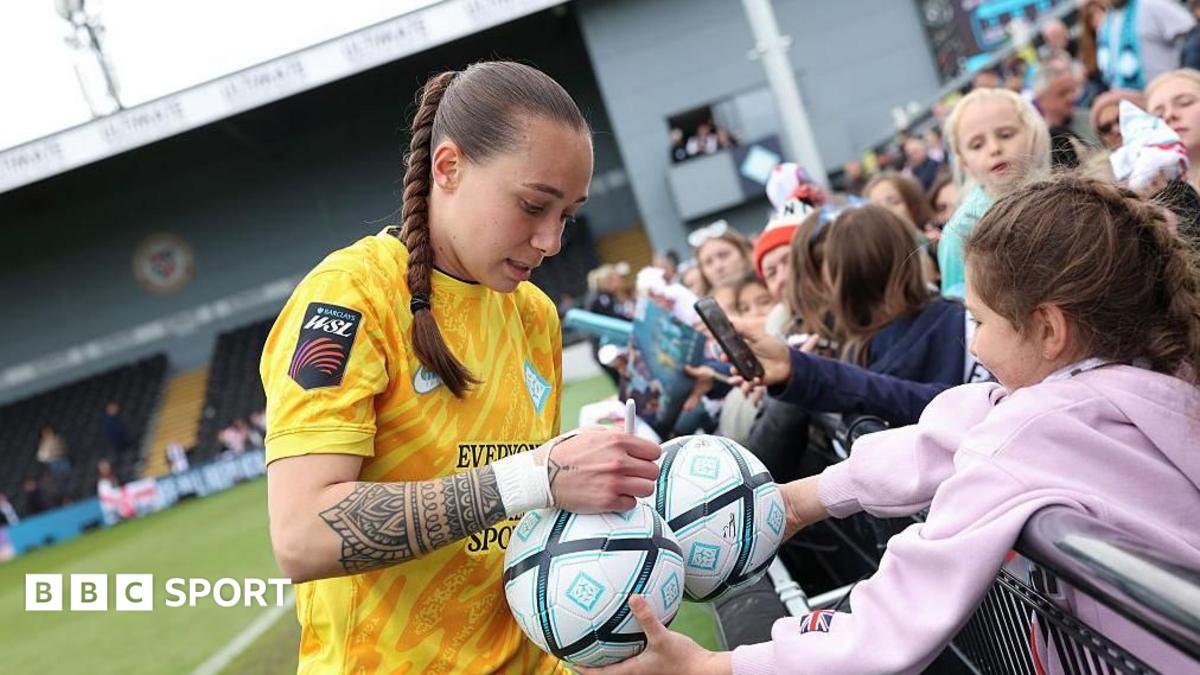
The Women’s Super League has spent years trying to turn interest into habit, and the BBC’s latest look at the fan experience lands on one of the clearest signs of progress: Arsenal’s rising attendances. That growth matters not just as a headline number, but as evidence that women’s football can build a matchday culture strong enough to sustain itself beyond one-off spikes in attention.
At the same time, the source also points to the friction that comes with that progress. Rival fans mocking Arsenal’s crowds suggests the old arguments around women’s football are not gone; they have simply shifted. What was once dismissal from outside the game is now often replaced by banter aimed at the clubs leading the way. In that sense, the noise around attendance is also a sign of relevance. Supporters do not spend time needling a product they think does not matter.
Arsenal’s crowds show what growth looks like
Rachel Major, a supporter of 20 years, is presented as part of the club’s long-term fan base rather than a new arrival drawn in by novelty. That distinction is important. The strongest growth in the women’s game is not only about attracting first-time spectators; it is about retaining supporters who return, travel, and create atmosphere. Arsenal have become one of the clearest examples of that model in the WSL.
For the league, that is encouraging because it suggests the audience is becoming more stable. Bigger crowds can improve the matchday product, raise the profile of players, and make the competition more commercially attractive. They also give supporters a stronger sense that they are part of something building over time, not just attending isolated showcase events.
What still needs fixing for WSL supporters
But the BBC framing also hints at the limits of progress. If attendances are improving, the wider fan experience still depends on consistency: scheduling, accessibility, atmosphere, and how clubs convert curiosity into loyalty. The women’s game has often been praised for its openness and family-friendly feel, yet that alone is not enough to guarantee long-term growth.
For supporters, the stakes are straightforward. Better crowds and stronger engagement can make the WSL feel more like a major football competition and less like a developing side project. For clubs, the challenge is to keep that momentum without relying on novelty or comparison with the men’s game. Arsenal’s example shows what is possible when a fan base is allowed to grow naturally. The next step for the league is making that kind of support feel normal, not exceptional.
That is why the debate matters. The WSL is no longer just asking whether people will come. It is asking what kind of experience will make them stay.
Source note: This article was prepared using publicly available information from BBC Sport and expanded with editorial context.
Share this content: