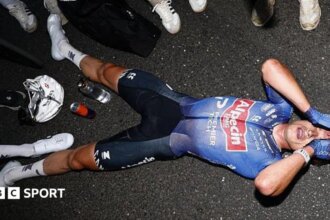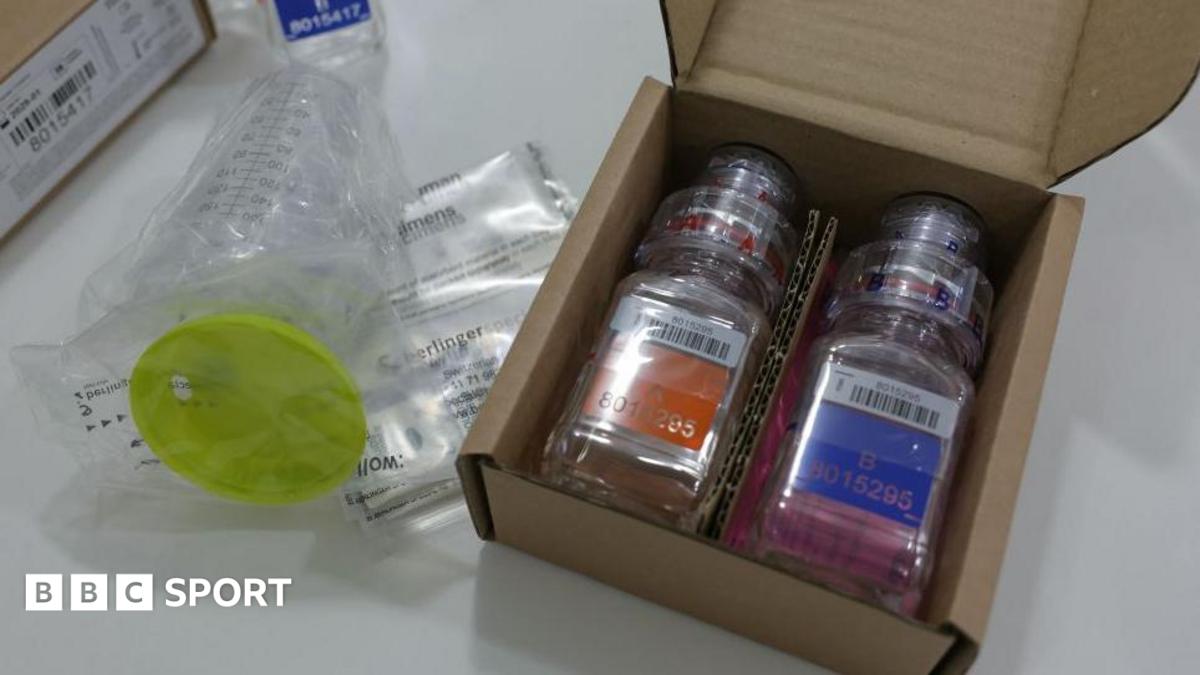
Night-time anti-doping tests at the Tour de France have pushed cycling’s testing methods back into the conversation, with BBC Sport reporting that some of the sport’s biggest names have been checked after dark. The timing is notable because the Tour is not just the sport’s most visible race, but also the place where scrutiny is at its sharpest.
For cycling, the issue is bigger than one set of tests. The sport has spent years trying to rebuild trust after a series of damaging scandals, and every high-profile testing operation becomes part of that wider effort. The message from anti-doping authorities is clear: testing is not limited to race day or standard hours, and riders can be checked whenever intelligence, logistics or competition demands it.
Why night-time testing matters
Testing at night is designed to make anti-doping controls less predictable. In a sport where marginal gains matter and recovery routines are tightly managed, the ability to test riders outside normal hours is intended to reduce the chance of evasion and increase the deterrent effect. It also underlines how seriously authorities continue to treat the possibility of cheating, even when the sport is trying to project a cleaner image.
BBC Sport’s report also places the issue in a broader competitive context. While lower-level riders are still being caught, the average speeds in the biggest races are rising. That combination keeps suspicion alive, even without any suggestion in the report of wrongdoing by the riders tested at the Tour de France.
What it means for the Tour and the sport
For supporters, these checks are a reminder that modern cycling remains under constant examination. Fans want the spectacle of the Tour de France to be defined by attacks, mountain stages and sprint finishes, not by questions over integrity. Yet the sport’s history means anti-doping remains part of the story, especially when the biggest names are involved.
The practical effect is twofold. First, it reinforces the idea that no rider is beyond scrutiny. Second, it shows that cycling’s governing and testing bodies are still trying to stay ahead of the methods used by anyone looking to gain an unfair edge. In a sport where public confidence is fragile, that visibility matters almost as much as the tests themselves.
BBC Sport’s report does not suggest a specific case or sanction, but it does show how easily anti-doping can return to the centre of the conversation. At the Tour de France, where every performance is analysed in detail, the testing regime is part of the race’s credibility as much as the road itself.
Source note: This article was prepared using publicly available information from BBC Sport and expanded with editorial context.
Share this content: