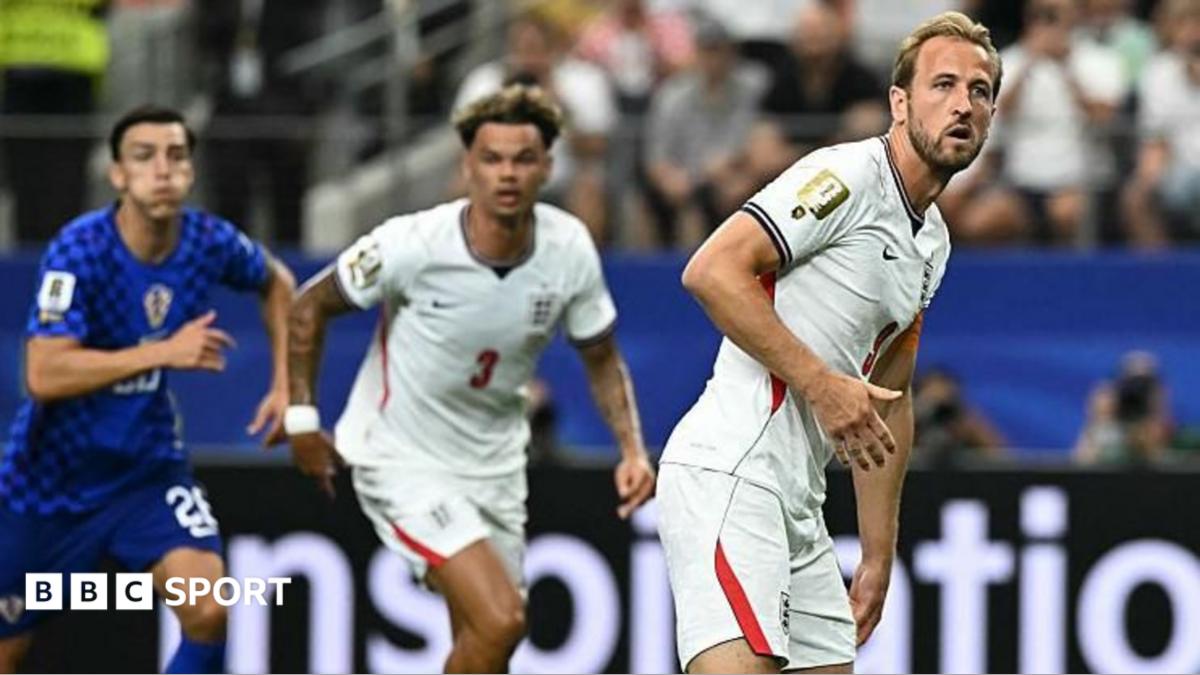
Harry Kane’s penalty against Croatia became one of those World Cup moments that goes beyond the scoreline. England were able to take the lead from the spot, but the key detail was not simply that Kane scored — it was that the penalty had to be retaken after intervention from the video assistant referee.
For supporters, these incidents can feel confusing in real time. A goal is scored, the stadium reacts, and then the decision is revisited. In this case, the retake was allowed because VAR identified an infringement that meant the original attempt could not stand. The BBC’s explanation of the incident underlines how modern tournament football is increasingly shaped by fine margins and law interpretation, not just finishing ability.
Why the retake mattered
Penalty retakes are among the most scrutinised decisions in football because they can change momentum instantly. England’s lead against Croatia was not just about Kane’s composure; it was also about the officials applying the rules correctly after the VAR review. That matters in knockout or high-pressure international matches, where a single decision can alter the emotional and tactical balance of the contest.
For England, the episode also highlighted Kane’s importance as a reliable penalty taker. When a team’s captain steps up in a major tournament, the expectation is that he will deliver under pressure. Even when the first effort is ruled out, the ability to reset and score again is part of what makes elite forwards decisive in tournament football.
What it says about VAR and tournament football
Incidents like this have become a defining feature of the World Cup era. VAR is designed to reduce clear errors, but it also creates pauses that force players, coaches and fans to wait for confirmation. That can be frustrating, yet it also ensures that key moments are judged against the laws of the game rather than the speed of live action.
From a tactical perspective, a retaken penalty can also affect how both teams approach the rest of the match. The scoring side gains confidence and control, while the defending side has to recover quickly from a decision that can feel especially harsh if it comes after a long review. For England, Kane’s successful retake was more than a technical footnote — it was a reminder that in tournament football, discipline and precision matter as much as execution.
For Croatia, the moment would have been a source of frustration, but it also reflected the reality of modern international football: every set-piece, every movement in the box and every referee check can become decisive. For England fans, the takeaway was simpler. Their captain kept his nerve, the rules were applied, and the lead was theirs.
Source note: This article was prepared using publicly available information from BBC Sport and expanded with editorial context.
Share this content: