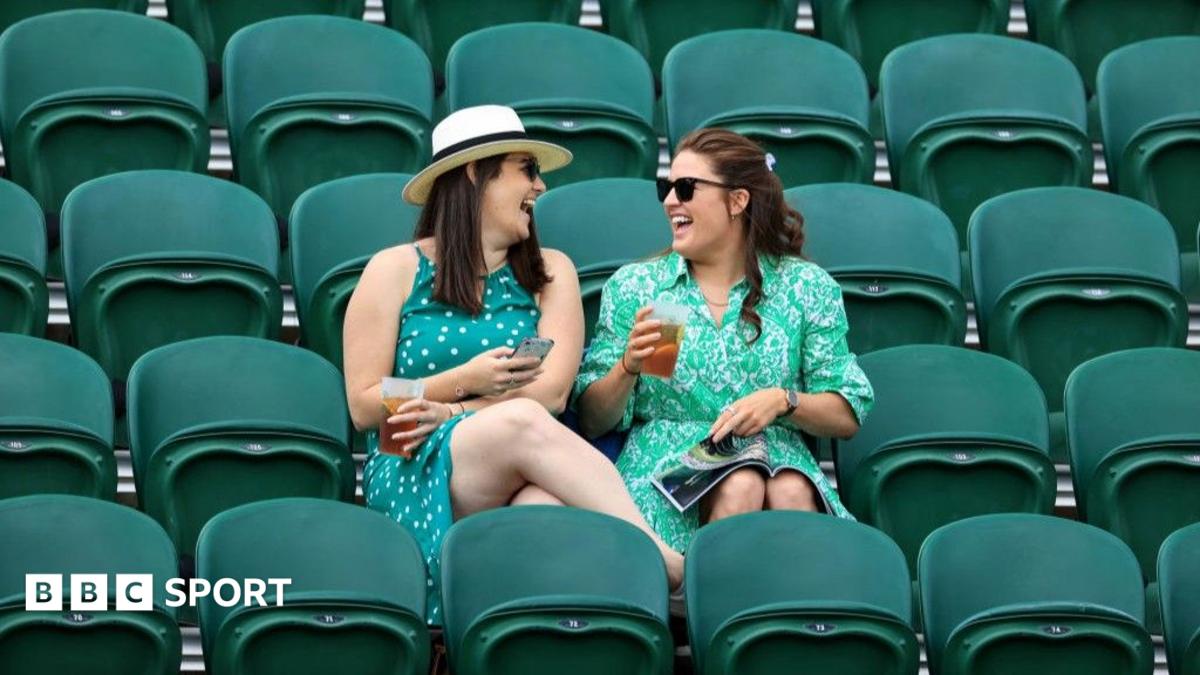
Wimbledon is usually presented as the most polished stage in tennis, but even at the All England Club the picture is not always as full as television viewers expect. BBC Sport’s explainer on the tournament’s show courts points out that empty seats are not unusual across the fortnight, even when demand for tickets is famously intense.
That matters because Wimbledon is more than a Grand Slam; it is a global sporting event where every visual detail is scrutinised. Centre Court and Court No. 1 are built for prestige, and a few visible gaps can prompt questions from fans who assume the seats should be filled from first ball to last. In reality, the way a major tournament operates means the crowd picture can change quickly, especially around match timings, movement between courts and the practicalities of getting spectators into their seats.
Why empty seats can appear on the show courts
The BBC’s piece makes clear that empty seats do not automatically signal poor demand. At Wimbledon, the experience of attending is shaped by queues, court allocation and the flow of matches across the grounds. Some spectators may still be moving between courts, while others may arrive late or leave early depending on the schedule. In a tournament with multiple high-profile matches and long sessions, the crowd on screen can look thinner than the overall attendance suggests.
For supporters, that is a reminder that television does not always capture the full reality of the day. A half-empty patch in one section of a show court can coexist with a packed grounds and strong ticket demand elsewhere. Wimbledon’s structure, with its premium courts and carefully managed access, creates a different atmosphere from a standard league match or a smaller event.
What it means for Wimbledon’s image
Wimbledon’s reputation rests on tradition, order and exclusivity, so any visible empty seat becomes part of the conversation. For organisers, the challenge is not simply filling every place at every moment, but balancing security, movement and the realities of a long day’s play. For fans, the sight of gaps can be surprising, but it is also part of how a live tournament works when sessions stretch across hours and match order can shift.
The BBC explainer also touches on the term “lucky loser”, another reminder that Wimbledon coverage often blends the spectacle of the event with the rules and quirks that shape the draw. That broader context is useful because it shows how the tournament’s drama is not only about the players on court, but also about the systems behind the scenes that determine who plays, when they play and how the event is experienced by supporters.
In that sense, the empty seats story is less about a problem and more about perspective. Wimbledon remains one of the hardest tickets in sport, but even the sport’s most iconic show courts can look imperfect in real time. For fans watching from home, the explanation helps separate optics from reality.
Source note: This article was prepared using publicly available information from BBC Sport and expanded with editorial context.
Share this content: