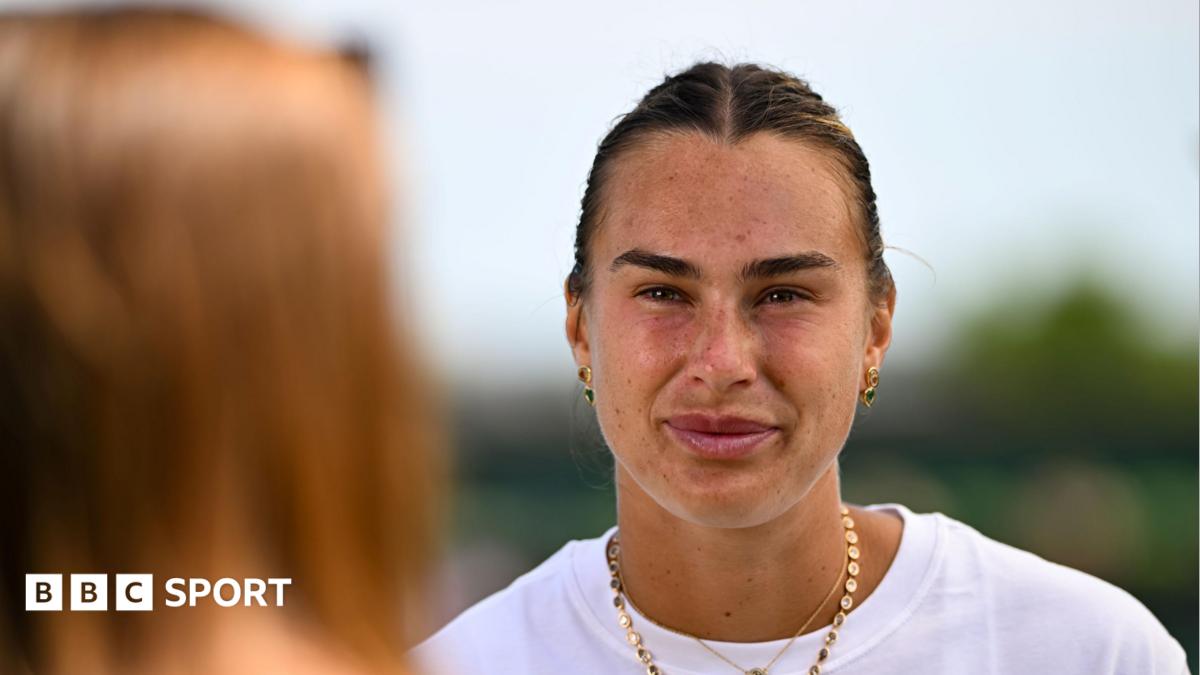
Wimbledon has become the latest flashpoint in tennis’s long-running argument over prize money, with leading players using their media access to make a point about how the sport rewards its biggest events. Aryna Sabalenka, one of the most recognisable names in the women’s game and a four-time major champion, has said she hopes the dispute does not escalate into another full-scale boycott of Grand Slam media duties.
The issue matters because Wimbledon is not just another tournament. It is the sport’s most visible stage, where player comments, press-room tensions and off-court politics often carry as much weight as the results on court. When top players reduce their media availability, it sends a message beyond the immediate headlines: the debate over prize distribution is no longer confined to boardroom discussions or player meetings, but is now being acted out in public.
Why the protest matters at Wimbledon
According to the source, several of the leading names at the All England Club have limited their media appearances to 15 minutes this week as part of a protest over prize money at Grand Slam tournaments. That is significant because the majors generate the most revenue, the most attention and the biggest global audiences, yet the players are again questioning whether the financial split reflects their role in creating the product.
For supporters, the immediate effect is a more strained relationship between players and the media environment that surrounds the tournament. For the sport itself, the bigger concern is that this becomes a recurring cycle: frustration, symbolic protest, short-term disruption and then another round of negotiations without a lasting settlement.
Sabalenka’s stance and the wider player divide
Sabalenka’s comments suggest that not every player sees media restrictions as the best route forward, even if many share the underlying grievance. Her hope that the world’s leading players will not have to boycott Grand Slam media duties again points to a split in approach rather than a split in principle. In other words, the disagreement is not simply about whether prize money should be addressed, but about how aggressively players should push for change.
That distinction is important. Tennis does not have the same collective bargaining structure as some other major sports, so symbolic actions can become a substitute for formal leverage. But they can also create friction with tournaments, broadcasters and fans, especially at an event like Wimbledon where tradition and access are central to the brand.
For now, the story is less about a single press-room protest and more about what it reveals: the sport’s elite players remain dissatisfied with the economics of the Grand Slam model, and Wimbledon has once again become the place where that dissatisfaction is being made visible.
Source note: This article was prepared using publicly available information from BBC Sport and expanded with editorial context.
Share this content: