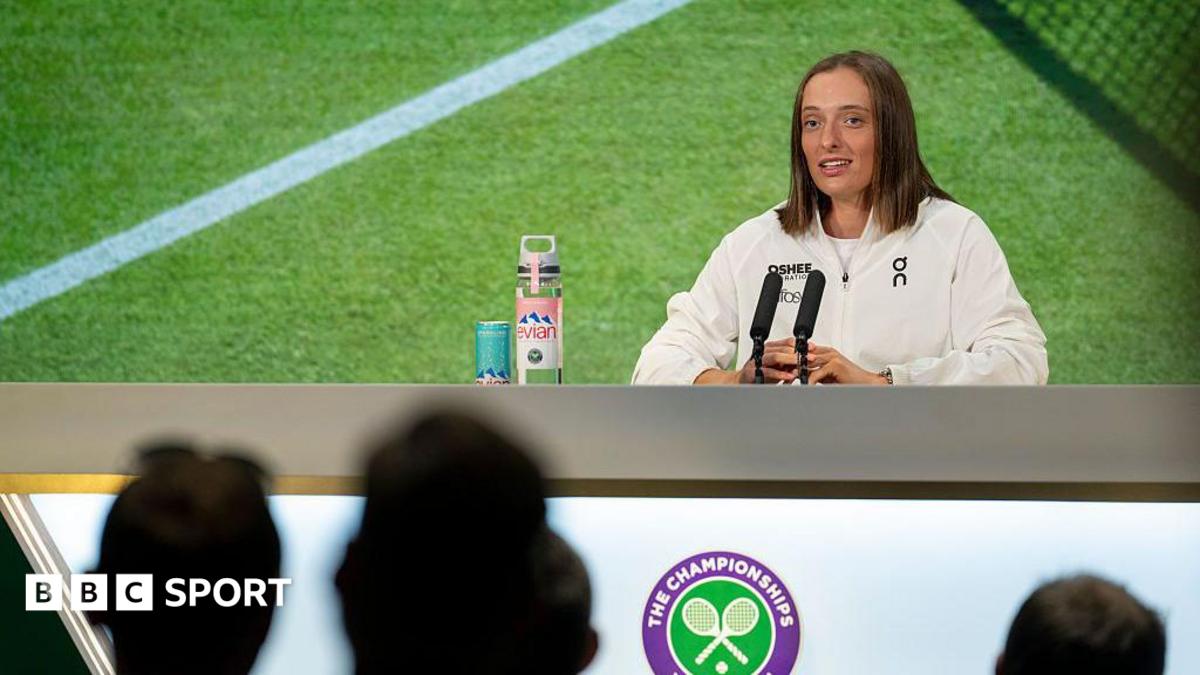
Leading players are preparing to widen their protest over prize money at Wimbledon, a development that adds another layer of tension to one of tennis’s most prestigious tournaments. According to BBC Sport, the move will go ahead even though the championship has already raised its prize fund by 20% this year.
The dispute matters because Wimbledon is not just another stop on the calendar. It is the sport’s most visible stage, where commercial value, tradition and player power often collide. When top names choose to make a collective point there, the message is aimed well beyond the All England Club. It speaks to a broader argument about how revenue is shared across the game, and how much of that money reaches the players who drive the product.
Why the protest matters at Wimbledon
Prize money debates are hardly new in tennis, but Wimbledon carries particular weight because of its global profile and financial scale. A 20% increase would normally be presented as a significant gesture, yet the fact that leading players still intend to protest suggests the issue is not simply about the size of the pot. It is about distribution, influence and the long-running tension between the sport’s elite events and the athletes who compete in them.
For supporters, the protest is likely to become part of the tournament narrative. Wimbledon is usually framed around grass-court excellence, title contenders and the sport’s traditions, but this story shifts attention to the economics behind the spectacle. That can be uncomfortable for organisers, yet it also reflects a modern reality: elite tennis is increasingly shaped by off-court negotiations as much as by match results.
What it could mean for the tournament
At this stage, the BBC report does not provide full details of how the protest will be expanded, but the direction of travel is clear. The players involved appear determined to keep pressure on the sport’s power structures, even with a larger prize fund on offer. That suggests the issue is likely to remain live throughout Wimbledon rather than fade after the opening days.
For the tournament itself, the challenge is reputational as much as practical. Wimbledon will still be judged on the quality of the tennis, but any visible protest will invite questions about fairness, player relations and the future of prize-money negotiations. For fans, it is a reminder that the biggest events in tennis are also political and economic battlegrounds, not just sporting showcases.
As the championship approaches, the protest adds a fresh storyline to follow alongside the action on court. The tennis may decide the champions, but the debate over prize money will ensure that Wimbledon’s off-court conversation is just as closely watched.
Source note: This article was prepared using publicly available information from BBC Sport and expanded with editorial context.
Share this content: