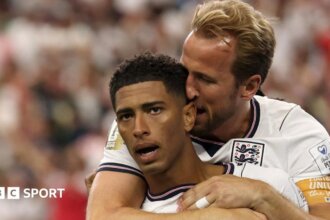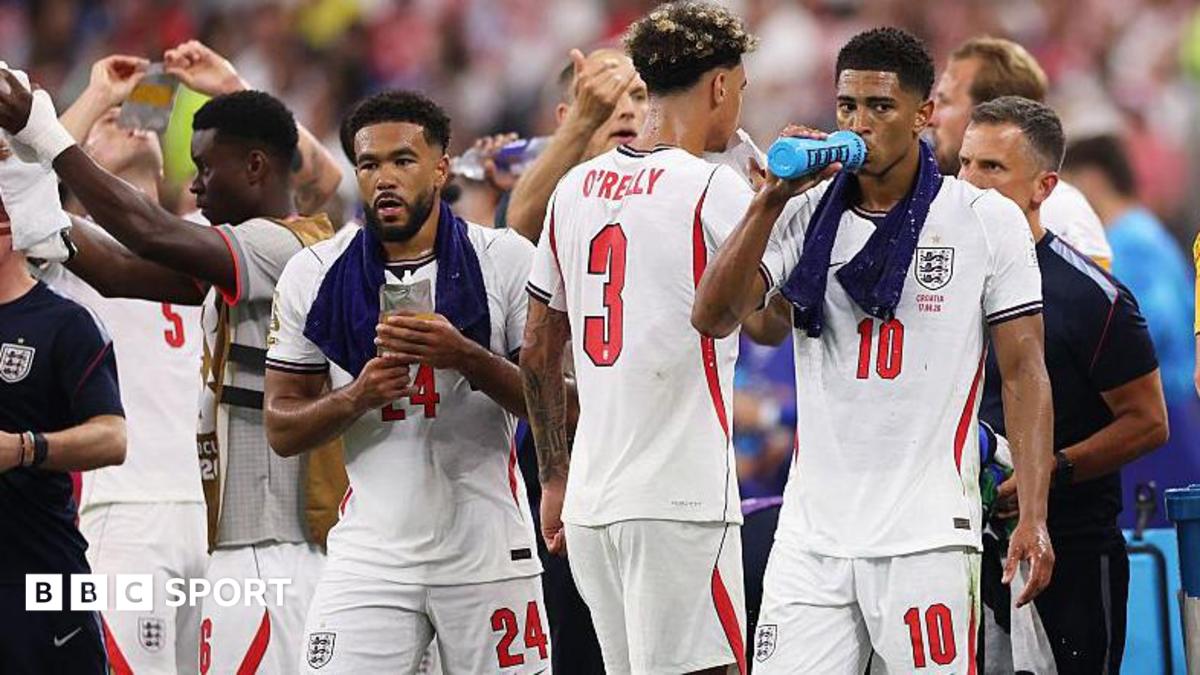
England’s 4-2 victory over Croatia offered the kind of opening result managers dream about at a major tournament: goals, control for long spells and three points on the board. But the wider conversation around the match was not only about the scoreline. According to BBC Sport, there were still boos during the game, with fan frustration again surfacing around hydration breaks and the stop-start rhythm they create.
That tension matters because it speaks to a broader issue in modern tournament football. Hydration breaks are designed with player welfare in mind, especially in hot conditions, but they also interrupt momentum and can change the atmosphere inside a stadium. For supporters, especially in a high-stakes World Cup setting, those pauses can feel like a break in intensity just when the match is building. For players and coaches, however, they can be a practical necessity and a tactical reset.
Why hydration breaks divide opinion
The BBC’s report captures a familiar split in the game: what is useful for players is not always popular with fans. In a tournament environment, the balance between entertainment, safety and competitive fairness becomes more visible. A hydration break can help players recover, receive instructions and reset shape, but it can also blunt pressing patterns, slow transitions and reduce the sense of flow that many supporters want from elite football.
That is especially relevant in a match like England against Croatia, where rhythm and control are often central to how the game is managed. When a team is on top, a pause can give the opponent a chance to regroup. When a team is under pressure, it can be a welcome chance to reorganise. Either way, the break becomes part of the tactical landscape rather than just a welfare measure.
What England’s win means beyond the scoreline
England will be pleased to have started with a victory, particularly in a competition where early momentum can shape the mood around a squad. A 4-2 result suggests attacking threat, but also leaves room for reflection defensively, because conceding twice in an opener can sharpen scrutiny even after a win. For supporters, that combination is familiar: optimism about the points, but questions about the details.
The boos reported during the match underline how quickly tournament football can become about more than the result. Fans are not only judging the performance; they are also reacting to the experience of watching the game itself. In that sense, hydration breaks have become a symbol of a wider debate about how football should be staged at the highest level.
For England, the practical takeaway is simple: the points are banked, and the campaign has begun positively. For the wider game, the discussion is less straightforward. If major tournaments continue to use hydration breaks, governing bodies may need to accept that the footballing logic and the spectator experience will not always align. That is the trade-off at the heart of the debate, and Wednesday’s match offered another reminder of it.
Source note: This article was prepared using publicly available information from BBC Sport and expanded with editorial context.
Share this content: