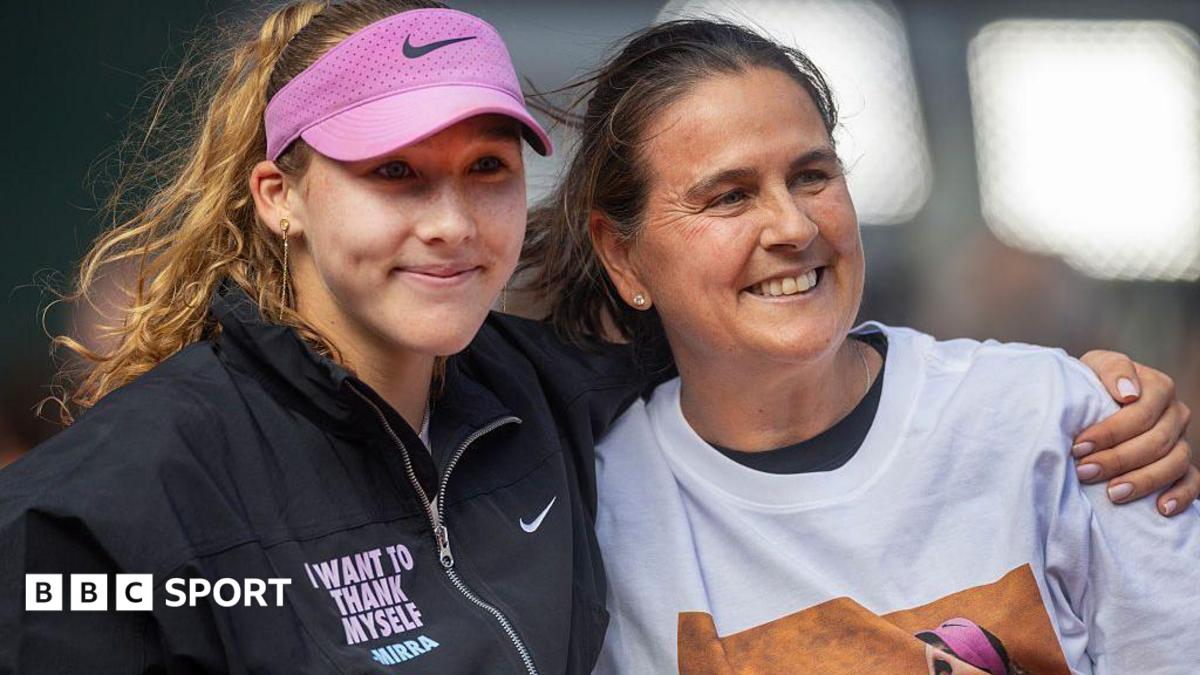
Female coaches are becoming more visible in tennis, but the BBC’s latest feature makes clear that visibility does not automatically mean equality. The coaching box is one of the sport’s most exposed spaces, and that matters because every reaction, instruction and body language cue is watched closely by fans, broadcasters and opponents alike.
That public scrutiny gives coaching in tennis a different edge from many other sports. It is not just about tactics or technical detail; it is also about authority, perception and the pressure to prove credibility in an environment that has long been shaped by stereotypes. For women trying to build coaching careers at the top level, the challenge is not only performance-based. It is also cultural.
Why the coaching box matters
In tennis, the coach is often visible throughout a match, sitting just a few metres from the player and the cameras. That makes the role unusually exposed. Supporters can see the emotional dynamics in real time, and any coaching relationship is instantly judged through the lens of results. When a coach is a woman, that visibility can sharpen both opportunity and criticism.
The BBC feature points to the broader rise of female coaches as a meaningful development for the sport. It suggests tennis is slowly widening the profile of who gets to lead elite players, which is important not only for representation but also for the practical pipeline of future coaches. For young women entering the game, seeing women in those roles can help normalise a path that once looked closed off.
More than representation
This is not simply a symbolic story. Coaching at the highest level is about trust, communication and the ability to solve problems under pressure. In a sport where margins are tiny, the quality of the relationship between player and coach can influence confidence, match management and long-term development. The rise of female coaches therefore has implications beyond the headline: it can reshape how teams are built and how authority is understood in elite tennis.
For supporters, the story is also about the evolution of the sport itself. Tennis has often presented itself as progressive, but the coaching landscape has not always reflected that image. A growing number of female coaches suggests change, yet the BBC’s framing shows that old assumptions still linger. Battling egos and stereotypes is part of the job, and that battle is still ongoing.
As tennis continues to globalise and professionalise, the coaching conversation will remain important. The more the sport broadens who gets to lead, the more it can expand its talent pool and challenge outdated ideas about authority on court. That makes the rise of female coaches not just a social development, but a sporting one too.
Source note: This article was prepared using publicly available information from BBC Sport and expanded with editorial context.
Share this content: