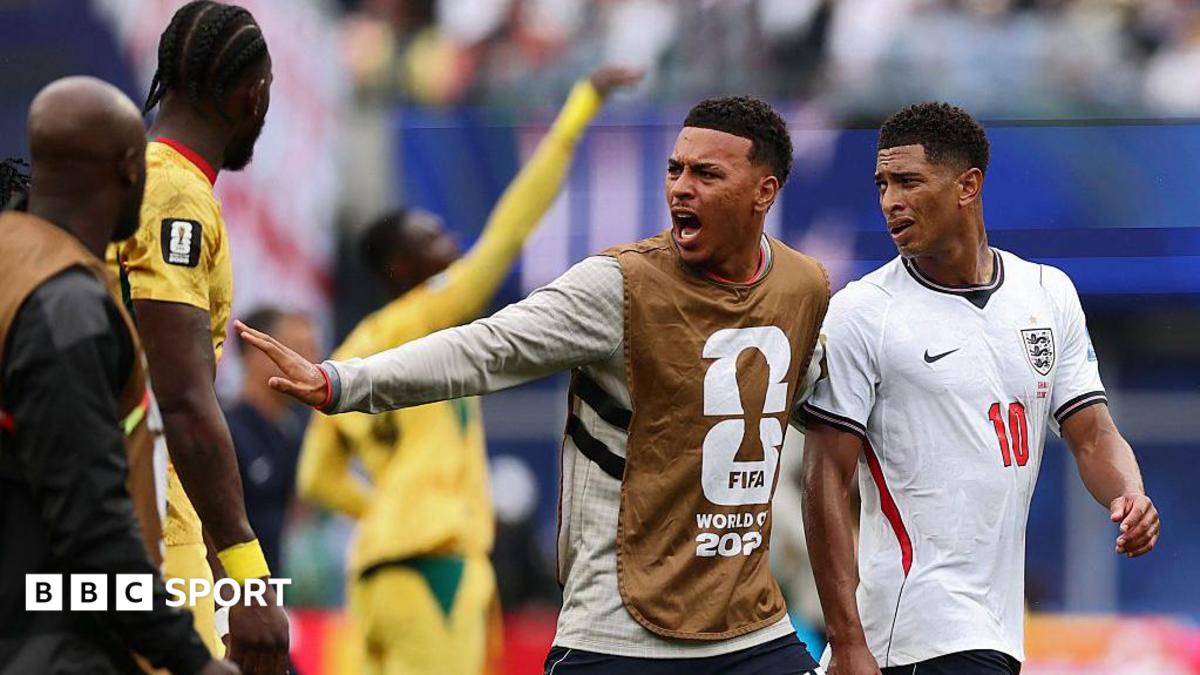
Thomas Tuchel has moved to calm the temperature around Jude Bellingham after the England midfielder was involved in a tense half-time exchange with Ghana boss Carlos Queiroz during Tuesday’s goalless draw. The incident, which followed a challenge Tuchel described in blunt terms, quickly became the talking point from a match that otherwise offered little in the way of goals or clear-cut drama.
For England, the episode is a reminder of how central Bellingham has become to the team’s emotional and tactical identity. He is no longer just a talented midfielder in the side; he is one of the players opponents target, test and attempt to unsettle. That brings a different kind of pressure, especially in matches where the football itself is tight and the margins are small.
Tuchel’s defence highlights Bellingham’s importance
Tuchel’s intervention matters because it frames the row as part of the competitive edge that comes with elite international football rather than a disciplinary issue that needs escalating. Managers often defend players in these situations, but the public backing is still significant when the player involved is one of England’s most high-profile names. Bellingham’s profile means every reaction is magnified, and every confrontation is likely to be replayed and debated.
That scrutiny is unlikely to disappear. Bellingham has built a reputation for intensity, leadership and a willingness to engage physically and mentally in matches. Those traits are often celebrated when they help England control midfield or raise the team’s level, but they can also create flashpoints when opponents respond in kind. The challenge for England is to keep that edge without letting it spill into avoidable confrontations.
What it means for England supporters
For supporters, the bigger picture is less about the row itself and more about what it says about England’s current competitive culture. Tuchel’s defence suggests the staff are comfortable with Bellingham’s personality and see it as an asset rather than a problem. That will reassure fans who want their best players to show authority and fight, particularly in matches where England are not at their fluent best.
At the same time, the incident is a useful warning. In tightly contested games, moments of frustration can distract from the football and hand momentum to the opposition. England will want Bellingham’s aggression channelled into decisive actions in midfield and around the final third, not into side stories that dominate the post-match conversation.
With the draw ending without goals, the row may fade quickly in the wider record of the game. But the reaction to it underlines Bellingham’s status: when he is involved, people notice. For England, that is both a sign of his importance and a reminder of the responsibility that comes with it.
Source note: This article was prepared using publicly available information from BBC Sport and expanded with editorial context.
Share this content: