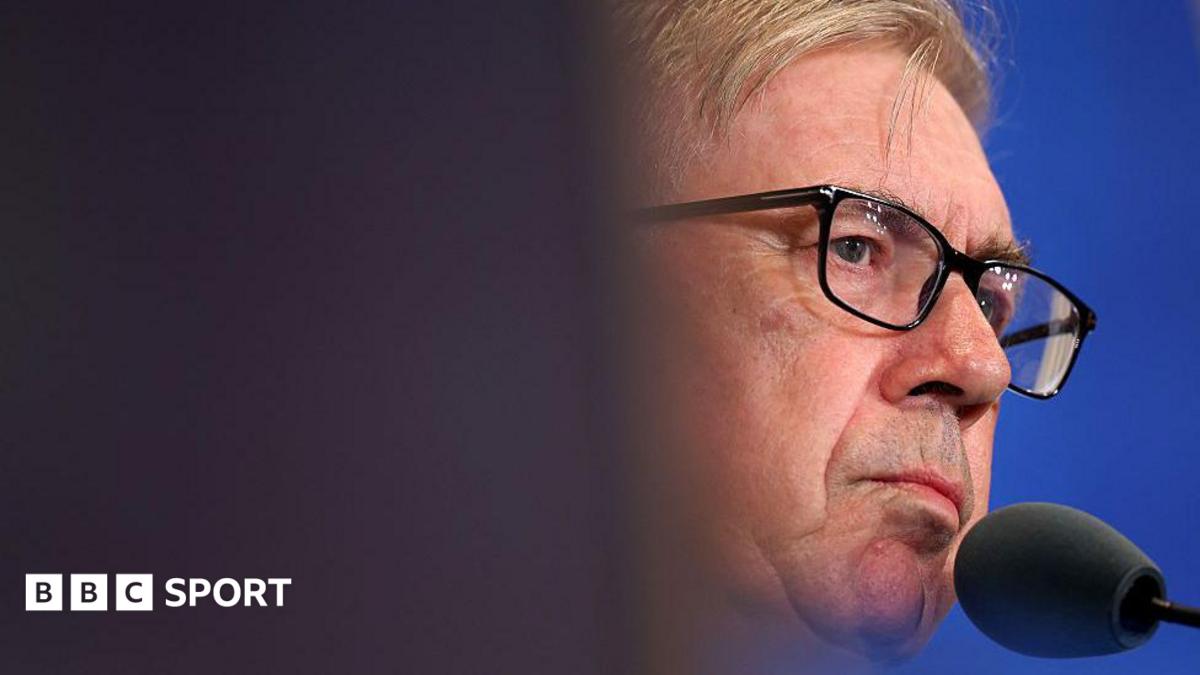
Carlo Ancelotti’s arrival in Brazil is being judged against one of the heaviest expectations in international football: ending a 24-year wait for World Cup success. For a country that treats the tournament as a national benchmark rather than a seasonal target, the pressure is immediate and unavoidable. The BBC’s framing of the story makes clear that this is not simply about a new coach taking charge; it is about whether one of the game’s most decorated managers can translate club-level authority into international redemption.
Why Ancelotti’s Brazil job carries such weight
Brazil’s relationship with the World Cup is built on history, identity and expectation. Any manager stepping into the role inherits not just a squad, but a public demand for restoration. That is what makes Ancelotti’s appointment so significant. His reputation has been built on calm control, tactical flexibility and the ability to manage elite dressing rooms, qualities that could matter greatly in a tournament environment where margins are thin and emotional pressure is high.
The challenge, however, is different from club football. International managers have less time to shape patterns, fewer training sessions to correct problems and far less room for error in qualification and tournament preparation. That means Ancelotti’s influence will likely be judged as much by clarity and selection as by results. For Brazil supporters, the hope is that his experience can bring structure to a team that has often been expected to win through talent alone.
What it means for Brazil supporters
For supporters, this is a familiar but difficult moment. Brazil remain one of the sport’s defining powers, yet the absence of a World Cup title for 24 years has become a burden that grows heavier with each cycle. Ancelotti’s presence offers a sense of authority and a belief that the team can be rebuilt around discipline as well as flair. That balance may be crucial if Brazil are to compete with the most organised sides in the tournament.
There is also a broader implication for how Brazil are viewed internationally. A successful Ancelotti tenure would reinforce the idea that elite coaching can still elevate even the most naturally gifted national teams. Failure, by contrast, would deepen the sense that the gap between Brazil’s reputation and their recent World Cup output remains unresolved. Either way, the story is already about more than one appointment: it is about whether Brazil can finally turn expectation into achievement.
As BBC Sport’s report suggests, the mission is simple to state but difficult to deliver. Ancelotti has been hired into a job where history is the opponent as much as any rival nation, and every decision will be measured against the same question: can he end Brazil’s long wait for world football’s biggest prize?
Source note: This article was prepared using publicly available information from BBC Sport and expanded with editorial context.
Share this content: