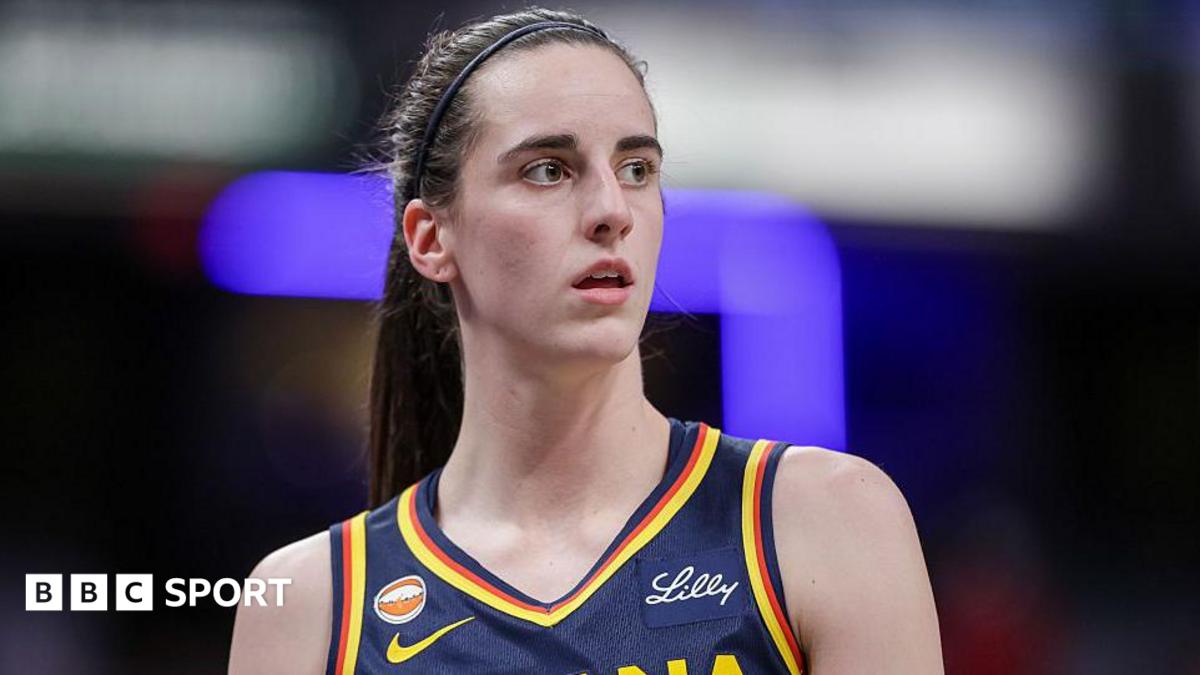
Indiana Fever head coach Stephanie White has turned the spotlight back on the way Caitlin Clark is being officiated, accusing referees of allowing a level of contact she believes crosses the line. White’s criticism, described in the source as “egregious” and “utterly disrespectful”, adds fresh heat to a debate that has followed Clark from college basketball into the WNBA.
For Fever supporters, this is about more than one postgame complaint. Clark arrived in Indiana as the most watched player in the women’s game, having driven record-breaking viewing figures with the Iowa Hawkeyes before being taken with the number one pick in the 2024 WNBA Draft. That profile brings obvious commercial value, but it also means every hard foul, every whistle and every non-call is magnified.
Why the officiating debate matters
White’s comments matter because they speak to a wider concern around player protection. When a star guard is repeatedly targeted with physical defence, the line between competitive intensity and dangerous play becomes central to the conversation. The phrase “cheap shots” used in the source reflects the feeling that some of the contact Clark is absorbing is not simply part of normal defensive pressure.
That has tactical implications too. If defenders are allowed to be more aggressive on the ball, it can disrupt Indiana’s spacing, slow Clark’s rhythm and force the Fever into less efficient possessions. In practical terms, the officiating standard can shape how freely Indiana can run its offence and how much control Clark has over the game.
What it means for the Fever and the league
For Indiana, the issue is not only about protecting a franchise player, but about keeping her available and effective over the course of a long season. The Fever have built much of their attention around Clark’s arrival, and any suggestion that she is being treated differently by officials will only intensify scrutiny on the league.
For the WNBA, this is the kind of story that extends beyond one team. Clark’s popularity has already expanded the audience, and the league now has to balance physical play with the expectation that its biggest names are protected consistently. White’s intervention makes clear that coaches are watching that balance closely.
Supporters will see this as part of the growing pains of a league adjusting to unprecedented attention. The challenge now is whether officiating standards can keep pace with the intensity surrounding Clark, because the longer the debate continues, the more every game becomes a referendum on how the WNBA handles its brightest star.
Source note: This article was prepared using publicly available information from BBC Sport and expanded with editorial context.
Share this content: