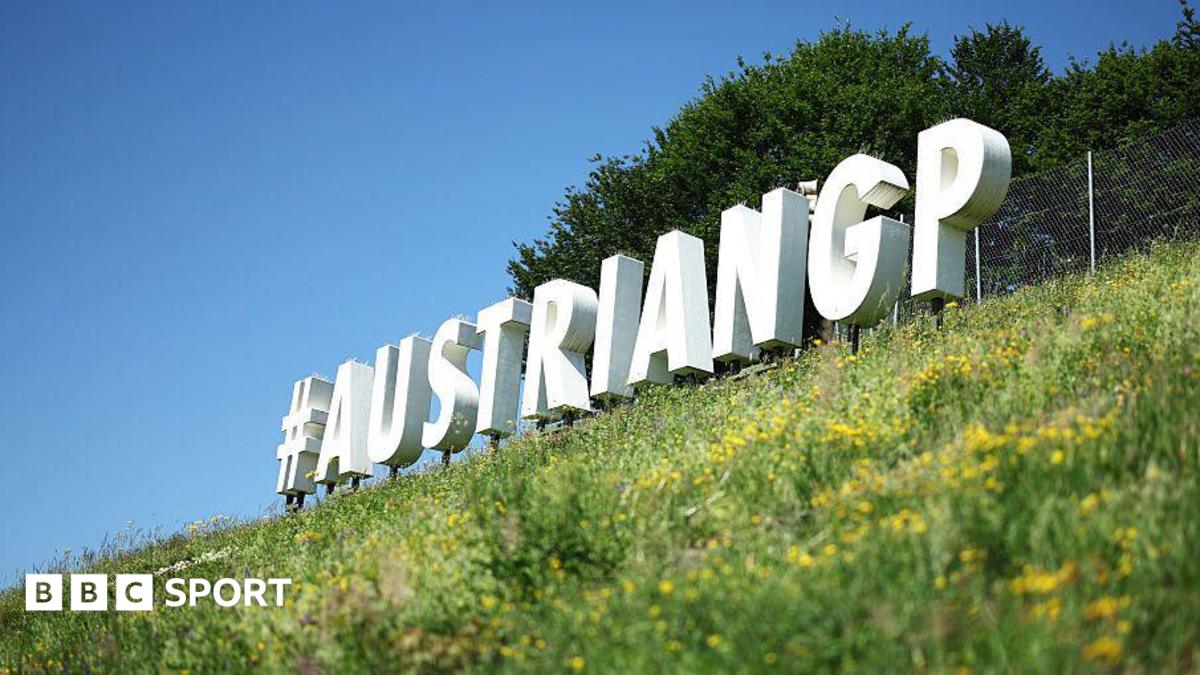
The Austrian Grand Prix has been officially classified as a heat-hazard race by Formula 1’s governing body, the FIA, after a heatwave raised conditions for this weekend’s event. While the headline is not about on-track controversy or a sporting penalty, it is still a meaningful development for teams, drivers and supporters because it changes the way the race weekend is approached from a performance and safety perspective.
In Formula 1, extreme weather can be as influential as tyre strategy or qualifying pace. A heat-hazard designation is a reminder that race management is not only about speed, but also about protecting drivers and ensuring cars, tyres and equipment can cope with punishing temperatures. For a circuit like the Red Bull Ring in Spielberg, where margins are often tight and race pace can swing quickly, the heat may become a decisive factor in how teams manage stints and preserve performance.
Why the FIA designation matters
The FIA’s decision signals that conditions are serious enough to warrant extra attention. For drivers, that can mean a physically tougher race, with higher cockpit temperatures and greater dehydration risk. For engineers and strategists, it can mean a more delicate balance between outright pace and reliability, especially if tyre degradation increases in the heat.
Supporters following the Austrian Grand Prix should therefore expect the weekend to be shaped not just by the usual qualifying battles and pit-wall calls, but also by how well each team adapts to the weather. In modern Formula 1, the best-prepared teams often gain an edge when conditions are extreme, and that can make a race feel less predictable than the form guide suggests.
What it could mean for the race
Heat can alter the competitive order in subtle but important ways. Cars that are gentle on tyres may become more valuable, while teams that struggle to keep temperatures under control can lose performance over a stint. That creates opportunities for midfield runners to capitalise if front-runners are forced into compromise strategies or face greater wear than expected.
For fans, the heat-hazard label adds another layer of intrigue to a race already known for close racing and strategic variation. It does not guarantee drama, but it does increase the likelihood that the weekend will be decided by adaptation as much as raw speed. In that sense, the FIA’s warning is not just administrative detail; it is a clue that the Austrian Grand Prix may be shaped by the weather as much as by the stopwatch.
BBC Sport also referenced a separate F1 Q&A item on Pierre Gasly’s podium, but the verified news in this report is the FIA’s heat-hazard classification for the Austrian Grand Prix weekend.
Source note: This article was prepared using publicly available information from BBC Sport and expanded with editorial context.
Share this content: