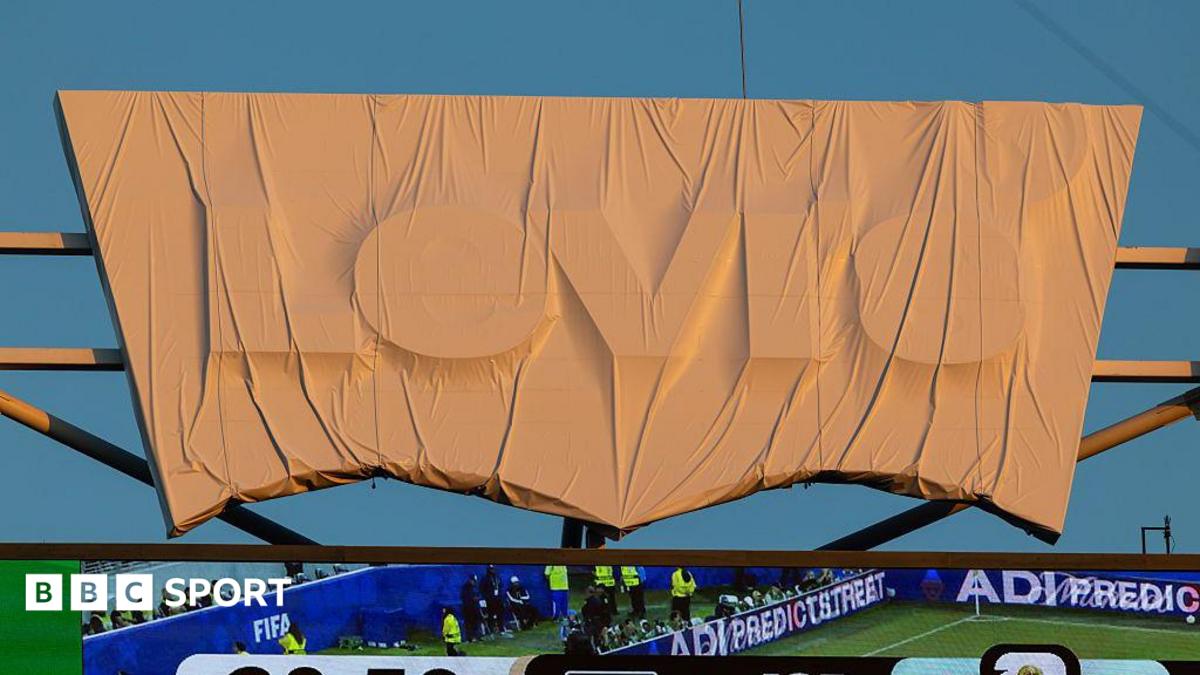
The World Cup is usually sold as football’s purest global stage, but it is also one of the most tightly controlled commercial properties in sport. That tension is at the heart of BBC Sport’s look at how brands such as Levi’s, Heinz and Beats ended up becoming part of the tournament conversation even though they were not meant to be among the headline sponsors.
For supporters, the commercial layer around a World Cup is easy to miss until it becomes impossible to ignore. Official partners dominate the perimeter boards, broadcast graphics and hospitality spaces, while non-sponsors are expected to stay out of the frame. Yet the BBC’s report shows how, in practice, the tournament’s cultural reach can pull in brands that were never supposed to benefit from the spotlight.
Why the World Cup commercial battle matters
That matters because the World Cup is not only a football tournament but also a global marketing event. Brands pay heavily for association with the competition, and organisers work hard to protect those rights. When a non-sponsor becomes part of the story anyway, it raises questions about how far commercial control can really go when the event is watched and discussed across the world.
The BBC’s framing suggests that the issue is less about a single advertising trick and more about the way modern football media works. A brand can become visible through fan culture, social media, fashion, music or everyday conversation, even if it has no official place in the tournament’s sponsorship structure. In that sense, the World Cup is not just a sporting event but a cultural marketplace where attention itself becomes valuable.
What it means for fans and football’s image
For fans, the story is a reminder that the World Cup experience is shaped by more than the 90 minutes on the pitch. The brands attached to the tournament help define its look and feel, but so do the unofficial names that manage to enter the public conversation. That can be entertaining, but it also underlines how commercial football has become and how difficult it is to separate the sport from the business around it.
BBC Sport’s article does not present this as a simple scandal. Instead, it points to a broader reality: the World Cup is so powerful that even brands outside the official structure can become part of its narrative. For football followers, that is both a sign of the tournament’s reach and a reminder of how carefully the modern game is packaged.
Source note: This article was prepared using publicly available information from BBC Sport and expanded with editorial context.
Share this content: