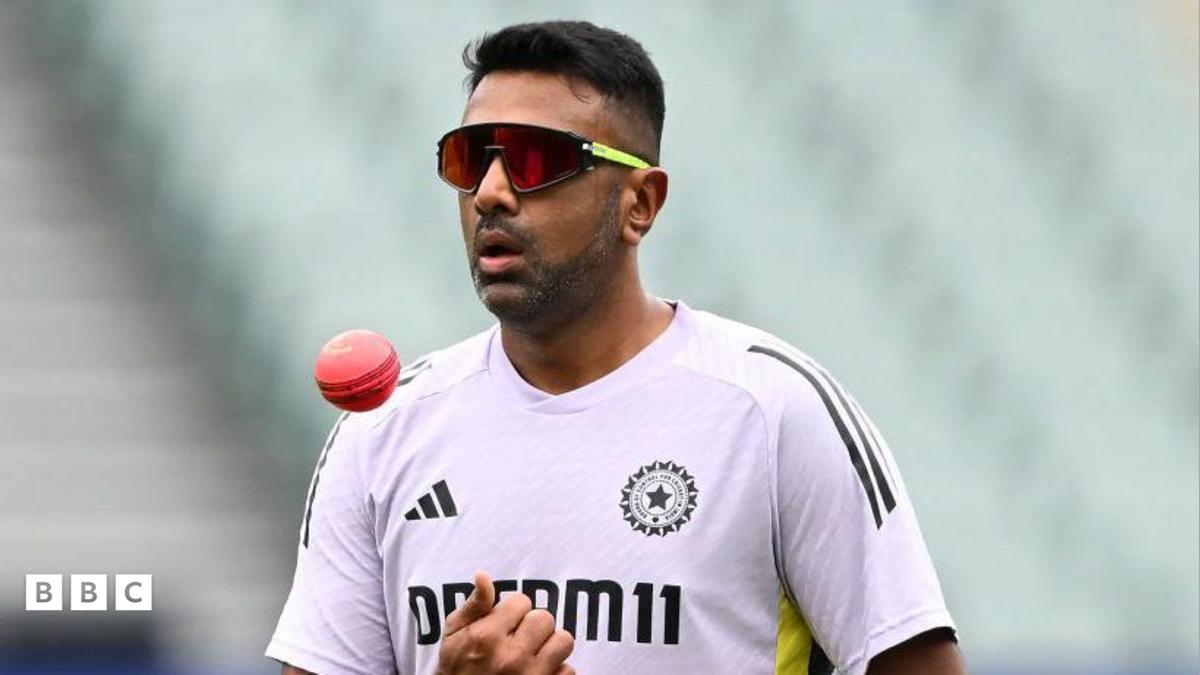
Ravichandran Ashwin’s latest comments have put fresh focus on one of the most persistent talking points in modern franchise cricket: the absence of India’s active players from overseas leagues. According to the BBC source, the veteran off-spinner does not expect that to change in the near future, and he specifically pointed to The Hundred as one competition where India players are unlikely to appear soon.
For supporters of The Hundred, that matters because the tournament has increasingly leaned on star power, international variety and marketable match-ups to build its identity. Yet the Indian men’s domestic and international system has long operated under a different set of rules, with active India players generally unavailable for foreign franchise competitions. Ashwin’s remarks therefore do not read as a prediction of a single squad omission, but as a reminder of a structural reality that shapes the global cricket calendar.
Why Ashwin’s view matters
Ashwin is not just another former player offering a passing opinion. As one of India’s most recognisable modern cricketers, his perspective carries weight because he understands both the demands of elite international cricket and the commercial pull of franchise leagues. When he says India players are unlikely to feature in The Hundred or similar competitions soon, he is effectively reinforcing the idea that any major shift would require broader policy change rather than isolated exceptions.
That has implications for the competition itself. The Hundred has continued to evolve its squads and profile, with wildcard signings and roster changes helping maintain interest. But the absence of India’s active stars limits the league’s ability to tap into one of the sport’s biggest audiences. For broadcasters, sponsors and fans, that remains a significant commercial and sporting factor.
What it means for The Hundred
The immediate takeaway is not that The Hundred lacks quality, but that its ceiling is shaped by the availability of players from the game’s biggest market. India’s cricketers are central to the sport’s global economy, and their non-participation in overseas leagues leaves a noticeable gap in the international franchise landscape.
For English cricket, that means The Hundred must continue to build its own identity through domestic talent, overseas signings from other nations and the tournament’s short-format appeal. The competition has already shown it can generate interest without India players, but Ashwin’s comments underline why their absence remains a recurring theme whenever franchise cricket is discussed.
For India supporters, the message is familiar rather than surprising. The pathway into overseas franchise cricket remains closed for active India players, and Ashwin’s remarks suggest that is unlikely to change imminently. In practical terms, that keeps the focus on domestic competitions, international fixtures and the Indian Premier League as the main stages for India’s leading cricketers.
As a result, the BBC report is less about a transfer-style development and more about the wider politics of cricket’s franchise era. Ashwin has highlighted a boundary that still defines the sport: even as leagues expand and compete for attention, India’s active players remain outside that market, and The Hundred is no exception.
Source note: This article was prepared using publicly available information from BBC Sport and expanded with editorial context.
Share this content: