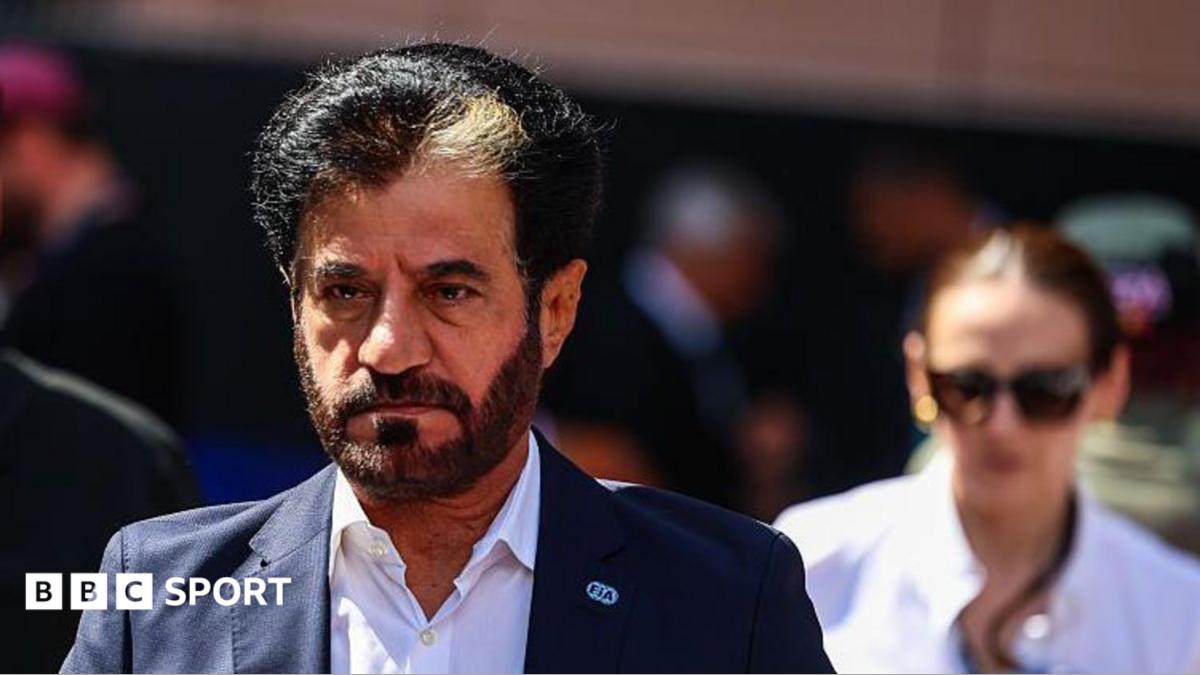
Formula 1’s governing body, the FIA, has approved a major constitutional change that removes the previous limit of three four-year terms for its president. The proposal, put forward by current FIA president Mohammed Ben Sulayem, passed by a majority of more than 90%, marking a significant shift in how the organisation can be led in future.
While the decision is not a sporting result in the traditional sense, it matters to the wider motorsport landscape because the FIA sits at the centre of Formula 1’s regulatory and political structure. Any change to its leadership rules has implications for continuity, accountability and the balance of power inside a body that oversees the championship’s governance, safety standards and rule-making framework.
What the vote means for FIA leadership
The removal of term limits gives the FIA the option of keeping a president in office beyond the previous maximum of 12 years, should members continue to support that individual. In practical terms, the vote strengthens the possibility of long-term leadership continuity at a time when the FIA remains under close scrutiny from teams, drivers and fans over how the sport is governed.
Ben Sulayem’s proposal was approved decisively, suggesting broad backing among those voting. That level of support is notable because governance changes at the top of a global sporting federation often attract debate over transparency, reform and institutional stability. For supporters of Formula 1, the key question is whether this change leads to clearer leadership or simply extends the influence of one administration for longer.
Why this matters for Formula 1
The FIA’s president does not decide race outcomes, but the role is central to the framework that shapes the championship. From regulations to disciplinary matters and the sport’s broader direction, the organisation’s leadership can affect how stable or contentious a Formula 1 season feels off the track. A rule change like this therefore has indirect but real consequences for the competitive environment.
For fans, the significance lies in governance rather than grid positions. Formula 1 has increasingly been defined not only by on-track battles but also by debates over stewardship, consistency and trust in the institutions that run the sport. This vote suggests the FIA is willing to reshape its own structure, and the next phase will be judged by how that decision is reflected in the body’s relationship with the sport it governs.
The development is also a reminder that Formula 1’s future is shaped as much in meeting rooms as it is on circuits. Leadership rules may seem distant from the action, but they influence the tone and direction of the championship behind the scenes. With the FIA now able to move beyond the old term cap, attention will turn to how this affects the organisation’s long-term stability and its standing within motorsport.
Source note: This article was prepared using publicly available information from BBC Sport and expanded with editorial context.
Share this content: