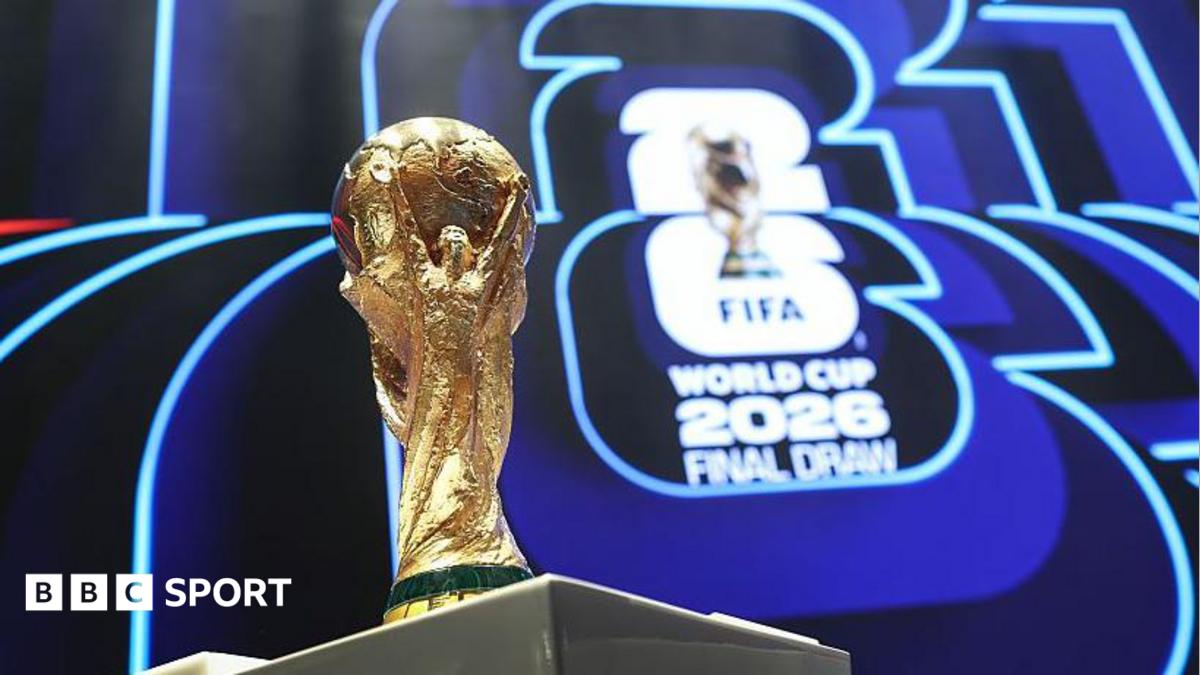
The expanded 48-team World Cup was designed to widen access and create more opportunities for nations and supporters around the globe. But the BBC’s analysis points to an early problem with the format: the group stage has not yet delivered enough genuine jeopardy. That matters because the World Cup’s appeal has always rested not just on scale, but on tension. Fans expect every match to carry consequences, and when too many games feel safe, the tournament’s edge begins to soften.
That concern is not simply aesthetic. In football, format shapes drama. The best international tournaments are remembered for matches where one mistake can end a campaign, where underdogs can force a giant into panic, and where late goals change the entire direction of a group. If the new structure reduces the number of those moments, the competition risks becoming more predictable even as it becomes larger.
Why jeopardy matters in tournament football
Jeopardy is what turns a group-stage fixture into must-watch television. It gives supporters a reason to stay engaged beyond their own national team, because every result can alter the path to the knockout rounds. When the stakes are diluted, the tournament can feel longer without necessarily feeling better. That is the central issue raised by the BBC piece: the World Cup may now include more teams, but inclusion alone does not guarantee excitement.
For FIFA, the challenge is balancing expansion with competitive integrity. More nations at the finals can be a positive for global representation, development and visibility. Yet the tournament also has to protect the qualities that made it special in the first place. If the group stage becomes a sequence of low-risk matches, supporters may begin to question whether the trade-off is worth it.
What this means for supporters and the tournament’s future
For fans, the concern is straightforward: a bigger World Cup should not mean fewer meaningful games. Supporters want drama, uncertainty and the sense that every point matters. They also want the tournament to reward ambition rather than caution. If the format encourages too many teams to play conservatively, the spectacle can suffer.
The BBC’s framing suggests that the debate over the 48-team World Cup is moving beyond theory and into live evidence. The early signs point to a competition that may be broader in reach but less intense in its opening phase. That does not mean the format cannot work, but it does mean the organisers will face growing scrutiny over whether expansion has come at the expense of the tournament’s competitive soul.
As the World Cup continues to evolve, the key question is whether more teams can coexist with more jeopardy. For now, the answer appears uncertain — and that uncertainty is exactly what makes the debate so important.
Source note: This article was prepared using publicly available information from BBC Sport and expanded with editorial context.
Share this content: