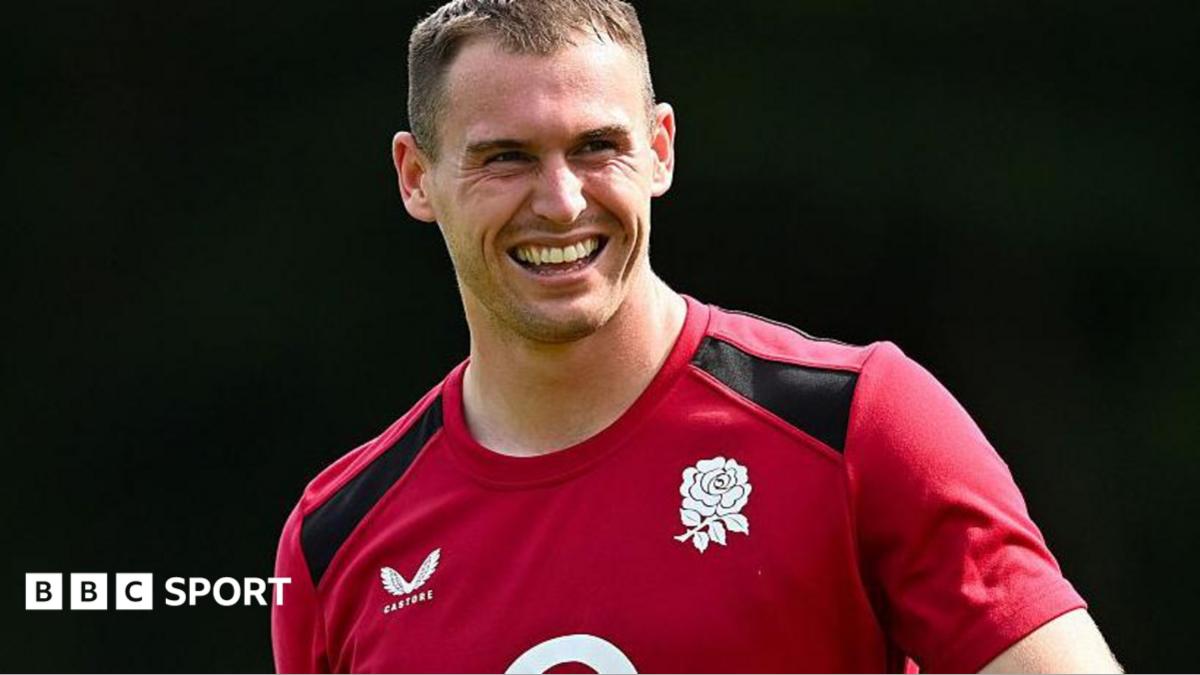
England’s back-three picture has been disrupted again, with Sale wing Tom Roebuck brought into Steve Borthwick’s squad as injuries continue to reshape the head coach’s options. The move underlines how quickly selection plans can change at international level, especially in a position group that relies heavily on pace, aerial security and continuity between wing and full-back.
Roebuck gets his chance as England reshuffle
Roebuck’s call-up is the clearest sign yet that England are having to adapt rather than simply select from a settled pool. While the BBC report does not detail the full extent of the injury list, it does make clear that Borthwick is managing a back-three juggle, which usually means the balance of the side is being affected as much as the individual absences themselves.
For a wing, a late squad addition can be both opportunity and challenge. It offers a route into the international environment, but it also demands rapid adjustment to Test-match detail, defensive spacing and the kicking game. England’s back-three players are expected to do more than finish chances; they are central to field position, counter-attack and the team’s response under pressure.
What the selection means for England
From a tactical perspective, injuries in the back three often force coaches to reconsider the entire shape of the backline. A change on the wing can influence kick-return strategy, aerial contesting and the way England build exits from their own half. That makes Roebuck’s inclusion more than a simple replacement: it is part of a wider attempt to preserve balance in a key area of the team.
For supporters, the news will be read in two ways. On one hand, England are clearly dealing with a frustrating run of injuries that limits continuity. On the other, Roebuck’s promotion offers a fresh storyline and a chance for a Sale player to stake a claim at international level. In a squad environment shaped by availability as much as form, these are often the moments when new Test careers begin to take shape.
The BBC’s report also points to the broader reality of modern international rugby: selection is rarely static. Coaches must be ready to react quickly, and players outside the core group need to stay prepared for sudden opportunities. Roebuck now finds himself in that position, with England’s back-three reshuffle giving him a chance to make an impression if called upon.
With Borthwick forced to manage the fallout from injuries, England’s next steps will be watched closely not only for who starts, but for how the side adapts. In that sense, Roebuck’s inclusion is a small but significant indicator of where the squad stands: still competitive, but no longer able to rely on the same back-three combinations.
Source note: This article was prepared using publicly available information from BBC Sport and expanded with editorial context.
Share this content: