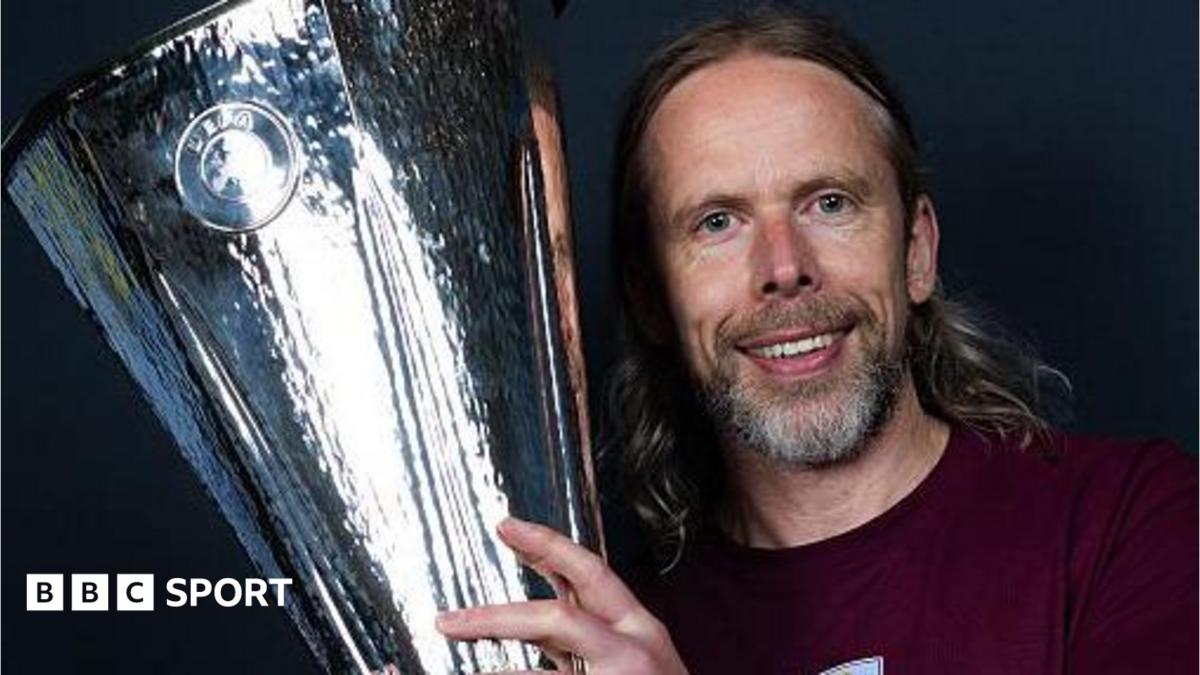
Set pieces have become one of football’s most valuable margins, and BBC Sport’s feature on a Scottish specialist working with Portugal underlines why. In a tournament environment where open-play chances can be scarce, dead-ball routines often decide whether a team advances or goes home. That is the wider significance of this story: not just who is behind the ideas, but how much modern international football now depends on them.
The BBC piece points to the growing influence of a Scottish set-piece coach in Portugal’s World Cup plans, using Aston Villa’s Europa League win over Freiburg as an example of how carefully drilled routines can translate into decisive goals. The moment involving Youri Tielemans’ opener is presented as a reminder that these details are no longer side notes. They are central to elite preparation.
Why set pieces matter at World Cup level
At international tournaments, teams often face opponents who are evenly matched in possession, athleticism and structure. That makes corners, free kicks and throw-ins disproportionately important. A well-rehearsed movement, a disguised run or a perfectly timed delivery can break a game open without requiring long spells of control. For Portugal, a side traditionally associated with technical quality and attacking talent, sharpening that edge could be a major advantage.
The BBC’s framing suggests that the Scottish coach’s value lies in turning repetition into reliability. Supporters may not always notice the work until a goal arrives, but coaches and analysts know that set-piece success is usually built long before matchday. It is about patterns, timing, opponent scouting and the confidence to execute under pressure.
What it means for Portugal and their supporters
For Portugal fans, the appeal is obvious. In knockout football, where one moment can define a campaign, every extra route to goal matters. If Portugal can add a consistent set-piece threat to their attacking base, they become harder to defend against and less dependent on open-play inspiration alone.
The story also reflects a broader trend in elite football: specialist coaching is no longer a luxury. Clubs and national teams increasingly invest in narrow expertise because the margins are so fine. The BBC feature places a Scottish coach inside that evolution, showing how tactical detail from one part of the game can shape the ambitions of a World Cup contender.
That is why this is more than a profile piece. It is a reminder that modern tournament football is often won in the smallest spaces, and that the people designing those moments can be just as influential as the players finishing them.
Source note: This article was prepared using publicly available information from BBC Sport and expanded with editorial context.
Share this content: