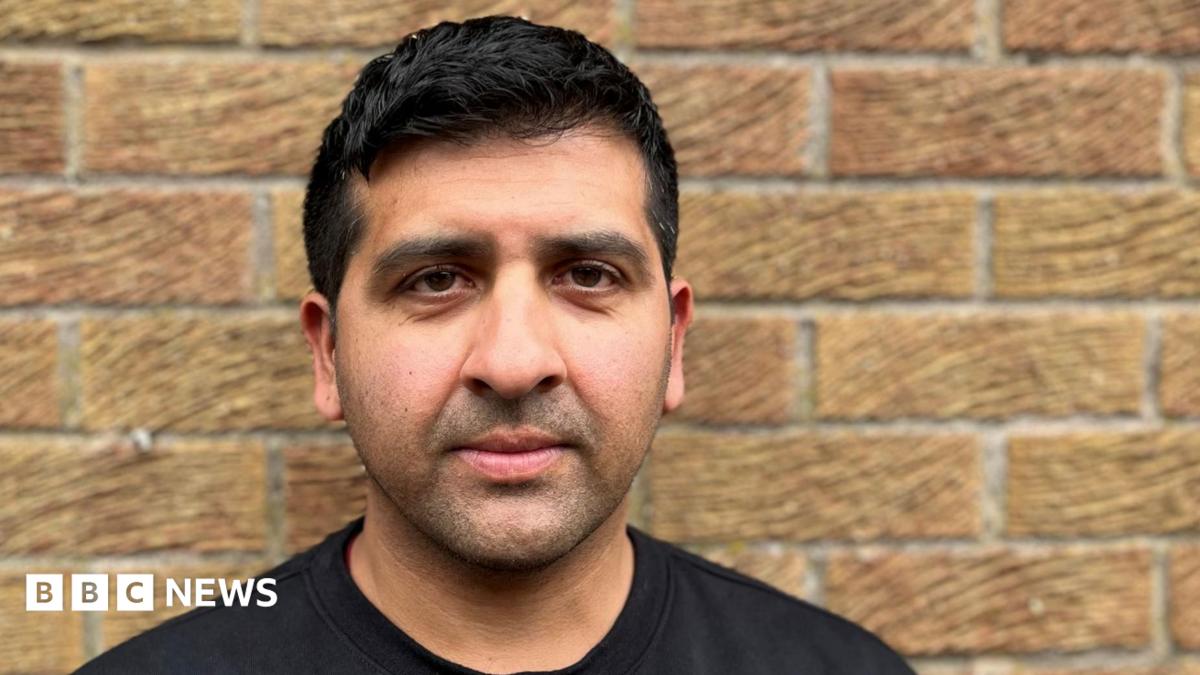
Cricket Scotland has publicly said it “regrets the hurt” endured by a former top cricketer who raised concerns about racism in the sport, a statement that places renewed attention on the governing body’s handling of inclusion and accountability.
The BBC report is brief, but the significance is clear: when a sporting organisation acknowledges the pain suffered by a whistleblower, it is not just a matter of language. It speaks to the wider culture around reporting discrimination, the trust players place in institutions, and whether those institutions are seen as safe places to speak up.
Why this matters beyond the statement
For supporters, this is about more than a single apology-style remark. Cricket has spent recent years under scrutiny across the game for how racism allegations are investigated and how seriously complaints are taken. In that context, Cricket Scotland’s wording will be read as an attempt to show that it understands the damage caused when concerns are not handled properly.
The governing body also said that “embedding a culture of inclusivity and fostering a diverse and equitable cricketing environment where every individual can participate, enjoy, and thrive” is central to its strategic priorities. That is a broad commitment, but it matters because such promises are only meaningful if they are backed by visible action: transparent processes, support for players and staff, and a willingness to confront uncomfortable truths.
The wider sporting and institutional context
Whistleblowers in sport often face a difficult choice. Speaking out can lead to change, but it can also bring isolation, reputational damage, and long-term personal strain. That is why statements like this are important: they can be a first step toward rebuilding confidence, even if they do not by themselves resolve the underlying issues.
For Cricket Scotland, the challenge is to convince people that this is not simply a reactive message. The real test will be whether the organisation can demonstrate consistency between its public commitments and the experience of those inside the game. For players, coaches, volunteers and supporters, that is what determines whether inclusion is a slogan or a standard.
At this stage, the BBC source provides only a limited set of facts, so the most responsible reading is cautious. Still, the message from Cricket Scotland is notable because it acknowledges harm directly and ties the issue to its long-term strategic priorities. In a sport where trust is hard won, that is a statement with implications well beyond one case.
Source note: This article was prepared using publicly available information from BBC Sport and expanded with editorial context.
Share this content: