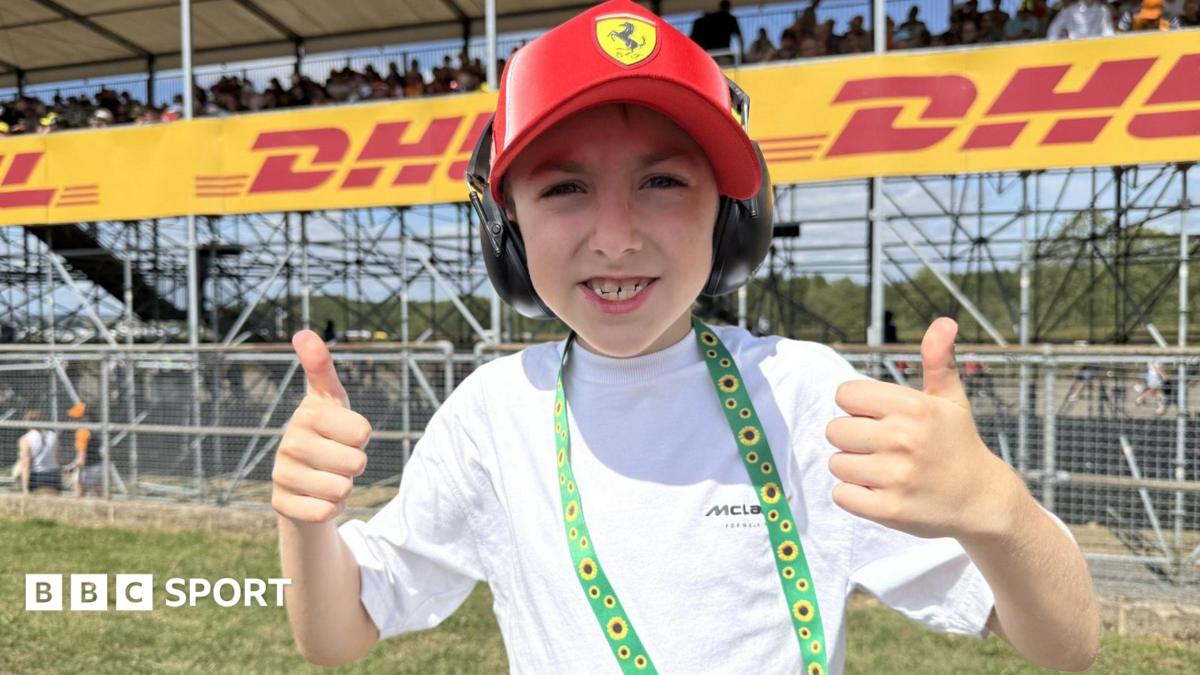
Formula 1 is usually sold as a sport of speed, precision and glamour, but the BBC’s latest feature shifts the focus to something far less visible: the sensory strain that can come with attending a race. The article, titled Formula 1 and my autistic son – navigating noise, crowds and chaos, uses one family’s experience to show how the sport’s atmosphere can be overwhelming for autistic supporters.
That matters because F1 events are built around intensity. Engines, music, crowd movement and tightly packed public spaces are part of the modern race-day experience, but those same elements can make access difficult for some fans. The BBC’s opening description of Joshua being halted by a sudden burst of noise and movement captures how quickly an ordinary moment can become disorientating in a crowded sporting environment.
Why this story matters beyond the grandstand
For football audiences, the wider lesson is familiar. Stadiums and major sports venues increasingly talk about inclusion, but the practical reality for neurodivergent supporters often depends on how well clubs and organisers manage noise, queues, crowd flow and safe spaces. This BBC feature places that issue in the context of Formula 1, where the scale of the event and the sensory load can be especially demanding.
The article is not about results, transfers or tactics, but it is still a sports story with real relevance for supporters. It highlights the gap between the spectacle marketed to the public and the experience of families who have to plan every movement around sensory triggers. For many readers, that will resonate with broader debates about accessibility in sport, from quiet areas and sensory rooms to better stewarding and clearer event information.
What supporters can take from the BBC feature
The value of the piece lies in its perspective. Rather than treating inclusion as a side issue, it shows that accessibility is central to whether a fan can enjoy the sport at all. That is important for governing bodies, promoters and venues, because the growth of live sport depends not only on entertainment value but on whether more people can safely and comfortably attend.
For families navigating autism, the challenge is often not the event itself but the unpredictability around it: noise spikes, dense crowds, sudden movement and the pressure of unfamiliar surroundings. By foregrounding Joshua’s experience, the BBC article gives a human frame to a conversation that is often reduced to policy language.
In that sense, the story is less about Formula 1 as a competition and more about what modern sport asks of its audience. The best venues are not just the loudest or the most dramatic; they are the ones that make room for different kinds of supporters. That is the underlying message of this feature, and it is one that extends well beyond the race track.
Source note: This article was prepared using publicly available information from BBC Sport and expanded with editorial context.
Share this content: