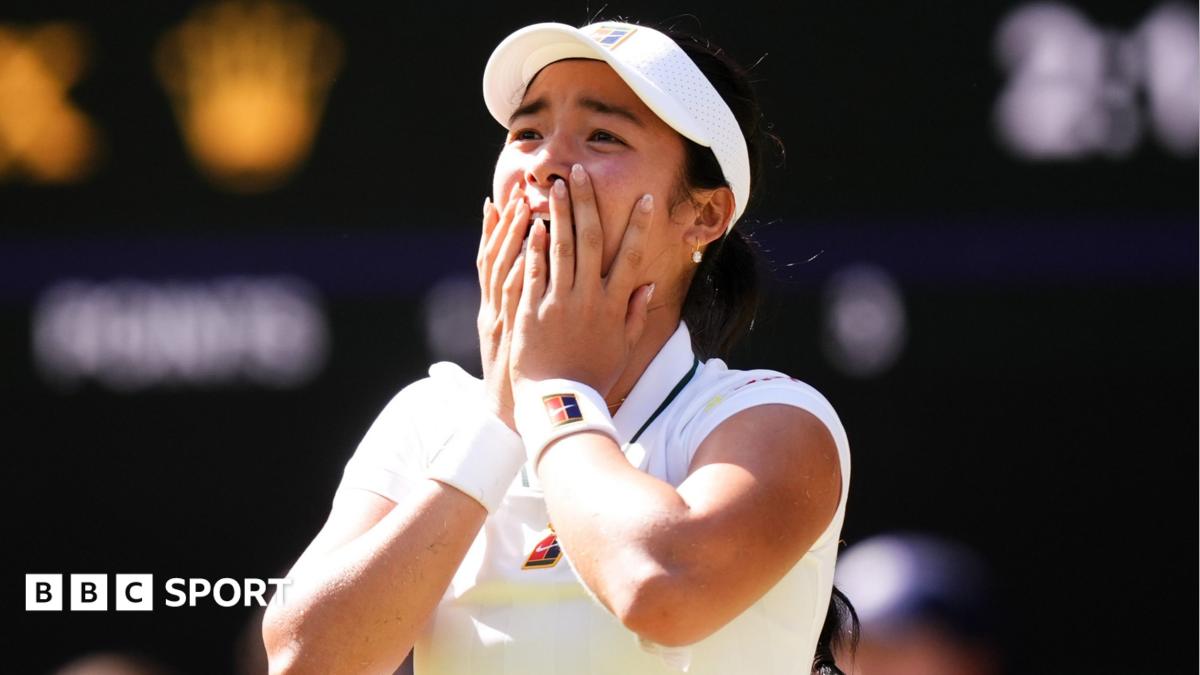
Alexandra Eala’s latest result is the kind of moment that can reshape how a young player is viewed. The BBC’s report on her Eastbourne success, framed around a win described as being for “all the girls with ruffled socks and chubby cheeks,” captures more than a single scoreline: it points to a breakthrough with symbolic weight for a player still building her place on the WTA stage.
What makes the story resonate is the connection to Iga Swiatek. Three years ago, Swiatek presented Eala with her graduation diploma from the Rafael Nadal tennis academy, a detail that gives this result an added layer of narrative significance. In tennis, where development pathways are often long and uneven, those links between academy graduates, established champions and emerging talents help explain why a result like this can feel bigger than one match.
A result with developmental significance
Eala’s progress matters because it reflects the value of the elite training structures that have helped shape the modern women’s game. The Nadal academy has become one of the sport’s most recognisable development environments, and Eala’s rise from that system to a headline-making win suggests a player whose ceiling is still being explored. For supporters, especially those following the next generation closely, this is the sort of performance that turns potential into a more concrete conversation.
There is also a broader competitive context. Wins over top players are often the moments that accelerate belief, ranking momentum and public recognition. Even without over-reading one result, a victory that draws this level of attention can alter the way opponents prepare for Eala and the way fans assess her trajectory. In a sport where confidence is often as important as technique, that matters.
Why this matters beyond one match
The BBC framing also gives the story a cultural edge. The phrase about “girls with ruffled socks and chubby cheeks” speaks to the early stages of a tennis journey, when ambition is still forming and the professional game can feel distant. Eala’s success, then, becomes a reminder that the pathway from junior promise to elite relevance is still open to players from outside the sport’s traditional power centres.
For tennis followers, the takeaway is straightforward: Eala is no longer just a prospect to note in passing. She is producing results that carry meaning, both in competitive terms and in the broader story of the women’s game. If she can build on this moment, the Eastbourne win may be remembered as one of the points where expectation began to catch up with talent.
Source note: This article was prepared using publicly available information from BBC Sport and expanded with editorial context.
Share this content: