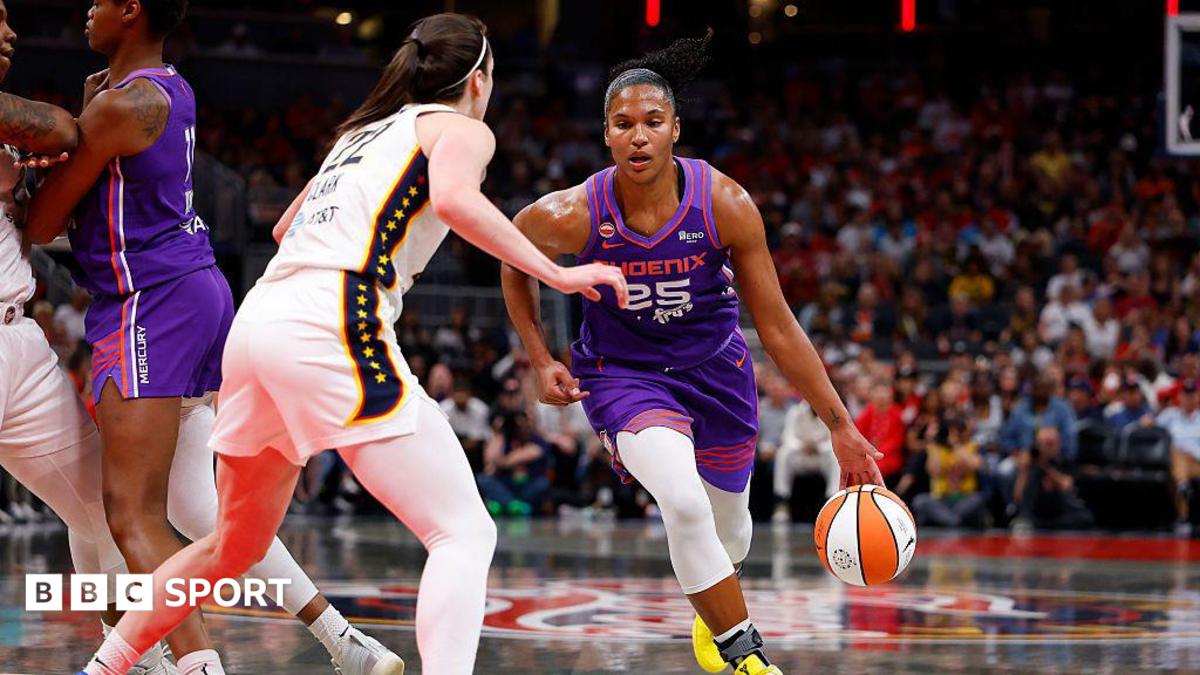
Phoenix Mercury forward Alyssa Thomas has said she has been subjected to death threats and racist abuse in the aftermath of her one-game ban for an incident involving Indiana Fever star Caitlin Clark. The episode has added another layer of tension to a rivalry that already carries major attention because of Clark’s profile and the Mercury’s place among the WNBA’s more physical, experienced teams.
The immediate sporting issue is straightforward: Thomas is due to return to the spotlight when Phoenix and Indiana meet again on 9 July in Phoenix. But the wider context is more troubling. When on-court discipline spills into abuse directed at players, it shifts the conversation away from basketball and into the safety and wellbeing of athletes, particularly in a league that has already had to manage intense public scrutiny around Clark and her opponents.
What the incident means for Phoenix and Indiana
For the Mercury, Thomas remains a central figure. Her value goes beyond scoring; she is one of the league’s most versatile forwards, capable of handling the ball, defending multiple positions and setting the tone physically. Any suspension or off-court distraction around her affects Phoenix’s rhythm, especially in a matchup that is likely to draw significant attention from supporters and media alike.
For Indiana, the situation keeps Clark at the centre of a growing number of high-profile games. The Fever have become one of the league’s biggest talking points, and every meeting with a contender now carries extra emotional weight. That can be a competitive advantage in terms of visibility, but it also increases pressure on players and officials to keep the contest controlled.
Why the abuse matters beyond one game
Thomas’s comments are a reminder that social media backlash can quickly become a serious issue for professional athletes. Death threats and racist abuse are not part of the game’s competitive edge; they are a threat to the sport’s credibility and to the people who play it. The WNBA has spent recent seasons trying to grow its audience while protecting players from the worst excesses of online hostility, and this latest case underlines how fragile that balance can be.
From a football-news editorial perspective, the story also reflects a broader truth familiar across elite sport: when a player becomes the focal point of a controversial incident, the reaction can extend far beyond the court. Supporters may be invested in the rivalry, but the line between passionate debate and abuse is clear. The challenge for the league is to keep the competitive edge while ensuring players are not left to absorb the fallout alone.
With the rematch set for Phoenix on 9 July, the basketball itself should be the focus. Instead, the build-up now includes a serious conversation about player protection, public responsibility and the cost of turning sporting disagreement into personal harassment.
Source note: This article was prepared using publicly available information from BBC Sport and expanded with editorial context.
Share this content: