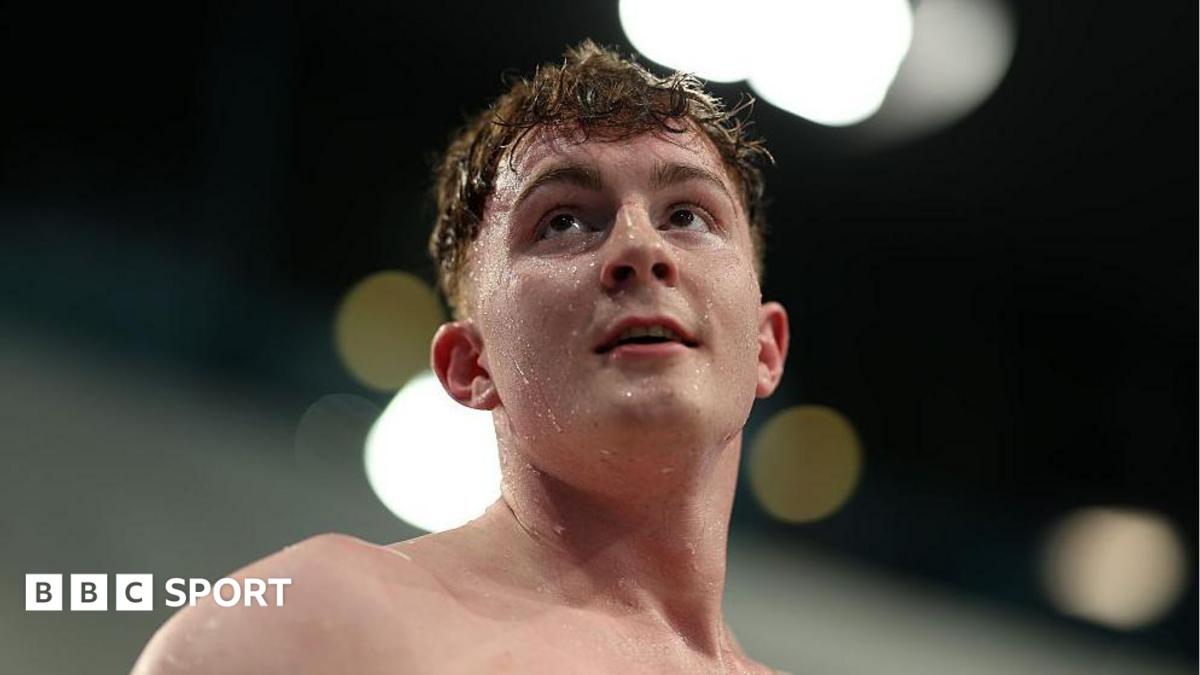
Archie Goodburn’s Glasgow 2026 ambition remains alive, and the swimmer’s latest comments offer a rare mix of sporting hope and personal resilience. With the Commonwealth Games still more than a month away, Goodburn says he can already picture himself walking into the pool to a wall of noise, aiming not only to represent his country but to chase what would be an extraordinary medal in the 50m breaststroke.
The bigger story, though, is the context behind that dream. Goodburn says his battle with terminal brain cancer has taken a positive turn, a development that gives added weight to his determination to keep training, planning and speaking publicly about the condition. For supporters, that makes his Glasgow target about far more than podium ambition. It is also a statement of defiance, identity and the stubborn pull of elite sport even when life has become far more complicated than race times and lane assignments.
A medal target with emotional significance
Goodburn’s focus on the 50m breaststroke matters because sprint events often reward precision, timing and composure as much as raw power. In that sense, the discipline suits a swimmer who is trying to balance physical preparation with the mental demands of an ongoing health battle. Glasgow 2026 would provide a stage where every detail counts, and where a strong swim could carry meaning well beyond the result sheet.
For the home crowd, the prospect of seeing Goodburn in the Commonwealth pool would be one of the more compelling stories of the Games. The atmosphere he describes — entering to a wall of noise — underlines how much the event could mean to both athlete and audience. In a multi-sport event built on national pride, his presence would add a deeply human layer to the competition.
Advocacy beyond the lane ropes
Goodburn’s comments also point to a wider issue around brain cancer care and advocacy. He said that days and hours matter in government and policy settings, and argued that establishing a national brain cancer lead would help streamline the process. That is a significant intervention from an athlete whose voice now extends beyond swimming, placing him in the role of campaigner as well as competitor.
That dual role gives the story broader relevance for readers. Sporting comebacks are often framed in terms of form and fitness, but Goodburn’s situation is different: the stakes are personal, medical and emotional. If he does make it to Glasgow, the result will matter, but the journey itself will already have carried meaning for anyone following his story.
For now, the key takeaway is that Goodburn is still looking forward, not back. His Glasgow dream is intact, his advocacy is growing, and his positive update suggests there is still room for hope in a story that could easily have been defined only by illness.
Source note: This article was prepared using publicly available information from BBC Sport and expanded with editorial context.
Share this content: