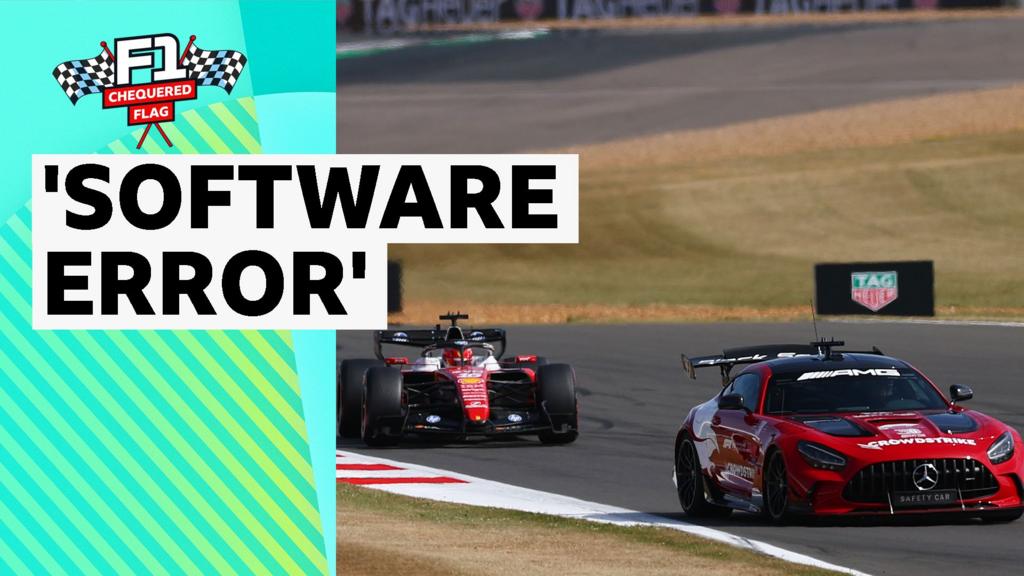
The end of the British Grand Prix was overshadowed by an unusual administrative problem rather than a battle on track, after a software error created confusion over whether there would be one final lap of racing following a late safety car. BBC Sport’s Chequered Flag panel, featuring Rosanna Tenant, Harry Benjamin and former Formula 1 world champion Damon Hill, described the situation as frustrating.
For fans, moments like this matter because they shape the final impression of a race. A late safety car already compresses strategy, timing and pressure into a narrow window, and any technical mistake in the race-control process can quickly turn excitement into uncertainty. In a sport where precision is supposed to define every outcome, even a small software issue can have a big impact on how the finish is understood by viewers and teams alike.
Why the confusion mattered
The key issue was not simply that a software error occurred, but that it affected expectations at the most sensitive point of the race. When the field is neutralised late on, teams, drivers and supporters are all watching for the restart procedure and the possibility of one last competitive lap. If the information being relayed is wrong, the result is not just frustration; it can also create doubt about the clarity and reliability of race management.
That is especially relevant in Formula 1, where the margin between a tactical masterstroke and a missed opportunity can be tiny. Late-race safety cars often decide podium places, points finishes and the tone of a driver’s weekend. Any disruption to that process is likely to be scrutinised closely by supporters, broadcasters and the paddock.
What supporters take from the incident
BBC’s discussion suggests the incident will be remembered less for what happened in the final classification and more for the confusion it caused at the finish. For supporters, that means the British Grand Prix ended with a sense of unfinished business, even if the race itself had already delivered its competitive story.
The broader takeaway is that Formula 1’s sporting drama increasingly depends on the reliability of the systems behind the scenes. As the Chequered Flag podcast highlighted, a software error at the wrong moment can become part of the race narrative just as much as an overtake or a pit-stop gamble. For a championship built on technical excellence, that is a reminder that the machinery of race control matters almost as much as the cars on track.
Listeners can hear the full discussion on BBC Sounds via the Chequered Flag podcast.
Source note: This article was prepared using publicly available information from BBC Sport and expanded with editorial context.
Share this content: