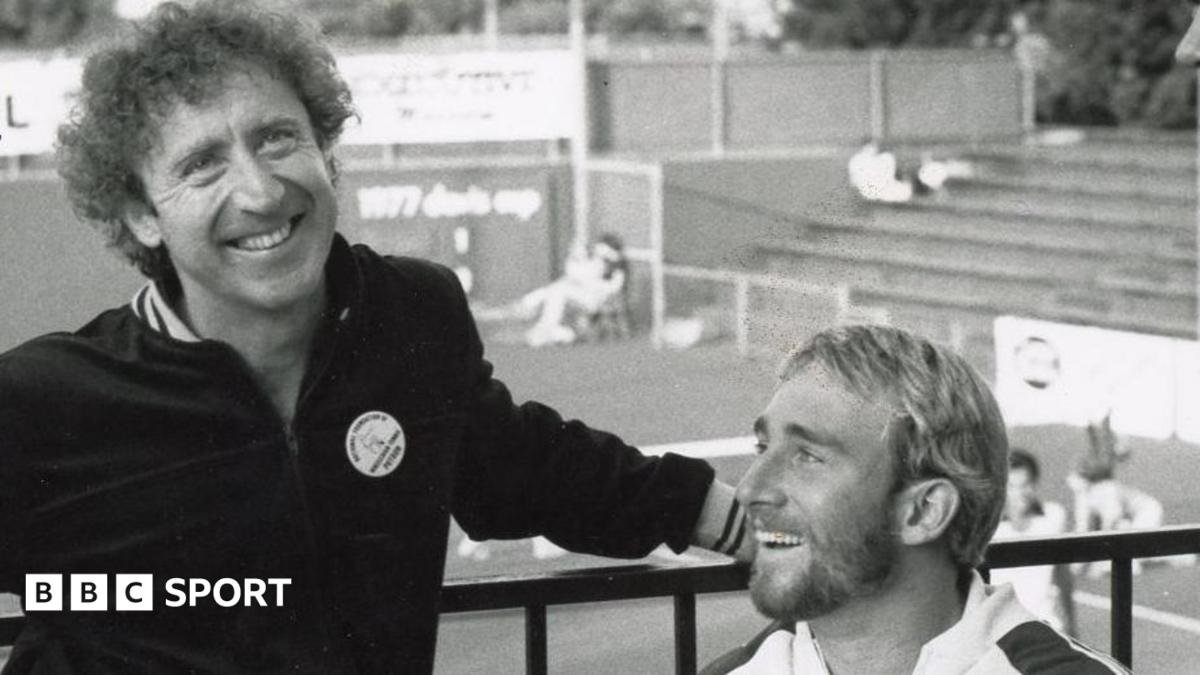
BBC Sport’s feature on Brad Parks revisits one of the most important origin stories in modern tennis: how a simple access problem helped create an entirely new discipline. The article, published on 8 June, centres on Parks, the American widely credited with inventing wheelchair tennis, and uses his story to show how innovation in sport often begins with exclusion, adaptation and persistence.
How a court sign sparked a new idea
The piece opens with a detail that captures the practical challenge Parks faced. A sign at the tennis courts said “no bikes and no skateboards”, prompting the question of where a wheelchair fitted in. That moment is presented not as a throwaway anecdote but as the kind of everyday barrier that can force a breakthrough. Parks’ chair, as the article notes, had front wheels more like a skateboard and rear wheels more like a bike, making the rule feel both absurd and revealing.
From a sporting perspective, that matters because wheelchair tennis did not emerge from a laboratory or a federation plan. It grew from a player trying to find a way into a game that was not built for him. That gives the sport a different kind of legitimacy: not as a modified version of tennis in the abstract, but as a response to real demand from athletes who wanted to compete on equal terms.
Why Parks’ story still matters for tennis
The BBC feature’s value is not only historical. It also underlines how wheelchair tennis has become part of the wider tennis ecosystem rather than a side note. For supporters, especially those who follow the sport’s biggest events, the story is a reminder that the modern game is broader and more inclusive than many of its traditional narratives suggest. The fact that a feature about Parks can sit comfortably within BBC Sport’s tennis coverage says something about how far the sport has come.
There is also a cultural layer to the story. The reference to Parks playing tennis with Willy Wonka gives the piece a playful, human edge, but the underlying message is serious: sporting history is often shaped by people who see possibility where others see restriction. Parks’ legacy is not just that he played tennis in a wheelchair, but that he helped turn that idea into a recognised sport with its own identity.
For readers, the takeaway is clear. This is a story about invention, access and the power of sport to evolve when athletes refuse to accept closed doors. In that sense, Parks’ contribution reaches beyond tennis courts. It speaks to how games change when they are forced to become more inclusive, and why those changes matter to the next generation of players and fans.
Source note: This article was prepared using publicly available information from BBC Sport and expanded with editorial context.
Share this content: