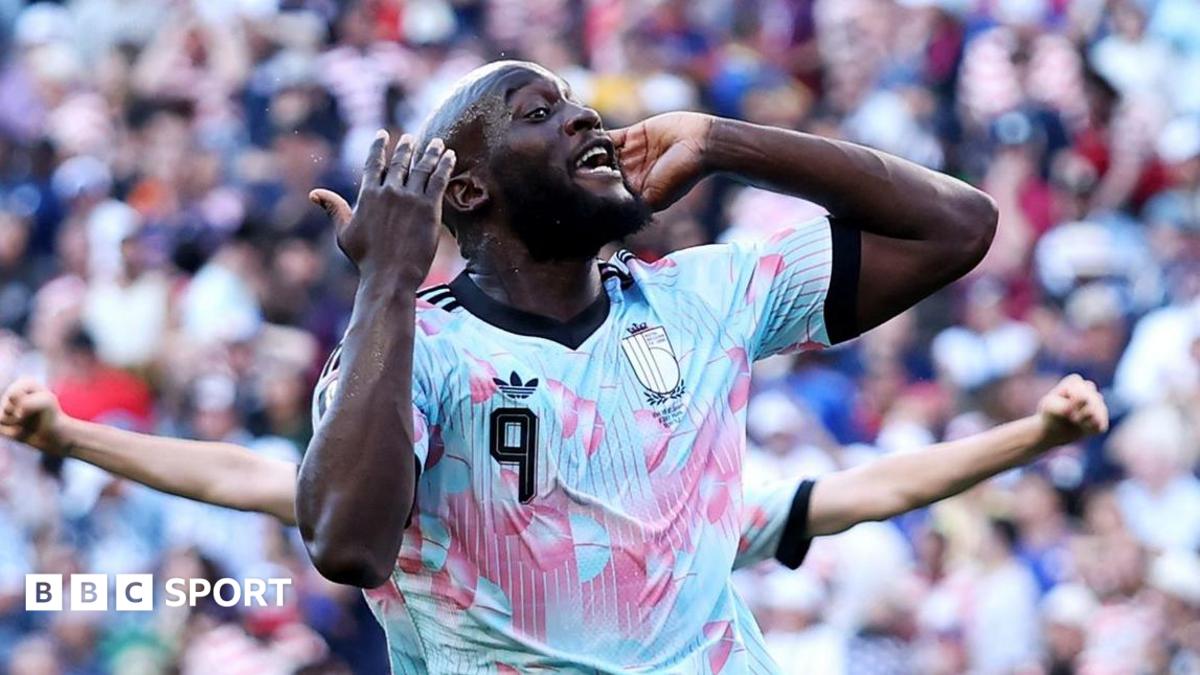
Belgium midfielder Nicolas Raskin has pointed to a late FIFA decision involving United States striker Folarin Balogun as a source of extra motivation for his side before their World Cup last-16 meeting with the Americans. According to Raskin, the timing of the ruling created a feeling of injustice inside the Belgium camp, and that emotion helped sharpen the team’s focus ahead of a high-stakes knockout match.
The episode matters because knockout football is often shaped by small margins and emotional edges as much as tactical detail. When a squad believes it has been wronged, even in a procedural sense, that feeling can become part of the competitive narrative. For Belgium, the issue was not just about one player’s availability, but about the broader sense that the balance of the tie had shifted at a sensitive moment.
Why the ruling mattered before the last-16 tie
Balogun’s one-match ban was suspended by FIFA shortly before the match, and that timing was enough to leave Belgium irritated. Raskin’s comments suggest the decision was viewed internally as something that could affect preparation, psychology and the tone of the contest. In tournament football, where teams have limited time to reset between matches, any late administrative change can become a talking point that lingers in the dressing room.
For supporters, this kind of storyline adds another layer to a World Cup knockout fixture. It is not only about the football on the pitch, but also about the tension around selection, discipline and the perception of fairness. Belgium’s reaction shows how quickly a single ruling can become part of a team’s motivation, especially when the stakes are as high as a place in the quarter-finals.
What it means for Belgium and the United States
From a footballing perspective, the story underlines how tournament matches are rarely isolated events. Teams carry emotional baggage into them, and that can influence intensity, pressing, duels and decision-making. Belgium’s response to the Balogun situation suggests they were looking for every possible edge, while the United States benefited from having a key attacking player available for a decisive game.
For Belgium, the challenge was to turn frustration into performance rather than distraction. For the United States, the focus was on using Balogun’s presence to make the most of a crucial knockout opportunity. In that sense, the FIFA ruling became more than an administrative footnote: it became part of the competitive backdrop to one of the tournament’s defining fixtures.
As Raskin’s comments show, the emotional temperature around a World Cup tie can be influenced by events far from the pitch. That is often where the real drama begins.
Source: BBC Sport
Source note: This article was prepared using publicly available information from BBC Sport and expanded with editorial context.
Share this content: