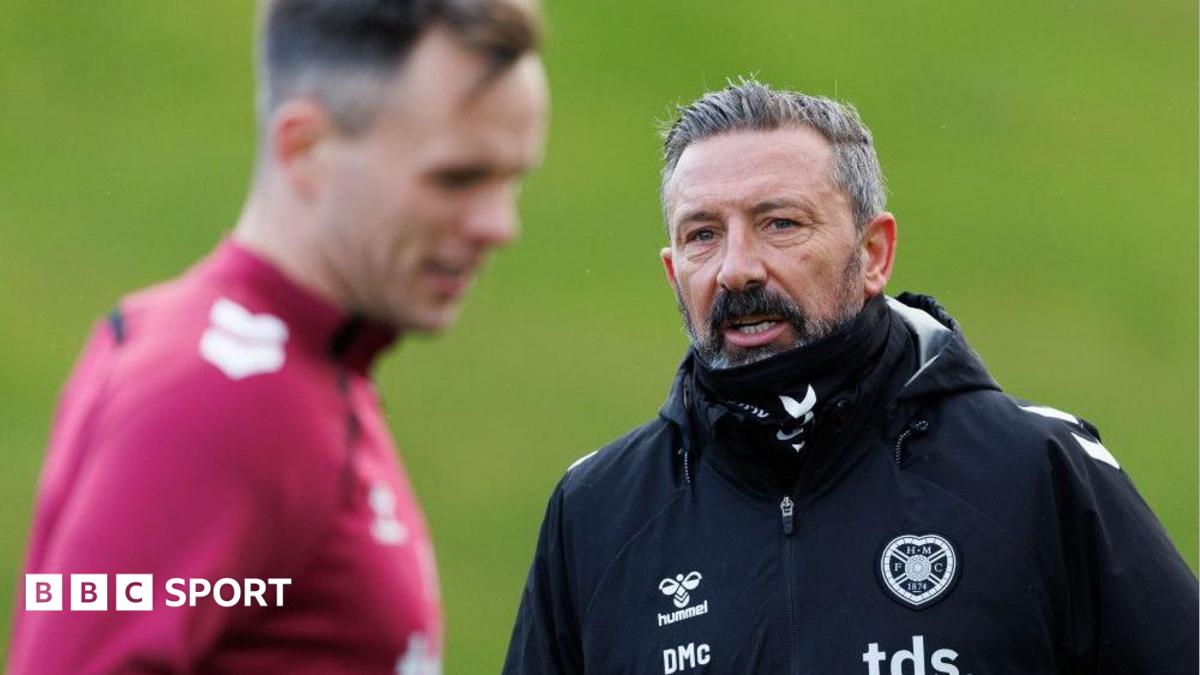
Hearts have spent much of the season looking like a club on the rise, but the mood around Tynecastle has shifted sharply after a brutal end to the campaign. The BBC’s framing of the story captures the central tension: is this a crisis that exposes deeper problems, or a chance to reset and build something more sustainable?
The immediate backdrop is clear. After nine months of largely continuous joy for supporters, Hearts endured a painful final month and missed out on their first league title in 66 years in the closing minutes of the final day. For a club that had been leading the Scottish Premiership for long stretches, the emotional swing is significant. Title races are often judged not only by points but by how a team responds when pressure peaks, and Hearts’ finish will inevitably invite scrutiny of both mentality and game management.
What the collapse means for Hearts
When a team spends so long at the top, expectations change quickly. Supporters begin to think in terms of silverware, recruitment becomes more ambitious, and every setback is magnified. That is why the latest managerial development matters beyond the headline itself. A change at the top can either stabilise a club after disappointment or deepen uncertainty if the underlying football structure is not clear.
For Hearts, the key question is whether the club can turn a painful near-miss into a platform. A title challenge does not happen by accident, and the fact that they were in contention for so long suggests there is a competitive core to work with. But sustaining that level is often harder than reaching it. The next phase will depend on whether the club can protect the strengths that carried them through most of the season while addressing the issues that surfaced when the pressure was highest.
Supporters will want clarity, not slogans
For fans, the frustration is obvious. Coming so close to a first league title in 66 years only to fall short at the end is the kind of experience that lingers. It can create doubt about whether the club is genuinely ready to compete at the top over a full season, or whether this was a one-off surge that proved difficult to sustain.
That is where the managerial situation becomes so important. Hearts now need a clear football plan, not just a reaction to disappointment. Whether the club views this as a crisis or an opportunity to reinvent itself will shape the tone of the summer and the expectations for next season. The challenge is to keep the ambition that made this campaign exciting while ensuring the next step is built on more than emotion.
For a support base that has just lived through both hope and heartbreak, the demand will be simple: show that this season was the beginning of something, not the peak.
Source note: This article was prepared using publicly available information from BBC Sport and expanded with editorial context.
Share this content: