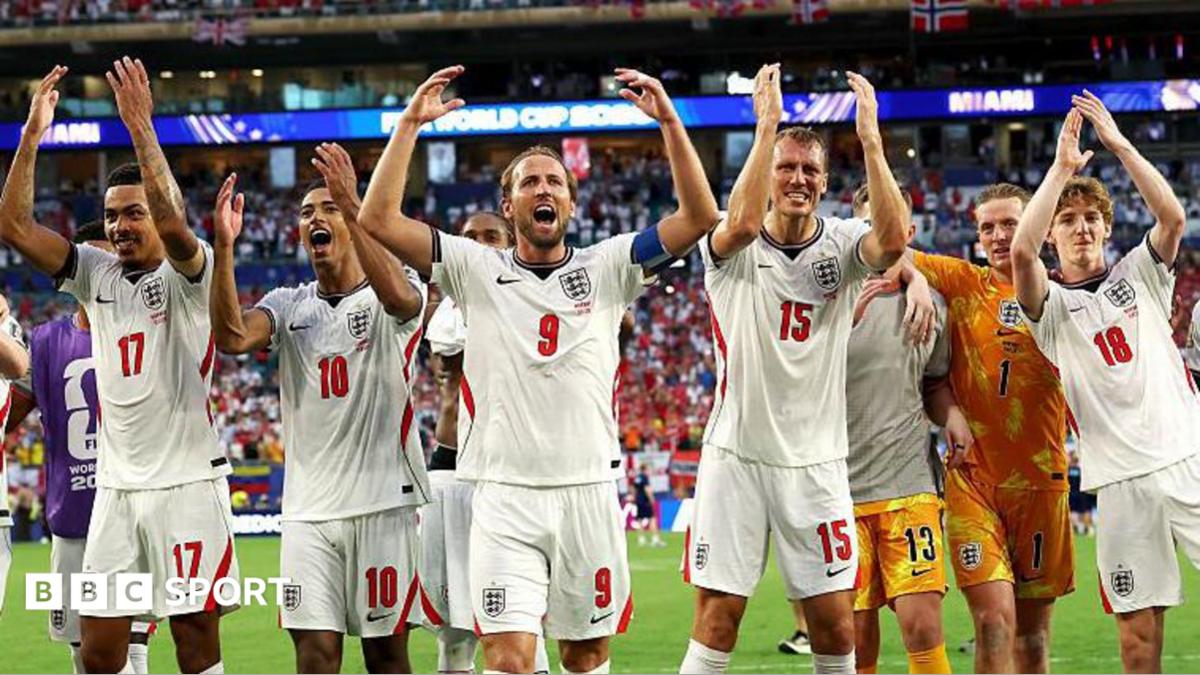
England’s meeting with Argentina in the World Cup semi-final carries the kind of weight that only comes around once in a generation. BBC Sport describes it as the Three Lions’ biggest match since the 1966 final at Wembley, and that framing is hard to dispute. For England supporters, this is not just another knockout tie; it is a chance to move within one game of the sport’s ultimate prize and to reshape the national conversation around the men’s team.
The significance of the occasion goes beyond the result itself. England have spent decades chasing a repeat of the glory achieved in 1966, and every deep tournament run has been measured against that benchmark. A semi-final against Argentina adds another layer of tension and meaning, because the opponent brings its own history, intensity and expectation. In matches like this, the margins are usually decided by discipline, composure and the ability to handle pressure when the game becomes emotionally charged.
Why this semi-final matters so much
For England, the prize is obvious: a place in the World Cup final and a genuine chance to turn long-held ambition into something tangible. That is why BBC Sport’s language about “immortality” resonates. Reaching the final would not complete the job, but it would place this squad among the most significant in English football history. For supporters, it would also validate years of belief that this group could finally go further than previous generations.
From a football perspective, semi-finals of this scale are often shaped by small tactical details. Teams tend to become more cautious, transitions become more important, and set pieces can take on outsized value. England’s challenge is to stay balanced: brave enough to impose themselves, but controlled enough not to be pulled into a chaotic contest where one mistake can decide everything. Against a side like Argentina, that balance is essential.
What it means for supporters
For England fans, the emotional stakes are enormous. This is the sort of match that can define a summer and linger for years afterward. Victory would create a direct line from the 1966 triumph to a new modern-era landmark, while defeat would leave the familiar sense of what might have been. That is the reality of tournament football at this stage: history is close enough to touch, but still difficult to secure.
BBC Sport’s description captures the mood around the fixture. England are not merely playing for a place in the final; they are playing for legacy, belief and the chance to write a new chapter in the country’s football story. In that sense, the semi-final is bigger than the 90 minutes itself. It is about whether this team can take the step that generations before them could not.
Source note: This article was prepared using publicly available information from BBC Sport and expanded with editorial context.
Share this content: