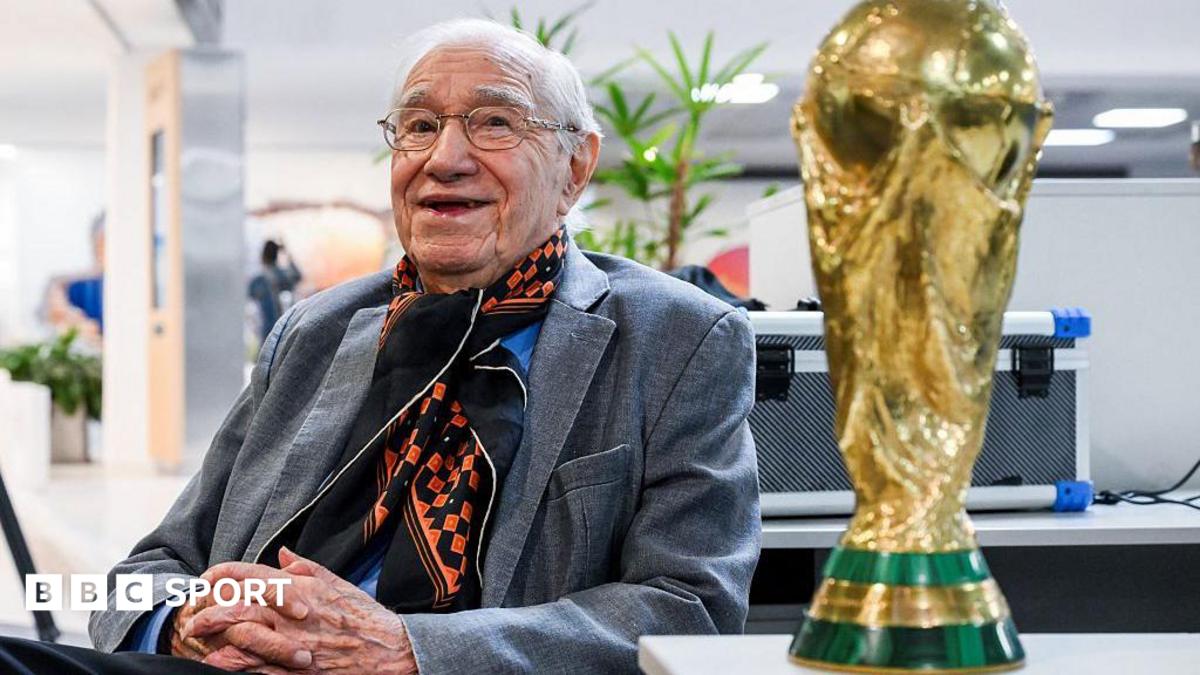
At a World Cup dominated by players, managers and results, Enrique Macaya Marquez stands out for a different reason: longevity. The 91-year-old Argentine journalist is once again part of football’s biggest event, and BBC Sport’s profile underlines just how remarkable his presence is. This is his 18th World Cup, a number that speaks not only to endurance but to a career built around following the game across generations.
For supporters, stories like this add a human layer to the tournament. The World Cup is often framed through goals, tactics and knockout drama, but it is also a gathering of memory and continuity. A journalist who has seen 18 editions of the competition becomes a living archive of football history, linking modern tournaments to eras many fans know only through footage and stories.
A familiar face at football’s biggest stage
The BBC’s report highlights that Macaya Marquez is a figure many people want to photograph. That detail matters because it shows how rare his profile is in the modern media landscape. In an age of rapid content, short attention spans and constant turnover, a veteran reporter with that kind of recognition is unusual. His presence suggests authority earned over decades rather than through celebrity or social media reach.
There is also a wider significance for Argentina, a country where football journalism carries real cultural weight. Reporting on the national team and the World Cup is not just a job; it is part of the sporting conversation that shapes how supporters experience the tournament. A journalist with Macaya Marquez’s background represents continuity between generations of fans, players and media.
Why this matters beyond nostalgia
While the source does not provide a full career timeline, the key fact is enough to explain why this story resonates. Covering 18 World Cups is extraordinary in any profession, and especially in football journalism, where access, travel and the pace of the event make long careers difficult to sustain. His return to the tournament is a reminder that the World Cup is not only about the next big star, but also about the people who have documented the sport’s evolution for decades.
For readers, the appeal is partly nostalgic and partly practical. Stories like this help frame the tournament as more than a sequence of matches. They remind supporters that football history is carried not just by trophies and scorelines, but by the voices and observers who have followed the game through its changing eras.
BBC Sport’s brief profile does not attempt to overstate the point, and that restraint is part of its value. The facts are simple, but the implication is powerful: Enrique Macaya Marquez remains a rare constant in a tournament defined by change.
Source note: This article was prepared using publicly available information from BBC Sport and expanded with editorial context.
Share this content: