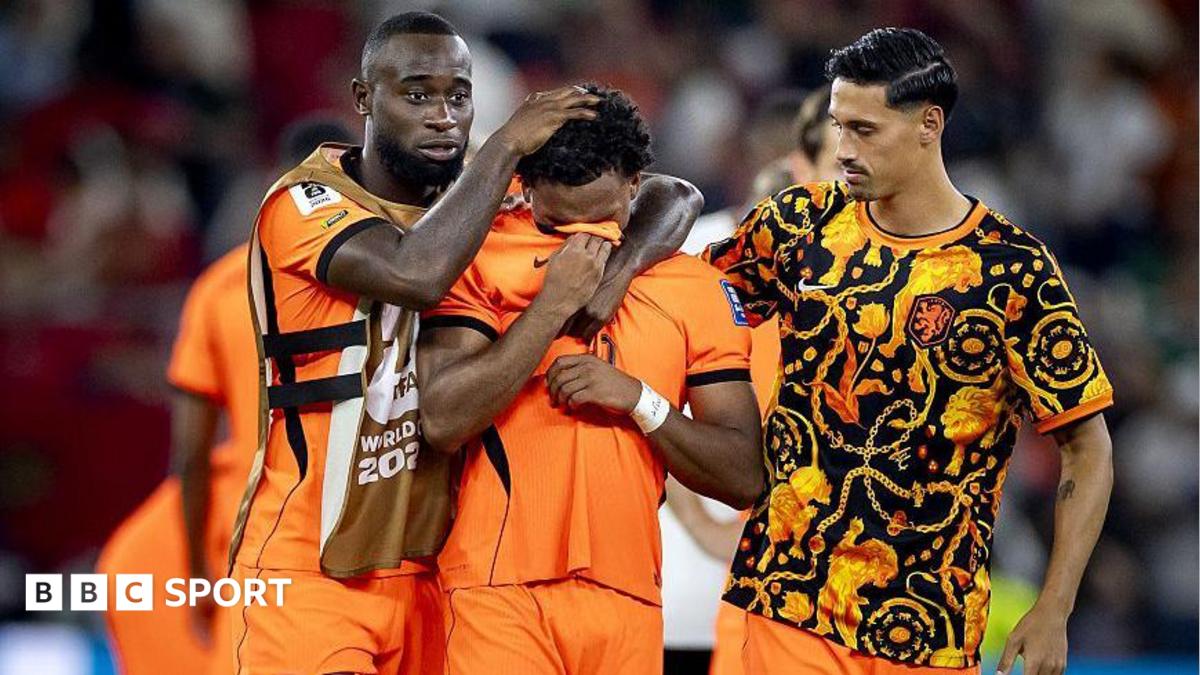
Fifa has raised a fresh alarm over the scale of racist abuse directed online during the World Cup, with its social media protection service reporting a significant increase in the most serious cases. The finding matters beyond the immediate tournament because it underlines how digital abuse has become part of the modern football landscape, following players, coaches and officials far beyond the stadium.
What the Fifa report means
The key detail is not simply that abuse exists, but that the most severe examples are rising. That suggests moderation systems are still struggling to keep pace with the volume and intensity of harmful content aimed at football figures during major events. For players, especially those from minority backgrounds, the message is troubling: the visibility that comes with a World Cup can also bring a sharper risk of targeted abuse.
For Fifa, the report adds pressure to prove that its safeguarding measures are more than symbolic. Social media platforms have long promised stronger enforcement, but tournament periods often expose the gap between policy and reality. If the most serious racist content is increasing, then the conversation shifts from general online toxicity to whether current reporting, filtering and account sanctions are actually deterring offenders.
Why this matters for supporters and the game
Supporters will recognise that this is no longer a fringe issue. Online abuse can affect squad morale, public discourse and the wider image of the competition. It also risks overshadowing the football itself, especially when major tournaments are supposed to showcase the sport at its best. The fact that Fifa is highlighting the trend suggests the governing body sees the problem as persistent rather than isolated.
There is also a broader football implication. As the game becomes more global and more dependent on social media engagement, the responsibility to protect players online grows with it. Clubs, national teams and governing bodies all have a stake in making sure that digital spaces do not become a free pass for racist harassment. The World Cup, as the sport’s biggest stage, is once again being used as a test case for whether football can police its own online environment effectively.
For now, the report serves as a reminder that the fight against racism in football is not confined to terraces or touchlines. It continues on phones, timelines and comment threads, where abuse can spread quickly and at scale. Fifa’s warning will likely intensify calls for tougher moderation and more visible accountability from the platforms hosting the content.
Source note: This article was prepared using publicly available information from BBC Sport and expanded with editorial context.
Share this content: