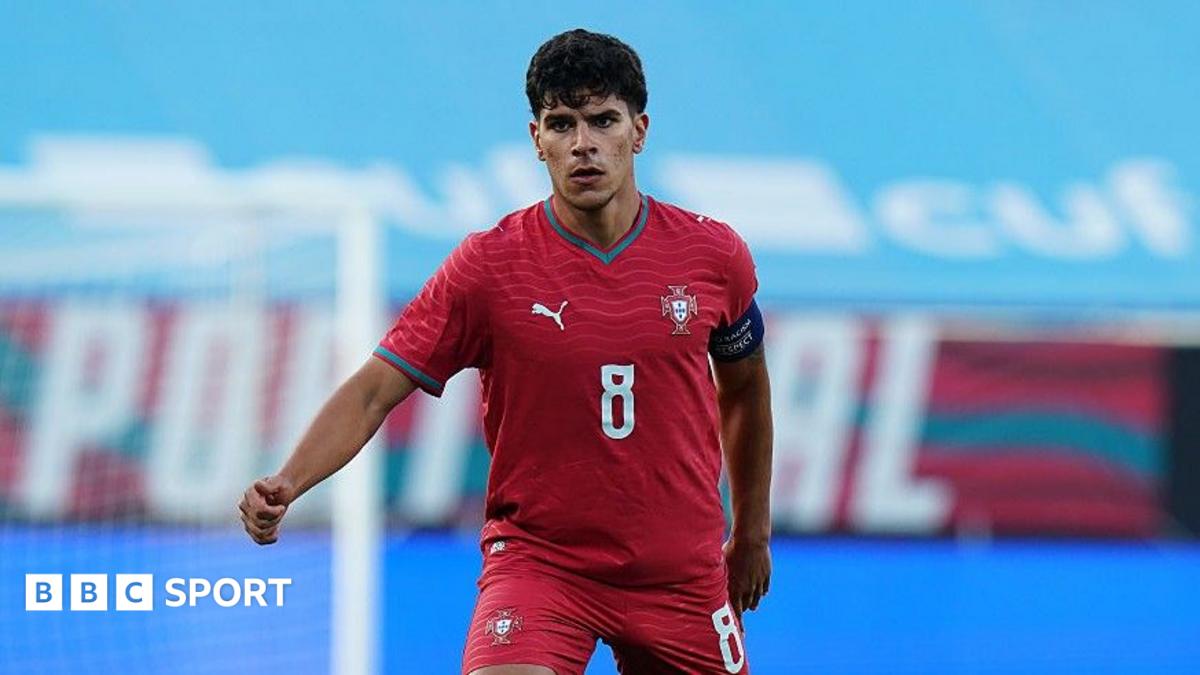
Manchester United’s summer window is already under scrutiny after the club missed out on a midfield target for the second time in a week. That alone is enough to sharpen supporter frustration, because it suggests a familiar pattern: United identifying a need, only to see another club move faster and more decisively.
The latest setback is especially awkward because it comes at a time when the club should be trying to build momentum in the market. Instead, the headline is about absence — no signings, no sales, and another target slipping away. For a club of United’s size, that creates the impression of a transfer operation that is still searching for direction.
What the latest miss says about United’s market position
According to the BBC source, Manchester City agreed a club-record £116m deal with Nottingham Forest on 25 June for Elliot Anderson, who had been United’s first-choice midfield target. Whether the fee itself becomes the main talking point or not, the broader issue is clear: a rival has been able to act with conviction on a player United wanted.
That matters because midfield recruitment is rarely just about adding depth. It is usually about control, tempo and balance — the areas that define whether a team can dominate matches or spend long spells reacting to them. If United are already losing out on their preferred options, the concern for supporters is not only who they miss, but what that says about the club’s ability to shape the squad they need.
Why the silence matters as much as the missed deal
The BBC framing of “no signings, no sales” is important because it points to a wider standstill. Transfer windows are not judged only by the players brought in, but by whether a club can create movement early enough to set the tone for the rest of the summer. Right now, United appear to be doing neither.
For supporters, that can feel like a warning sign. A slow start does not automatically mean a bad window, but it does increase the pressure on every later decision. If the club eventually lands its targets, the early frustration may fade. If it does not, these missed opportunities will be remembered as the moments when the market began to drift away from them.
There is still time for United to respond, but the current picture is not encouraging. Rivals are already making decisive moves, and the longer United remain without signings or sales, the more the conversation shifts from squad building to squad uncertainty.
For now, the question is less about one player and more about the club’s overall transfer strategy. The source leaves United with a simple but uncomfortable reality: they are being forced to watch others set the pace.
Source note: This article was prepared using publicly available information from BBC Sport and expanded with editorial context.
Share this content: