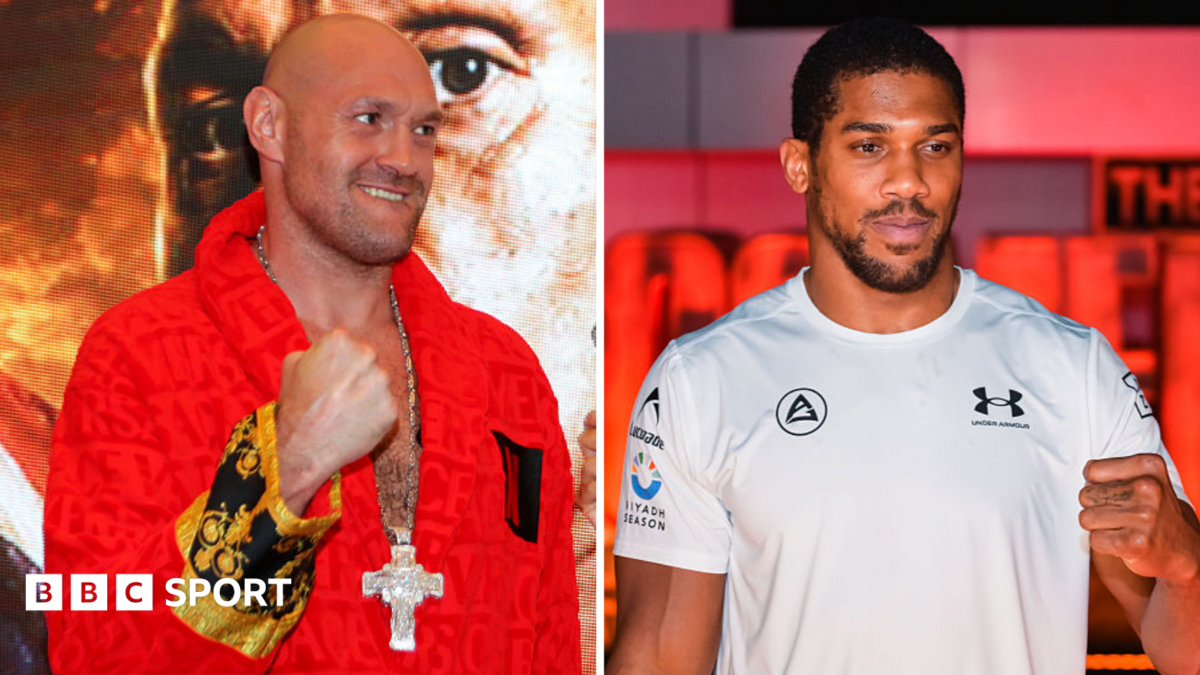
Tyson Fury versus Anthony Joshua has been one of British sport’s most persistent what-ifs, and the BBC’s report makes clear that the latest attempt to stage it has reached a decisive moment. After years of posturing, stalled talks and shifting power dynamics behind the scenes, the heavyweight showdown is now described as hanging on a final two-day stretch.
That matters because this is not just another fight negotiation. It is the kind of event that would command attention far beyond boxing’s core audience, with the commercial and sporting stakes amplified by the long wait. When a matchup has been discussed for more than a decade, every fresh deadline carries extra weight. Fans are no longer asking whether the fight is attractive; they are asking whether the sport can finally deliver the bout it has spent years promising.
A heavyweight rivalry shaped by delays
The BBC’s framing points to the central problem that has followed Fury and Joshua for years: the fight has repeatedly been trapped by the business of boxing. Promoters, managers and broadcasters have all played a role in the delays, and that history helps explain why supporters have become cautious about reading too much into any single round of talks. In boxing, the biggest fights often depend on multiple parties agreeing at once, and that makes even the most obvious matchups vulnerable to collapse.
For Fury and Joshua, the delay has also altered the sporting conversation around both men. Every time the bout has slipped away, the pressure has increased on the next negotiation to succeed. That creates a strange dynamic: the longer the fight remains unmade, the more it becomes a test of credibility for the sport itself. British boxing has built the contest up as a generational event, and the latest deadline suggests the industry is once again trying to turn expectation into reality.
What it means for supporters
For supporters, the immediate implication is simple: the next 48 hours could decide whether the long-running saga finally ends with an announcement or another round of frustration. If the deal is completed, it would instantly become one of the most significant nights in modern British boxing. If it falls apart again, the sense of missed opportunity will only deepen.
That is why the BBC’s report lands with such force. It does not claim the fight is done, only that the process has reached a critical stage. In a story defined by false dawns, that distinction matters. The only certainty is that Fury-AJ remains the defining heavyweight negotiation in British boxing, and the next two days may determine whether it finally becomes a fight rather than a headline.
Source note: This article was prepared using publicly available information from BBC Sport and expanded with editorial context.
Share this content: