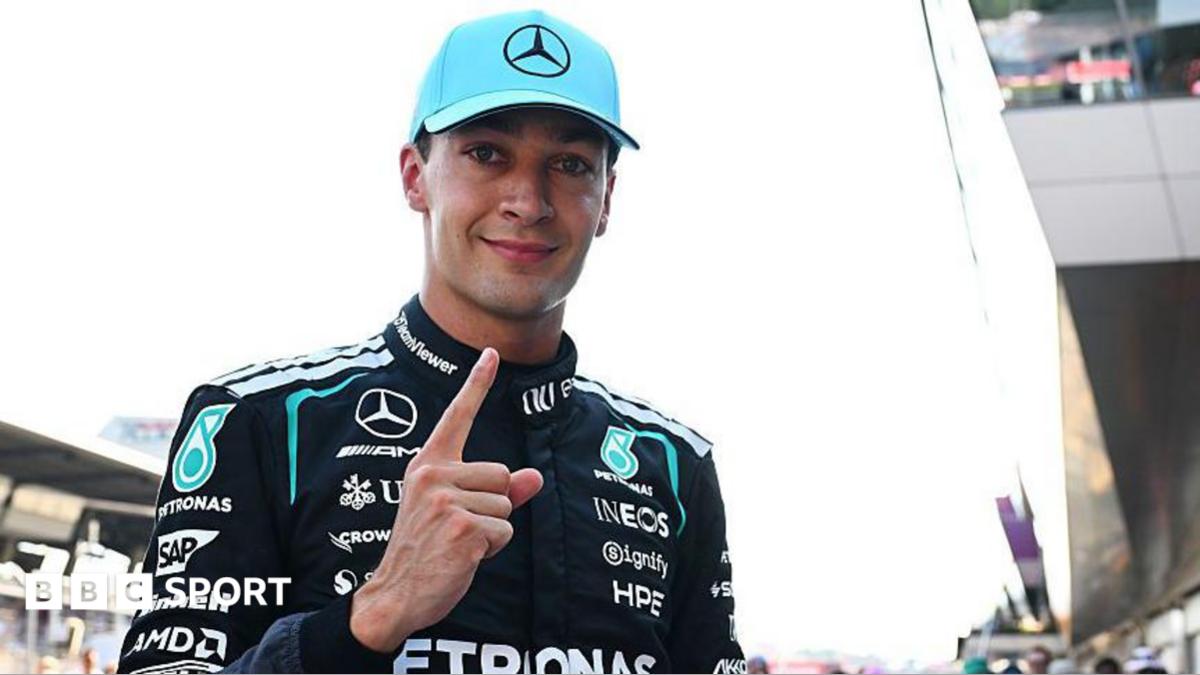
George Russell emerged with pole position for the Austrian Grand Prix after a dramatic and controversial qualifying session that ended with Ferrari’s Charles Leclerc narrowly missing out. According to the BBC source, Russell secured the top spot with the final lap of the session, while the decisive moment was shaped by a crash involving Max Verstappen.
The result matters well beyond the headline of a single qualifying session. In Formula 1, pole position at a circuit like Austria can be a major strategic advantage, especially when track position is often more valuable than raw pace over a full race distance. For Mercedes, this is the kind of result that can reset the tone of a weekend and give the team a genuine platform to fight at the front.
How the session turned on its head
Leclerc had been in contention for pole before Russell’s late effort changed the order at the sharp end. The BBC report describes the outcome as controversial, which suggests the final classification was influenced by the timing and consequences of Verstappen’s crash. In modern qualifying, any interruption can reshape the competitive picture immediately, affecting tyre preparation, lap timing and the ability of drivers to complete their best runs under ideal conditions.
That is why pole positions decided in the closing moments often carry extra weight. They are not just about speed; they are also about timing, composure and the ability to deliver when the session is at its most fragile. Russell’s lap appears to have come at exactly the right moment for Mercedes, while Leclerc was left to reflect on how close Ferrari came to the front of the grid.
What it means for Mercedes, Ferrari and Verstappen
For Mercedes supporters, pole is a welcome sign that the team can still produce a decisive qualifying performance when the opportunity arises. For Ferrari, Leclerc’s near miss will feel frustrating, particularly because front-row starts can be crucial in a race where overtaking may be difficult. And for Verstappen, the crash adds another layer of tension to a weekend that was already heading toward a high-pressure conclusion.
The BBC also noted that the Austrian Grand Prix had already been declared a heat-hazard race amid a heatwave, underlining how demanding the weekend is for drivers and teams. That context matters because extreme conditions can amplify the physical and strategic challenge of both qualifying and the race itself. A pole sitter may gain the clean air advantage, but the race can still become a test of tyre management, concentration and endurance.
Russell’s pole therefore gives Mercedes a meaningful opening, but it does not settle anything. The race will still decide whether the team can convert a strong qualifying result into a bigger points haul. For now, though, the story belongs to Russell, whose final lap was enough to deny Leclerc and leave the Austrian Grand Prix grid with a controversial front-row narrative before the race even begins.
Source note: This article was prepared using publicly available information from BBC Sport and expanded with editorial context.
Share this content: